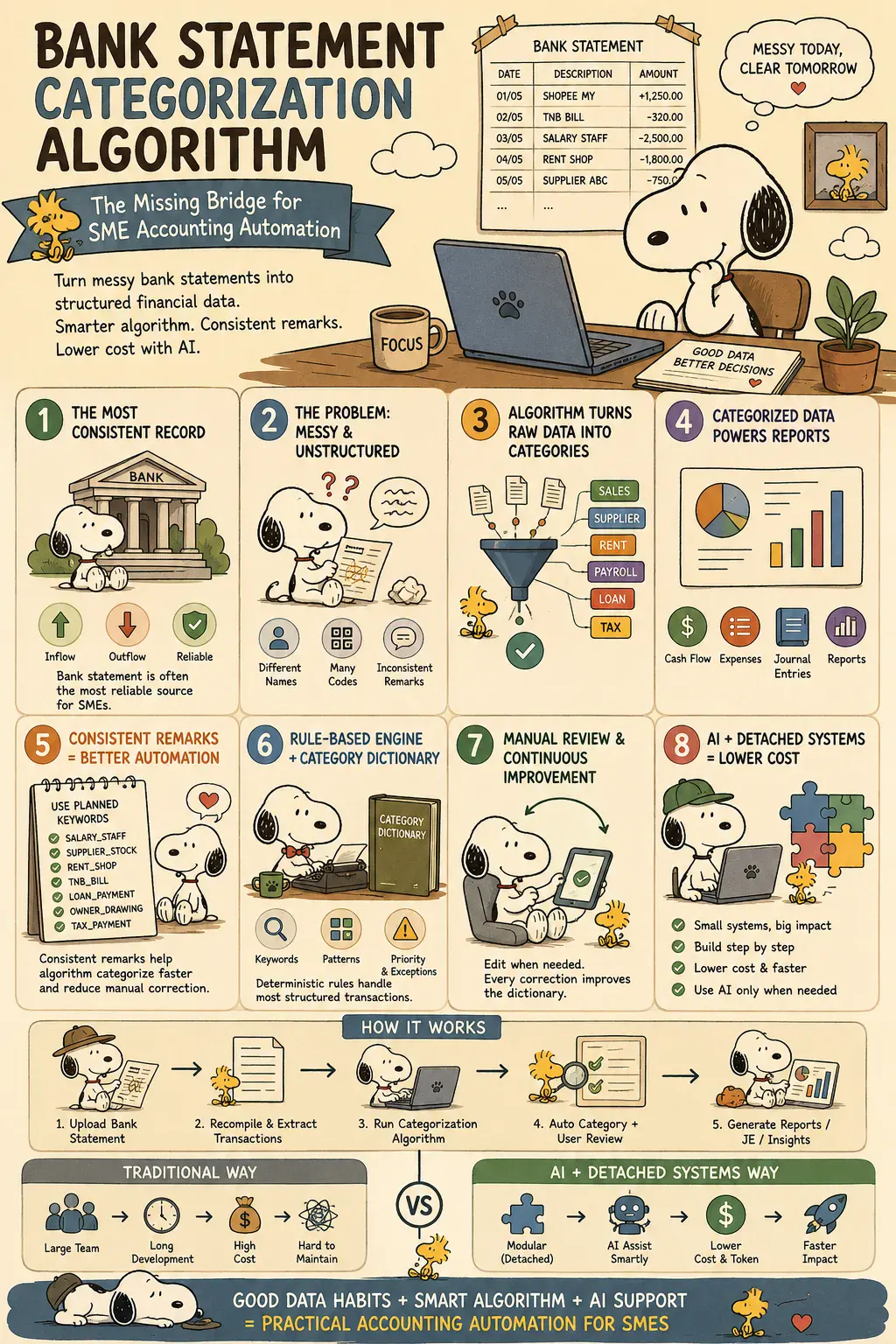
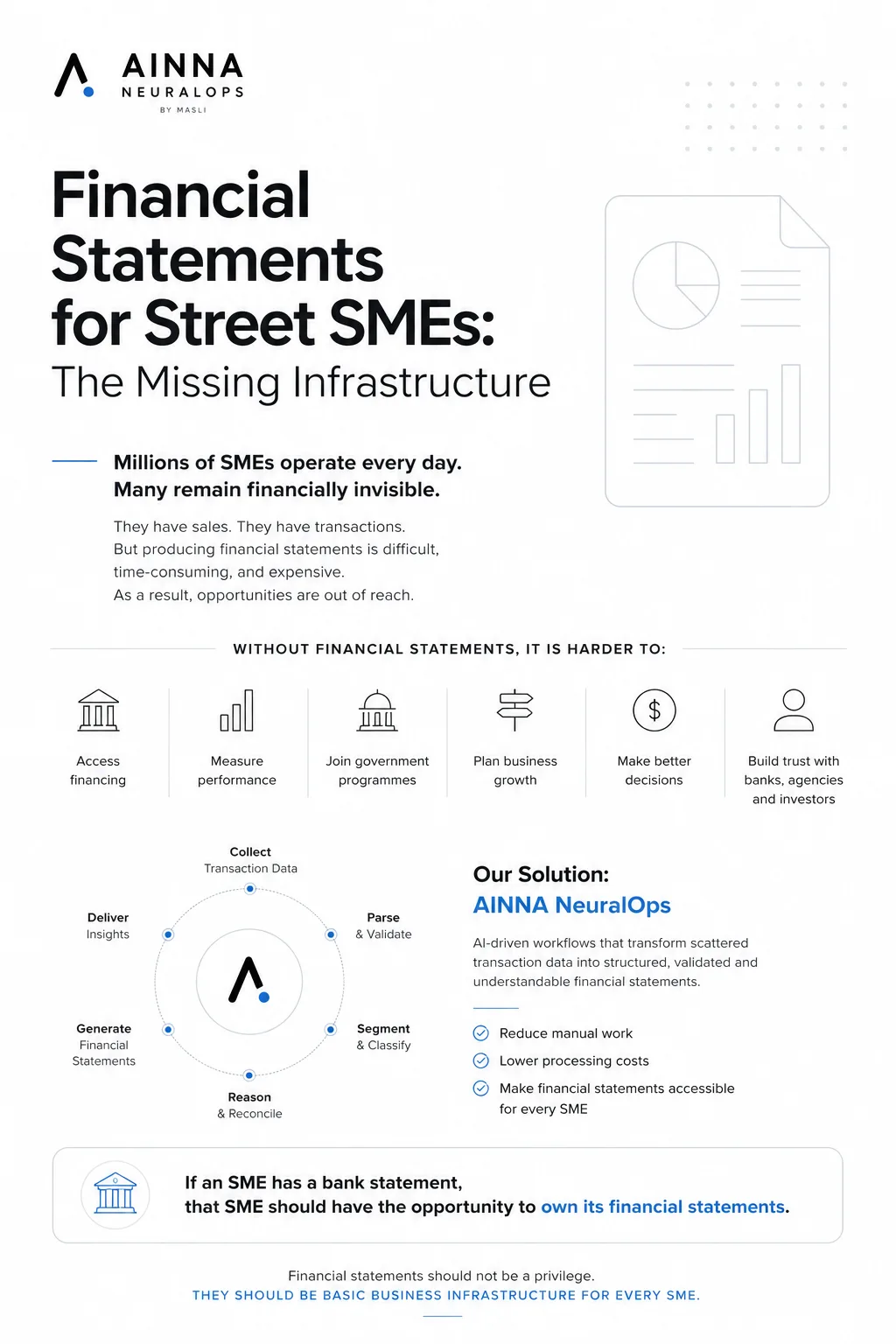
For many 中小企业, the bank statement is still the most consistent financial record they have. 销售 records may be incomplete, invoices may be missing, and accounting software may not always be updated properly. But every cash inflow and outflow still appears in the bank account.
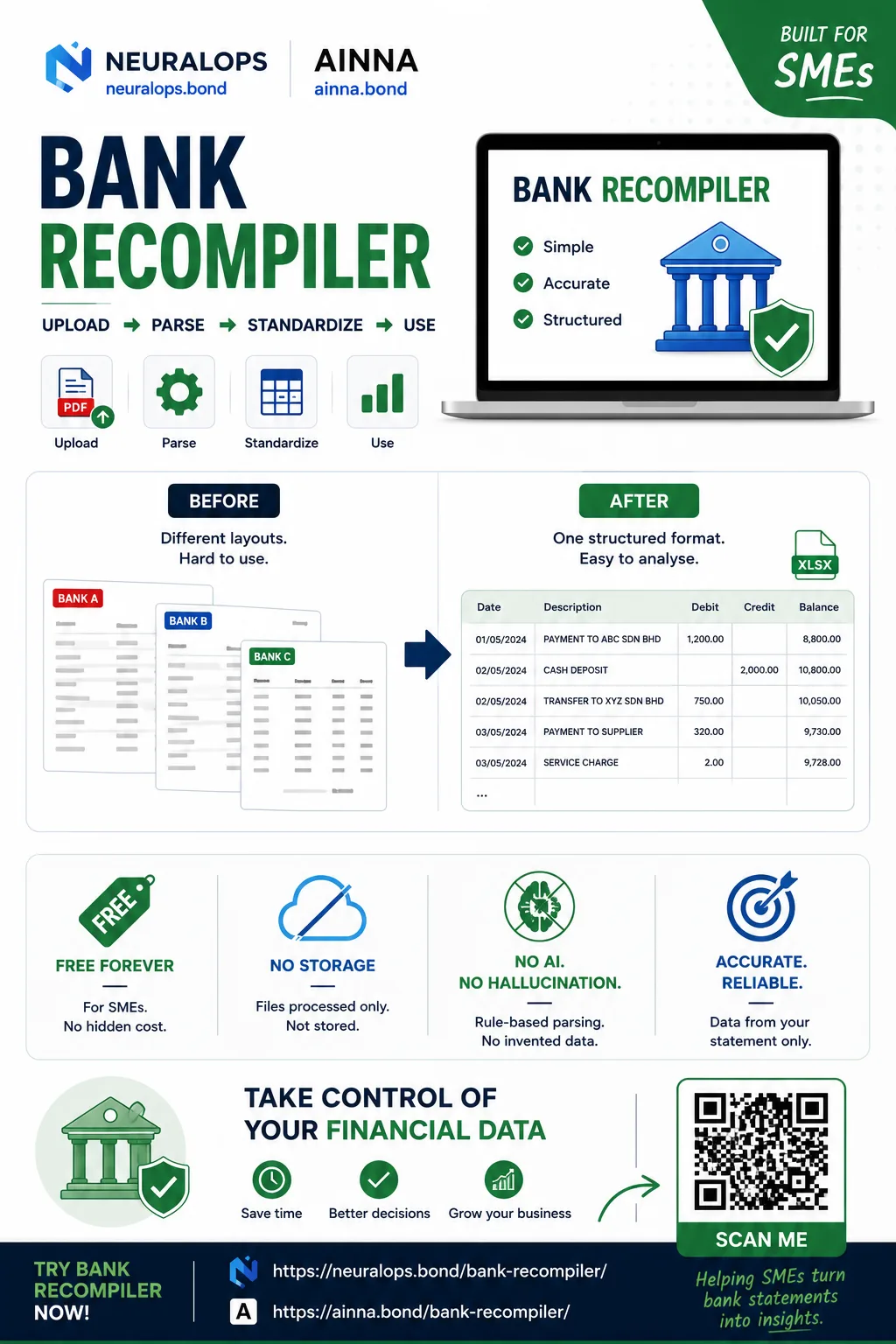
That is why bank statement automation is a practical starting point for 中小企业 accounting. 问题 is that bank statements are messy. Transaction descriptions contain merchant names, reference numbers, payment gateways, QR payments, banking codes, transfers, and inconsistent remarks.
This is where a 银行 Statement Categorization Algorithm becomes important. The algorithm classifies each transaction into categories such as sales, supplier payments, rent, payroll, utilities, loan repayment, tax payment, owner drawing, marketplace settlement, refund, and bank charges.
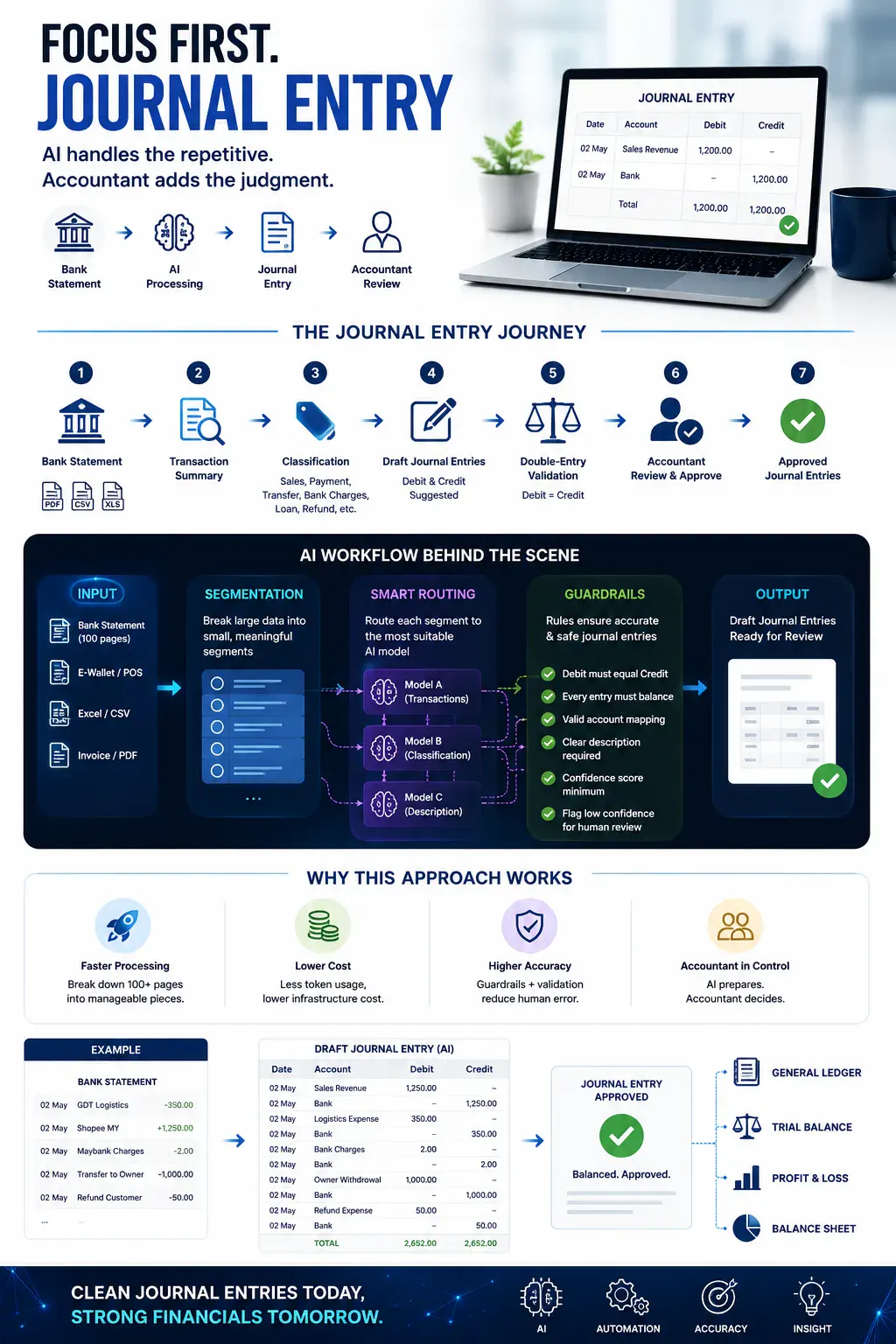
Once categorized, the same data can be used to generate cash summaries, expense reports, draft journal entries, and basic financial reports. A bank statement should no longer remain just a monthly PDF. It should become structured financial data.
But automation is not magic. 中小企业 also need to help the 系统 by using consistent transaction remarks. Instead of writing random remarks like “payment”, “transfer”, or “settle”, businesses should use planned keywords such as SALARY_STAFF, SUPPLIER_STOCK, RENT_SHOP, TNB_BILL, LOAN_PAYMENT, OWNER_DRAWING, and TAX_PAYMENT.
This small habit can make a big difference. 时间 transaction remarks are consistent, the algorithm can categorize faster, reduce manual correction, and produce cleaner reports. 良好 automation starts with good transaction behavior.
The best approach is not to depend fully on AI for everything. Use a deterministic rule-based engine with a 类别 Dictionary. Let the algorithm handle structured and repetitive transactions, while AI assists only when the transaction is unclear or ambiguous.
AI has also reduced the cost of building these detached 系统. Instead of developing one huge and expensive accounting platform, 中小企业 can build smaller modules step by step: one 系统 to read bank statements, one to categorize transactions, one to generate summaries, and one to prepare draft journal entries. That is the real bridge between messy 中小企业 records and practical accounting automation.














Ruang pembaca
Apa pendapat anda?
Komen baharu dihantar untuk semakan terlebih dahulu. 名称 dan email diperlukan, tetapi email tidak dipaparkan kepada pembaca.
如果有更多once categorized的数据和结果会更完整。
我会把reduce manual correction, and produce这一段分享给需要了解技术的同事。 这点我还要再消化一下。
这篇内容让我更容易理解为什么banking codes, transfers, and inconsistent值得关注。
关于这个主题的数字比我平时看到的大多数文章靠谱。
这部分读起来很清楚,也容易跟着理解。
同意作者对supplier payments, rent, payroll, utilities的判断,但执行起来还有难度。
关于SUPPLIER_STOCK, RENT_SHOP, TNB_BILL的风险和限制还可以再展开,不过基础说明已经很好。