规则 & cache
可重复 lookups and 确定性检查.
AINNA WebCLI · AI operations workspace
A clearer way to explore AI-assisted operations.
探索 routing concepts, controlled review 工作流 and a recorded technical replay. 实际 capabilities depend on deployment configuration and human authorization.

02 / 智能路由
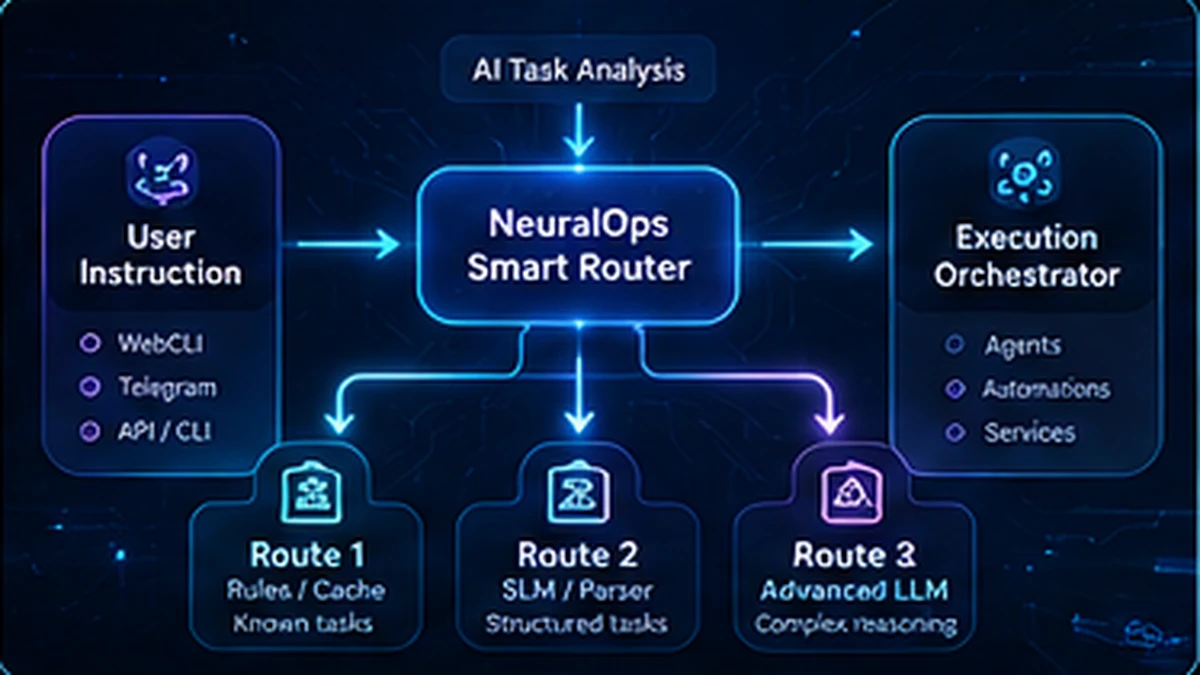
架构 conceptA routing architecture can direct predictable work to rules or cache, 结构化提取 to a parser or small model, and tasks needing broader reasoning to an 高级模型. The route depends on the deployment and its configured providers.
模拟 example · no prompt is sent and no model is invoked.
常规 lookup → 规则 / cache模拟 routing only. No prompt is sent and no model is invoked.
可重复 lookups and 确定性检查.
Structured extraction and bounded tasks.
任务 that need broader reasoning.
03 / 构建者 & Auditor
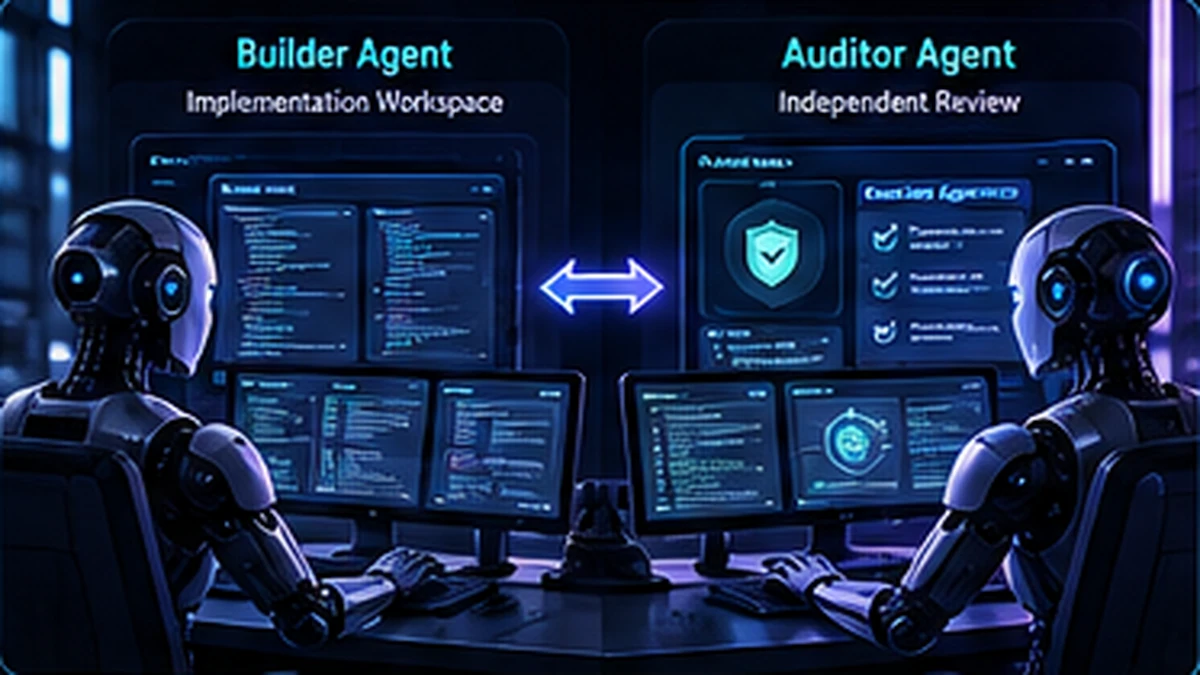
In developmentThe proposed workflow separates a 构建者 role from an Auditor role. 变更 move through review and human approval; autonomous 实时 execution is not enabled by this public page.
Prepares a proposed change for review.
Checks the proposal against defined requirements.
A person decides whether a reviewed change proceeds.
04 / Browser-based WebCLI
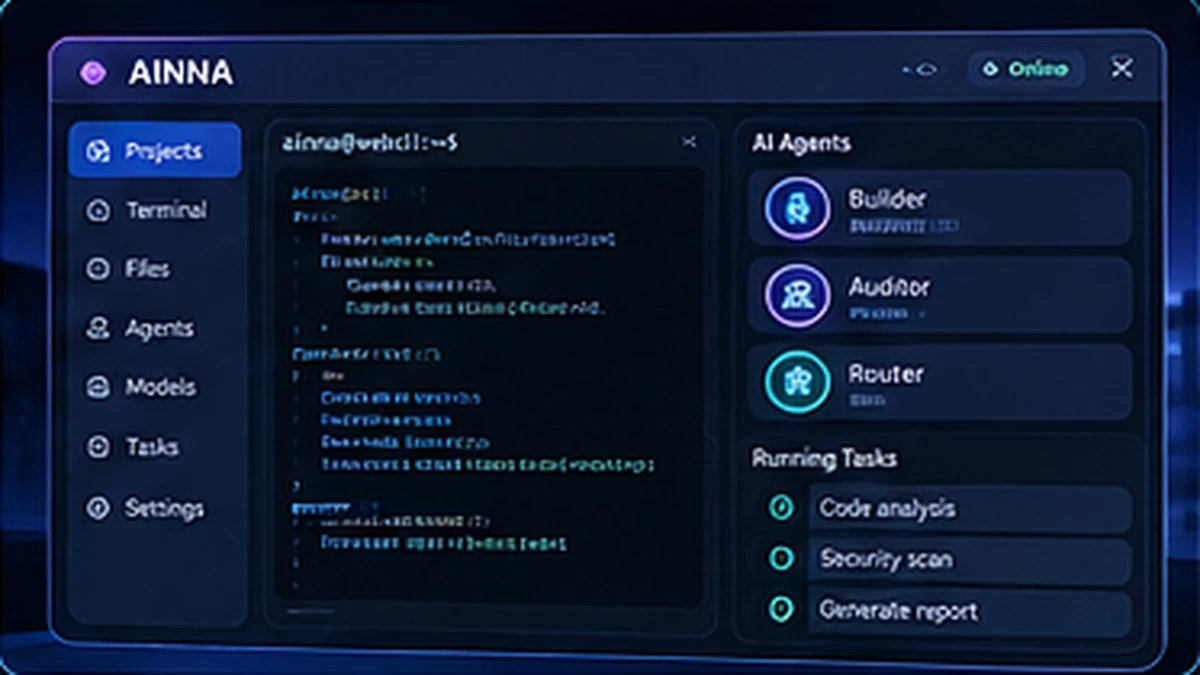
Recorded demo探索 the recorded technical replay to see the interface and its simulated events. It is not a 实时 production console and does not expose authenticated sessions.
Playback of a historical audit recording.
Displayed events are illustrative, not 实时 telemetry.
打开 the public replay on the 命令行 page.
05 / 分离式系统
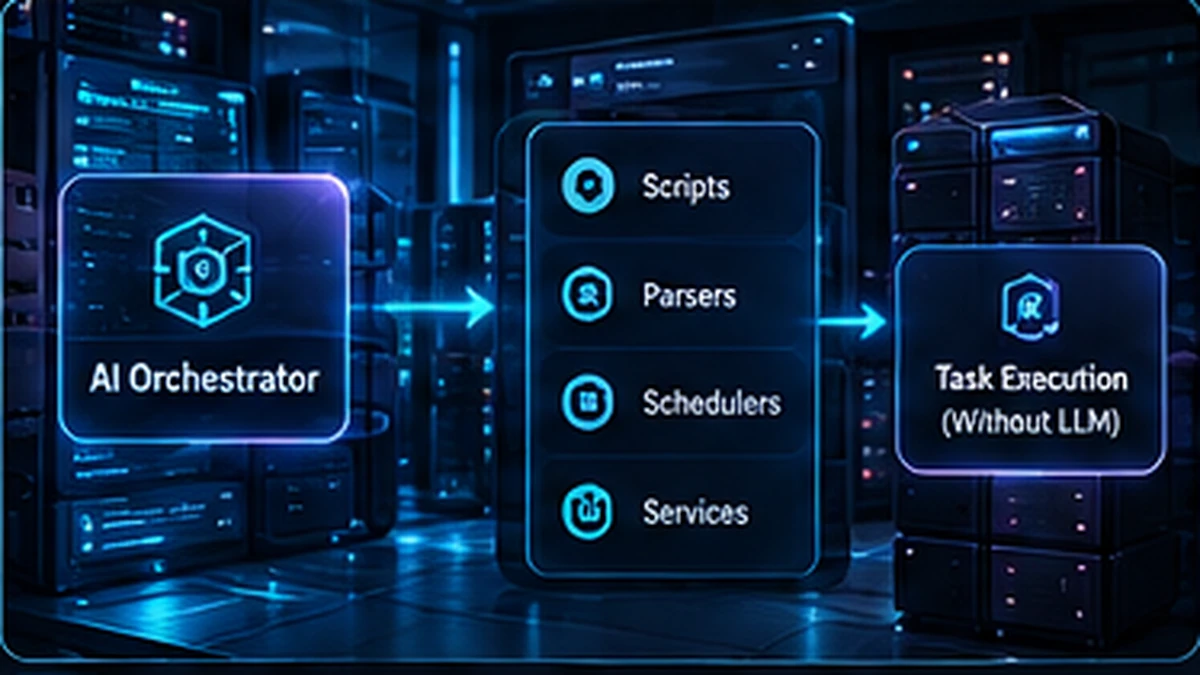
架构 conceptSchedulers, parsers, scripts and application services can handle repeatable steps without sending every operation to an LLM. The suitable boundary depends on each workflow.
Identify stable inputs, rules and expected outputs.
Prefer deterministic processing where it fits.
路线 exceptions for model-assisted handling or review.
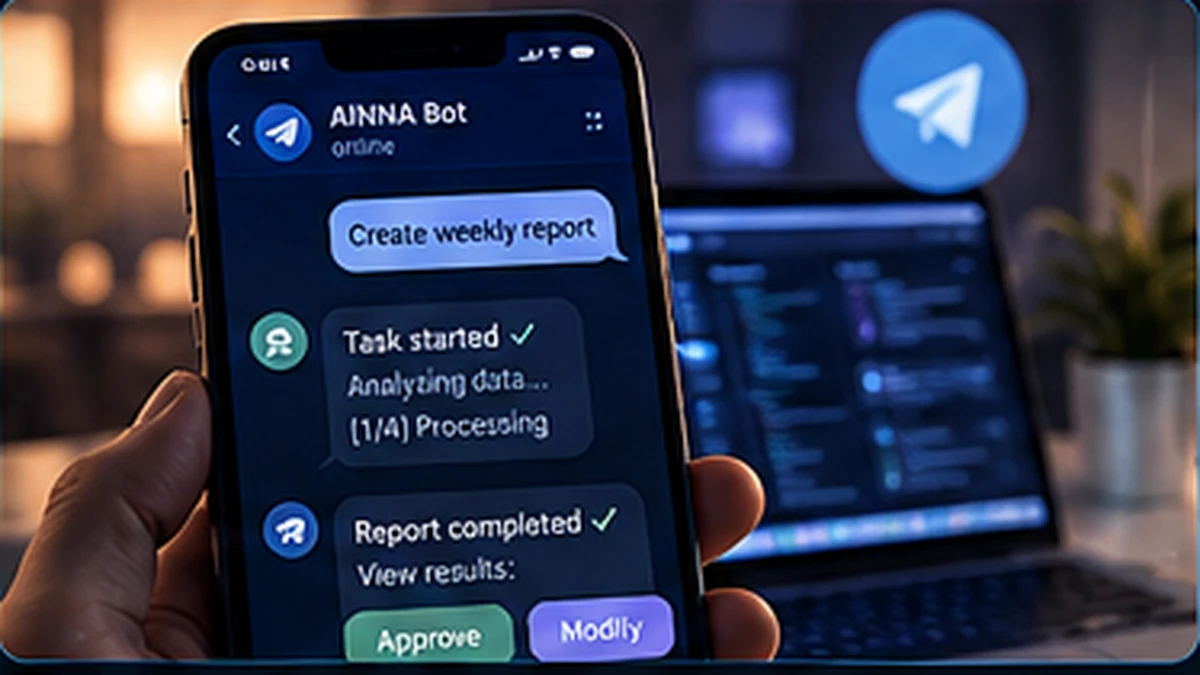
06 / Telegram OTG
部署-dependentA remote-control integration can provide an authorized way to submit instructions and receive task 状态. 可用性, permissions and supported actions depend on the deployment.
Connect only approved accounts and devices.
Return progress and completion information.
Expose only capabilities enabled for that deployment.
07 / 专用基础设施
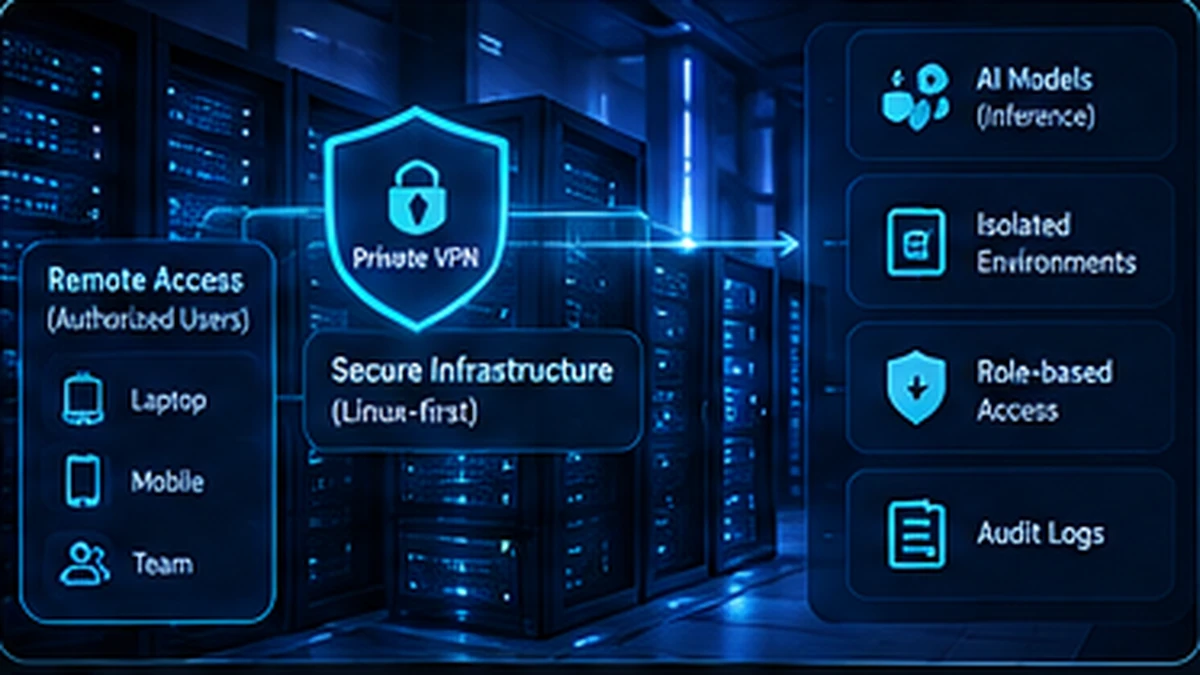
Reference architectureVPNs, private networks, identity controls and role separation are deployment architecture choices. See the architecture reference for deeper infrastructure context; this illustration is not a screenshot of a 已验证 customer deployment.
Choose public or private connectivity deliberately.
Scope identities and roles to required work.
验证 the actual deployment configuration.
08 / 多-模型 路由
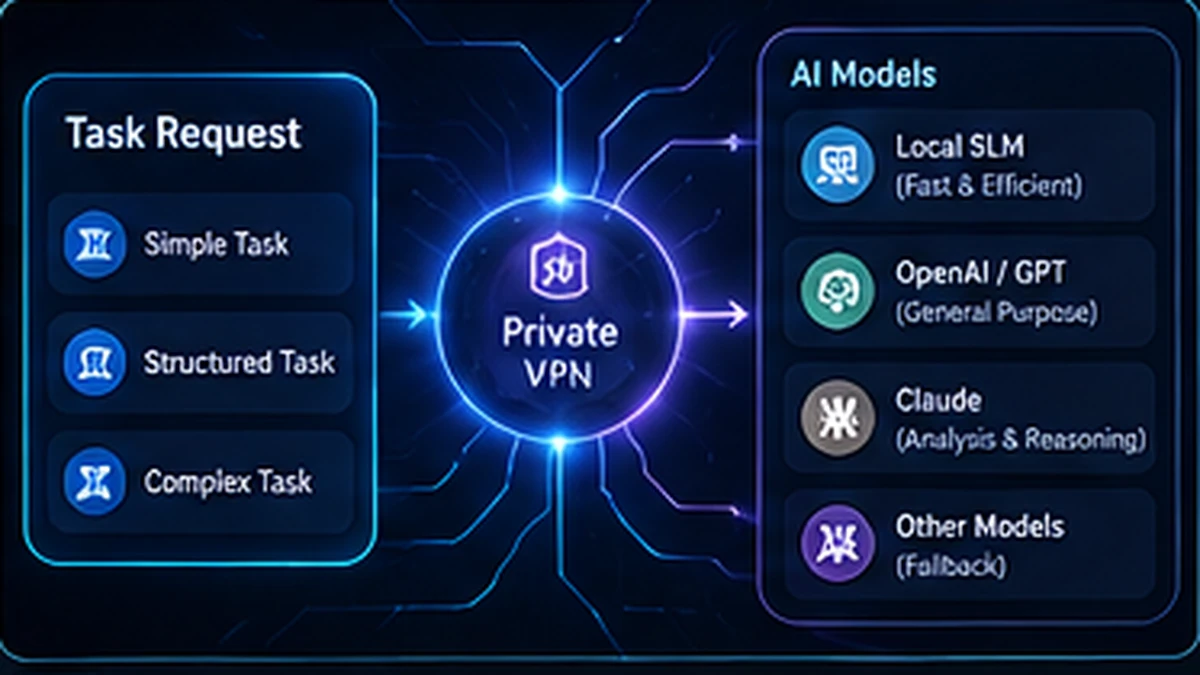
Configuration-dependent模型 selection can consider task requirements, latency, provider pricing, data policy and fallback behavior. 可用 models depend on credentials and configuration; no model-count claim is made here.
Select a model suited to the task.
比较 current provider terms and measured response time.
定义 what happens when a provider is unavailable.
09 / 审核 & 审批
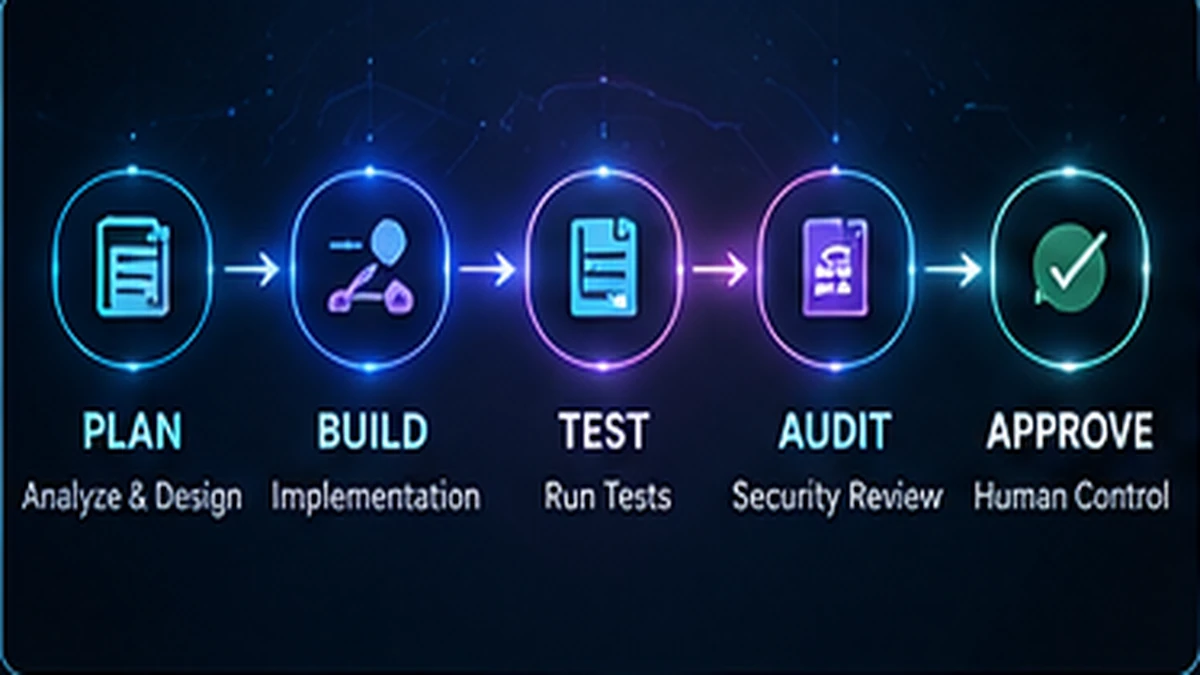
人工审批 requiredA controlled workflow makes review explicit. A public marketing page does not activate execution, grant privileged access or change production 系统.
描述 the intended change and its boundaries.
准备 the change and check expected behavior.
审核 evidence; a human decides whether to proceed.
10 / 中小企业 应用场景
Illustrative scenariosThese are illustrative scenarios, not customer case studies or measured results. Each workflow needs its own requirements, data review and acceptance checks.
Collect and summarize figures for a person to review.
草稿 responses for review under defined policies.
准备 product data for validation before publishing.
Organize reminders and service records.

11 / 效率 & 证据
Benchmarks pending verificationBenchmarks to be published after verification. No 实时 performance figures or savings are asserted here.
12 / 路线图 & 下一步
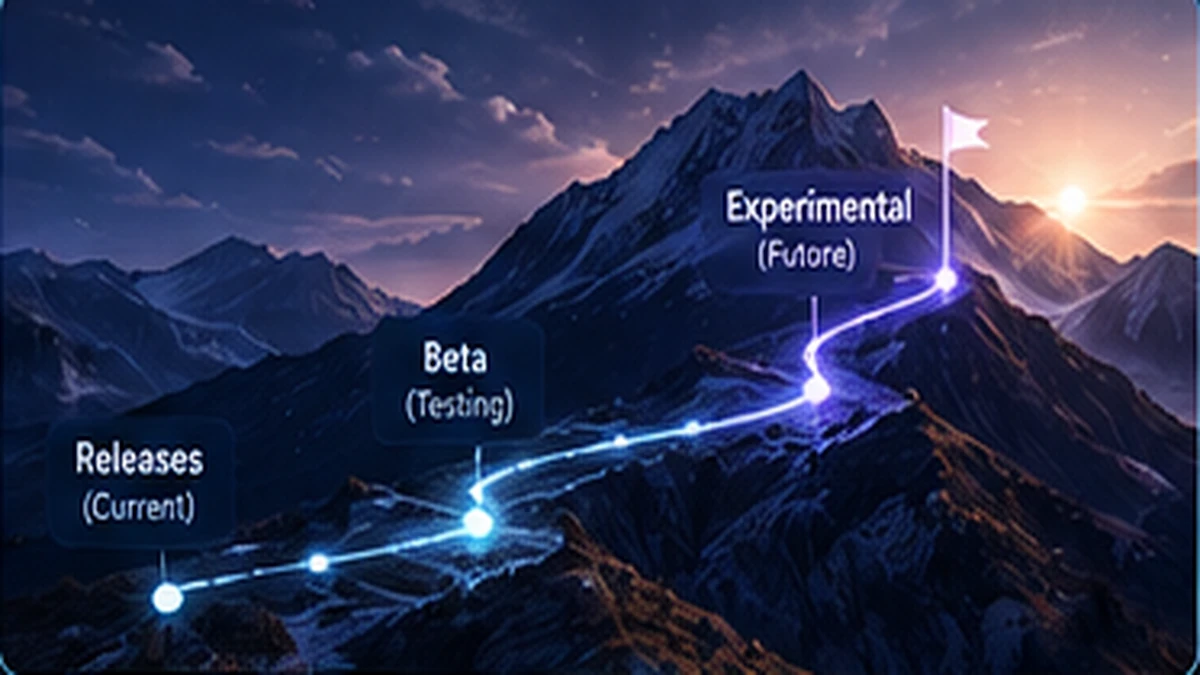
Recorded demo availableThe public 命令行 page is a recorded replay. 其他 capabilities described here are architecture concepts or deployment-dependent; no autonomous 构建者/Auditor execution is represented as 实时.
They are AI 智能体 that carry out defined operational work on private infrastructure, with controlled execution, logging and human approval gates.
分离式 processing runs recurring 工作流 independently of the chat interface so operational 系统 keep working without manual prompting.
On private or on-premises infrastructure, so the organisation keeps control of its data and inference.
智能路由 sends each task to the smallest sufficient intelligence layer, reducing spend on large-模型调用 for simple work.










