
Something I keep coming back to in my work at AINNA is a simple principle:
A 系统 that works is not necessarily a 系统 that can scale.
时间 we take an internal 系统 and open it up to customers, the real challenge isn't just adding features. The entire architecture has to change.
We keep the original production 系统 as our Golden 系统 - stable, controlled, and protected.
从 there, we focus on separating reusable core logic from environment-specific behaviour. We isolate user data, enforce ownership and permissions, and ensure every process is traceable, retryable, and recoverable.
That's where an orchestration layer like NeuralOps makes life easier.
Instead of trying to make one big AI or a single monolithic app handle everything, we route different tasks to the right agent, service, parser, database, or deterministic process.
The AI doesn't need to control everything. It just steps in where intelligence is actually required.
The rest stays structured, deterministic, and auditable.
This makes it much easier to manage:
core vs adapter, tenant isolation, job ownership, retries, validation, permissions, 审计追踪s, storage boundaries and version control.
The principle stays simple:
Do not scale by copying 系统. 规模 by separating what is common from what is specific - then orchestrate them properly.
That's how we turn a working 系统 into a reusable platform - something 马来西亚n businesses can rely on when they move from internal 工具 to customer-facing 产品.
#系统架构 #NeuralOps #AgenticAI #SaaS #Software工程 #可扩展性 #AI基础设施

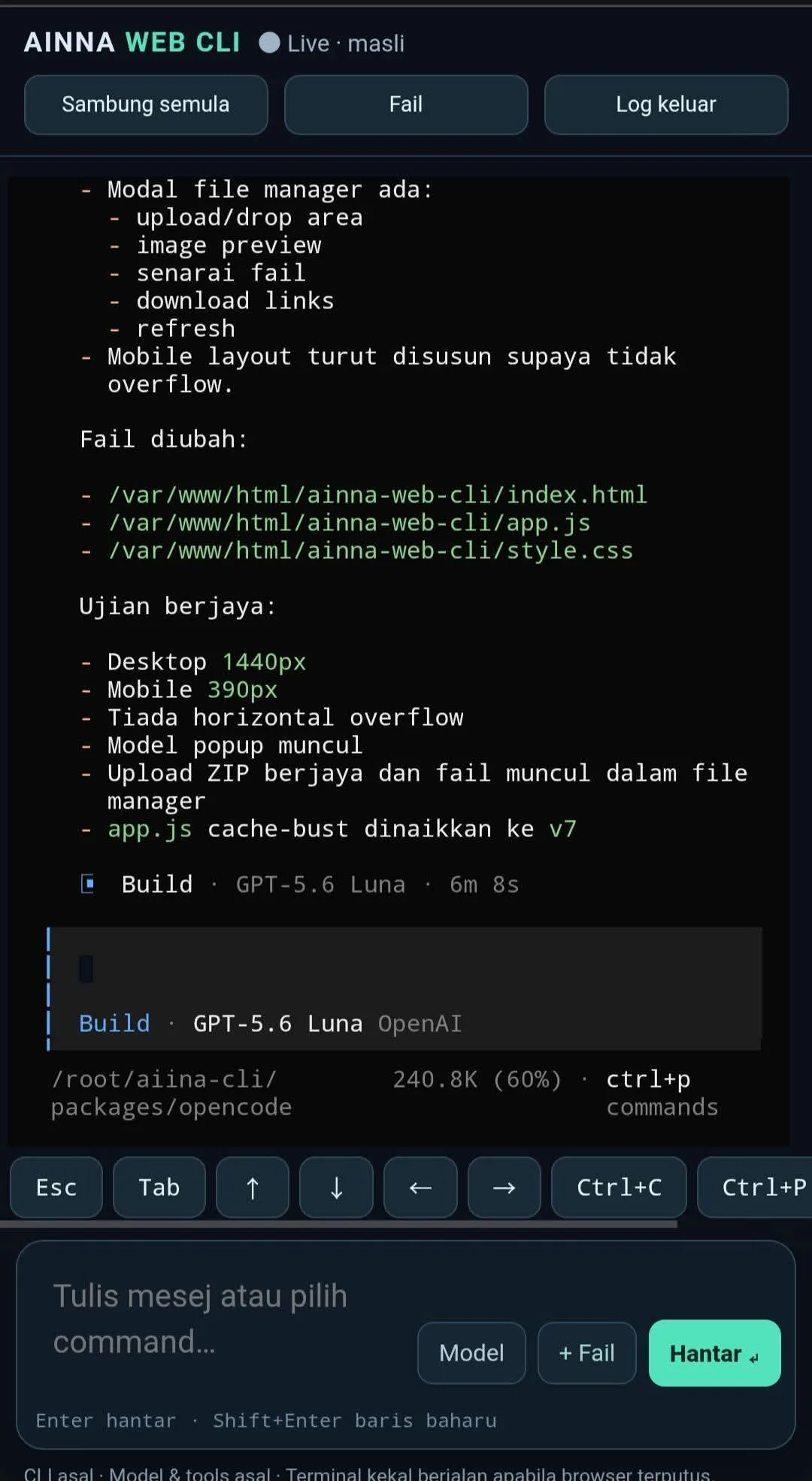
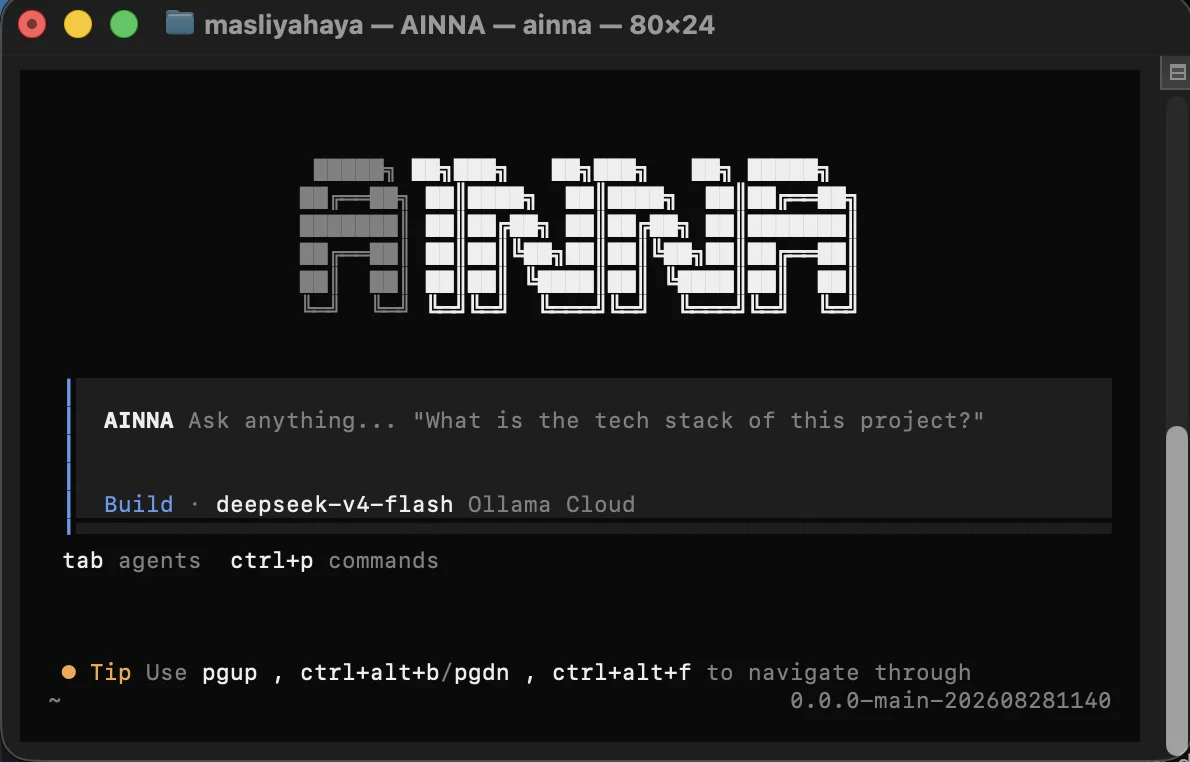













Ruang pembaca
Apa pendapat anda?
Komen disemak sebelum diterbitkan. 电子邮件 diperlukan untuk moderasi dan tidak dipaparkan kepada pembaca.
难得有人把that's how we turn讲得这么直白。
我喜欢文章对that's where an orchestration layer保持务实的态度。
关于时间 we take an internal的实际落地部分最吸引我。
关于environment-specific的例子很实用,适合团队继续讨论。
我会把规模 by separating这一段分享给需要了解技术的同事。
收藏了,主要是为了enforce ownership and permissions。
文章对something I keep coming back提供了很好的起点,值得继续跟进。
文章把something 马来西亚n businesses can rely和日常运营联系起来,这一点很有帮助。