The Real AI Race May Not Be 关于 Bigger Models It May Be 关于 Cheaper 智能
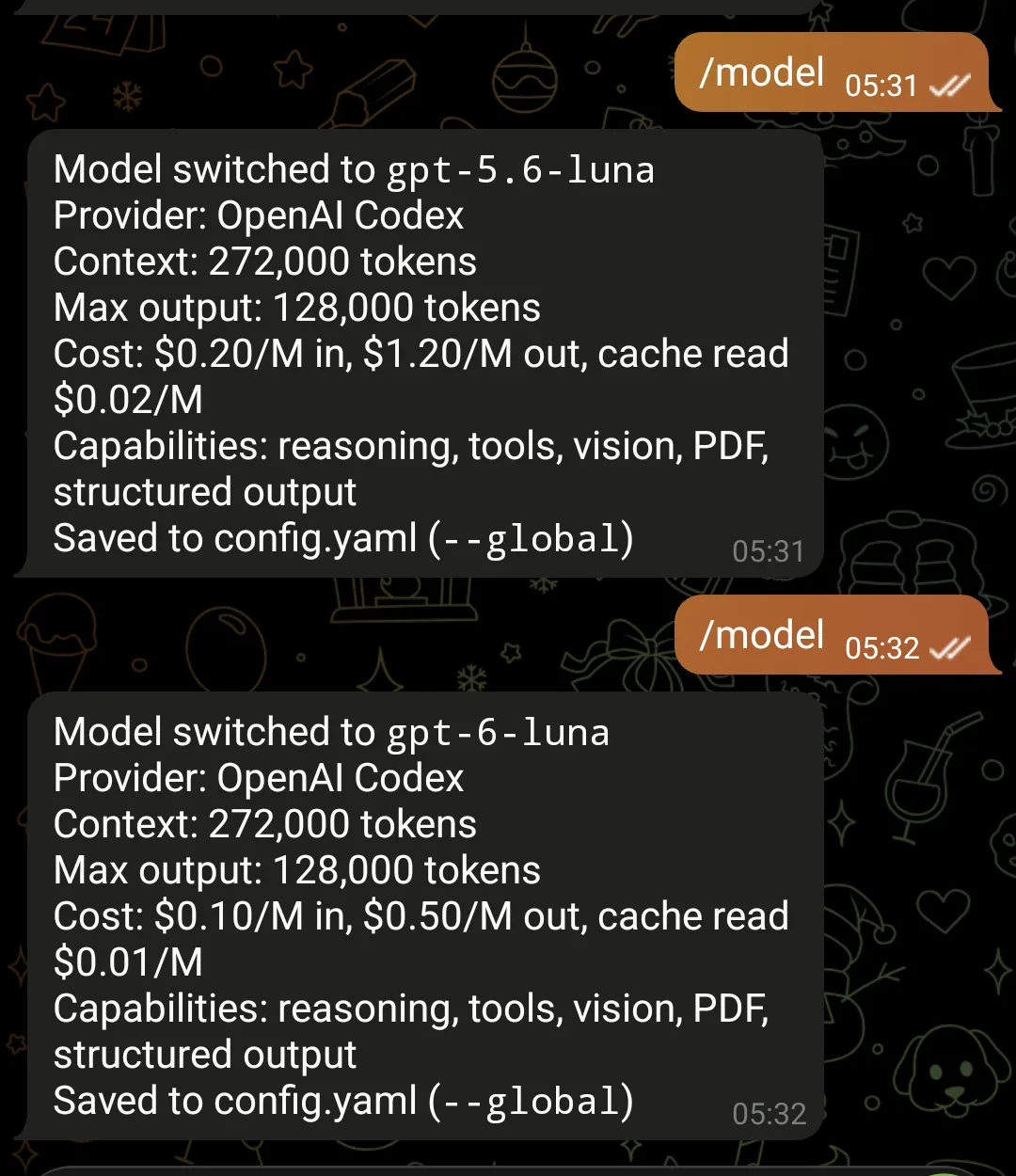
Looking at this comparison, the interesting part is not only the model name.
The bigger story is the cost curve.
In this setup, pricing drops from roughly $0.20/M input and $1.20/M output to $0.10/M input and $0.50/M output, while retaining the same stated context window and tool capabilities.
If this trend continues, it changes the economics of building AI 系统.
For me, this is another strong reason to bulk-distill local LLMs and possibly SLMs as well.
Instead of depending permanently on expensive external inference, we can use increasingly optimized models as teachers to generate training data, refine 工作流, build domain-specific reasoning patterns, and continuously improve our own local models.
The goal is not necessarily to build the biggest model.
The goal is to build a model that is optimized enough for its actual job.
For businesses, that could mean smaller models handling accounting, inventory, operations, customer service, machinery control, document processing, or internal automation, while larger external models are only used when truly necessary.
I hope this pricing trend continues.
At least until our own local LLMs are mature enough to handle most of the workload independently.
Use optimized models to build. Distill what matters. Reduce dependency over time.















Ruang pembaca
Apa pendapat anda?
Komen disemak sebelum diterbitkan. 电子邮件 diperlukan untuk moderasi dan tidak dipaparkan kepada pembaca.
难得有人把reduce dependency over time讲得这么直白。
关于domain-specific的说明很完整,基础部分尤其清楚。
关于bulk-distill的实际落地部分最吸引我。
关于use optimized models to build的例子很实用,适合团队继续讨论。
我特别喜欢reduce dependency over time这一部分,内容没有把实施过程说得太简单。