
Putting AI 智能体 into every IoT device and calling it a 智慧城市 might be one of the most expensive architectural mistakes we are about to make.
Even worse, we are doing it while talking about Green Cities, energy efficiency and sustainability.
Are we genuinely engineering smarter cities, or simply engineering unnecessary demand for AI?
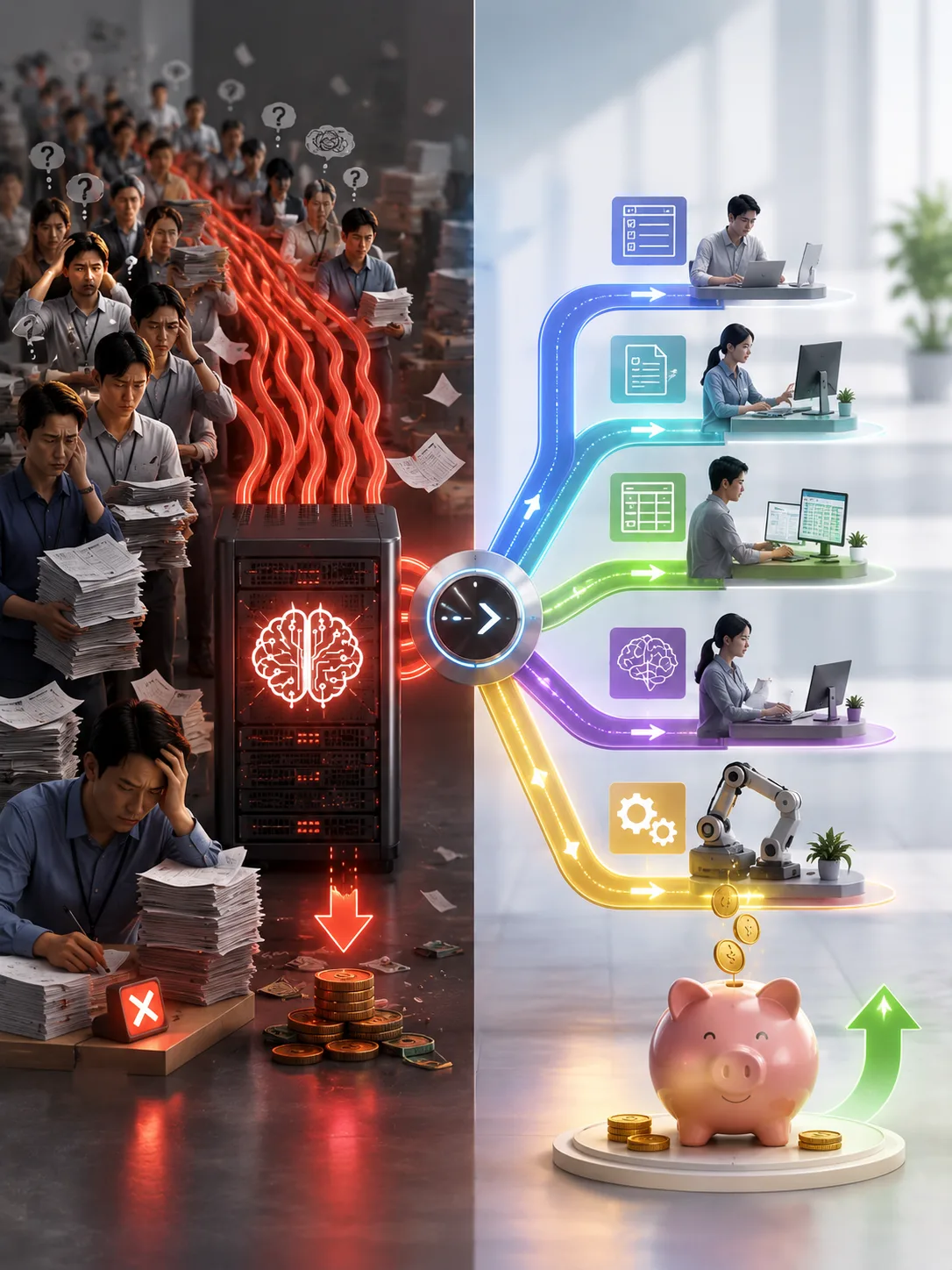
Why continuously consume AI 令牌, GPU resources, computing power and energy to perform tasks that conventional algorithms can handle more efficiently?
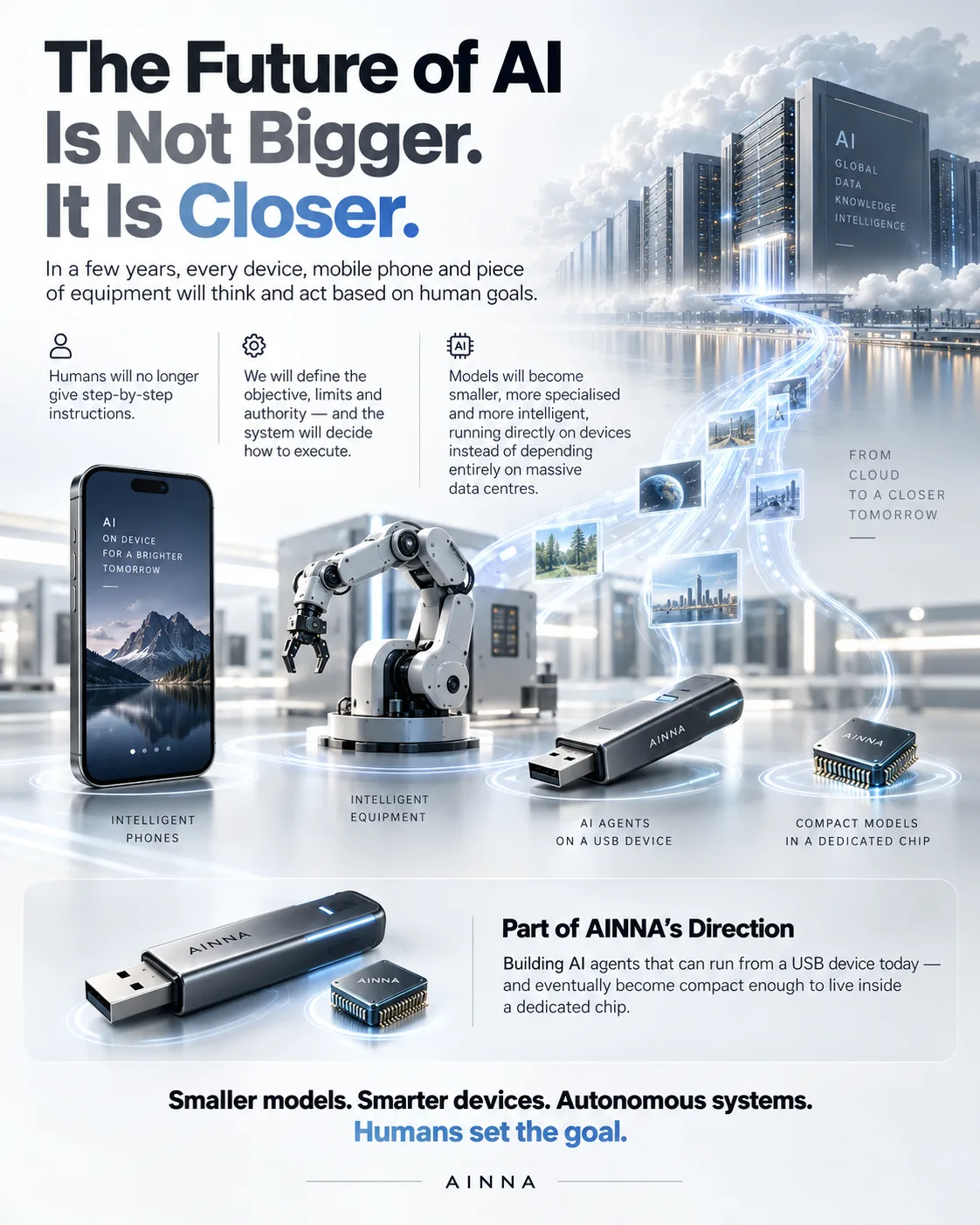
Instead of embedding AI 智能体 everywhere, why not use AI to engineer the entire ecosystem?
Use AI to develop intelligent 系统, then allow those 系统 to operate autonomously 24/7 through:
• Event-driven architecture
• 规则-based automation
• 边缘 computing
• 已优化 algorithms
• IoT and sensor integration
• Intelligent data processing
部署 AI inference only where it delivers measurable value, such as predictive analytics, anomaly detection and complex decision-making.
We need to understand the fundamental distinction between AI-powered 系统 and AI-engineered 系统.
Not every 系统 built using AI needs AI to operate.
With the right architecture, we can achieve lower operational costs, reduced energy consumption, faster response times, greater reliability and better scalability.
想象 spending millions on AI infrastructure only to automate tasks that could have been executed by a lightweight algorithm.
Is that innovation or inefficient engineering?
A 智慧城市 should not be measured by how many AI 智能体 it deploys, but by how efficiently it utilizes technology, energy and resources.
Smart by 设计.
Green by architecture.
可持续 by operation.
AI should be a catalyst for sustainability, not another source of unnecessary consumption.
Don't engineer for the hype. Engineer for the purpose.
#智慧城市 #GreenCity #AgenticAI #Artificial智能 #可持续发展 #系统工程 #IoT #EdgeComputing #Green科技 #DigitalTransformation















Ruang pembaca
Apa pendapat anda?
Komen disemak sebelum diterbitkan. 电子邮件 diperlukan untuk moderasi dan tidak dipaparkan kepada pembaca.
Why continuously consume AI 令牌这个说法我要拿回去跟同事讨论。
如果有更多anomaly detection and complex decision-making的数据和结果会更完整。
文章把想象 spending millions on AI和日常运营联系起来,这一点很有帮助。