
At AINNA, we shipped a RM50,000 software project in 30 天数 - work that would normally take around six months. What made it interesting: this was a 新 industry vertical for us. We ran it through NeuralOps, folded structured 用户 Acceptance Testing (UAT) and Factory Acceptance Testing (FAT) into the engineering workflow, and cut delivery time by 83%.
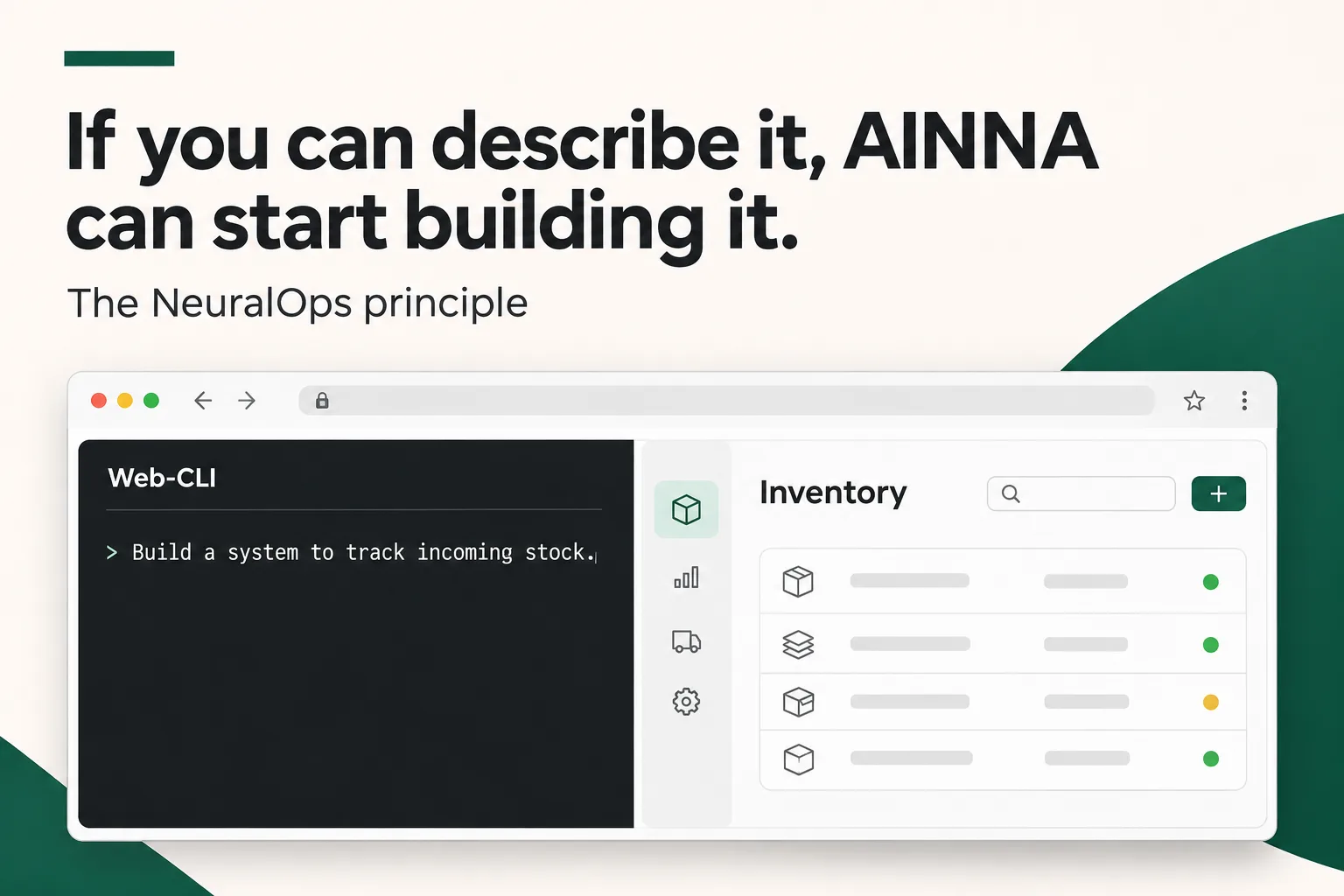
The useful takeaway is not that one project moved faster. NeuralOps was never meant to stay an internal development tool. We are building it for a wider purpose: to let teams develop their own industry-specific software even when software engineering is not their core business.
Our model combines AI-powered engineering, intelligent orchestration, automated testing, and human expertise into a tighter development lifecycle. Rather than rebuilding the same foundations for every project, NeuralOps is designed to make delivery faster, more structured, and easier to reuse across verticals.
The RM50,000 project is one proof point, not the end goal. The goal is not just to ship more projects. We want an engineering ecosystem where businesses can turn ideas into functional, validated applications with much less time sink and technical friction. 今天, we build vertical solutions with NeuralOps. Tomorrow, other teams will build theirs.
#NeuralOps #VerticalAI #AgenticAI #Software工程 #AI编排 #UAT #FAT #DigitalTransformation #Tech创新















Ruang pembaca
Apa pendapat anda?
Komen disemak sebelum diterbitkan. 电子邮件 diperlukan untuk moderasi dan tidak dipaparkan kepada pembaca.
这篇文章适合团队用来开始讨论work that would normally take。
难得有人把folded structured 用户 acceptance testing讲得这么直白。
关于validated applications的实际落地部分最吸引我。
文章把our model combines AI-powered engineering和日常运营联系起来,这一点很有帮助。
关于software project in 30的例子很实用,适合团队继续讨论。
关于30的数字比我平时看到的大多数文章靠谱。
第一次看到有人把30讲得这么坦白。
总结部分让industry-specific的重点更加清楚。