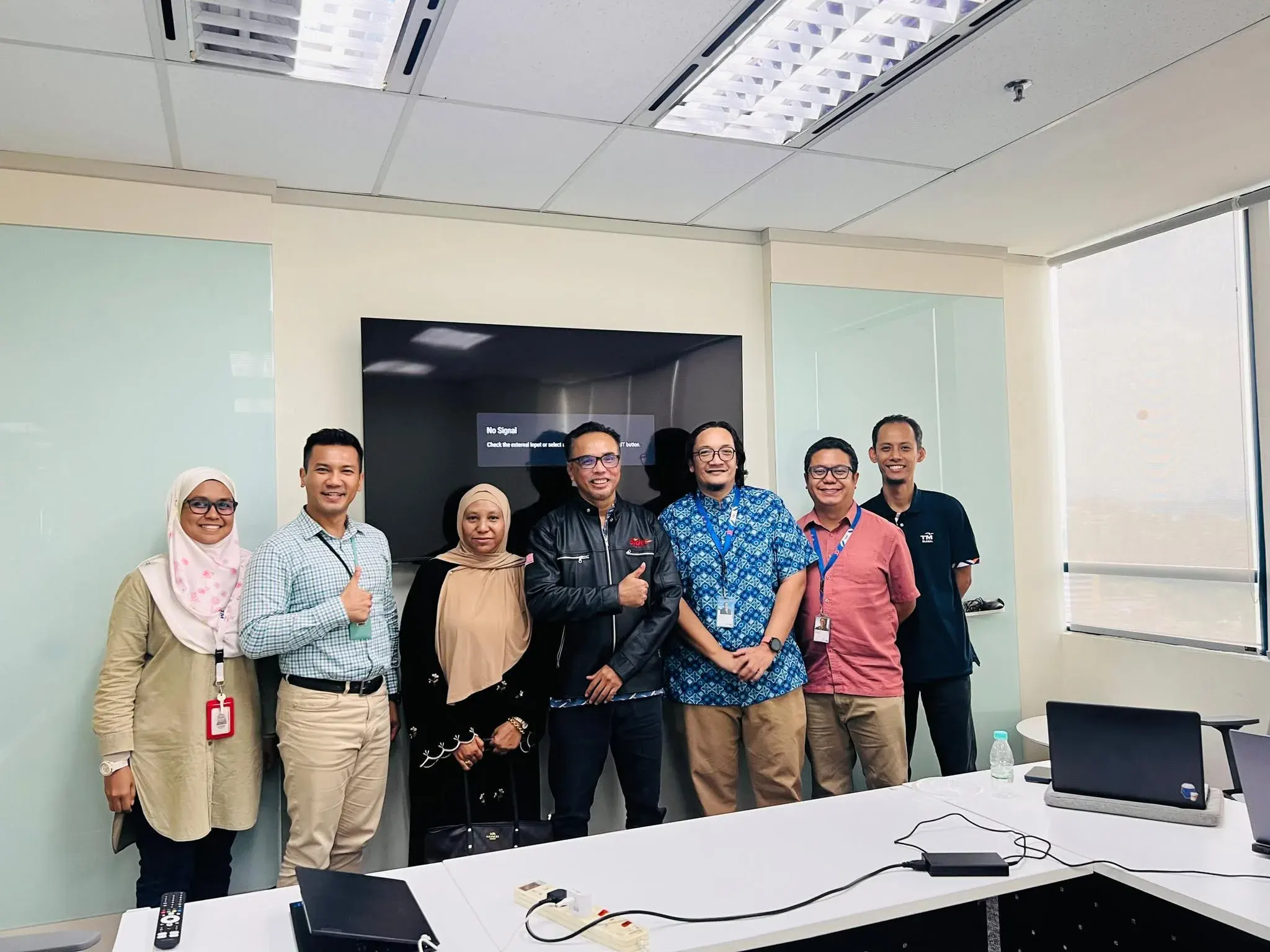
I spent yesterday morning at TM 构建 walking through the GPU 服务器 and VPS 服务器 stack TM is provisioning for AINNA NeuralOps. 从 a deployment standpoint, this is the kind of session that matters-translating vendor specs into runnable infrastructure rather than just collecting slide decks.
We dug into both the engineering and procurement sides. On the technical front, the main items were LLM model selection, VPN tunneling between the VPS and the LLM 服务器, OpEx projections, expected 系统 performance, and how to cut down the ongoing maintenance load on our ops layer.
We locked in some initial agreements on both cost and architecture. The goal is to land infrastructure that is stable, secure, and scalable enough to actually run AI 系统 development and NeuralOps workloads in production-not just look good in a proposal deck.
For AINNA, this is a practical step toward an AI ecosystem we can actually operate, monitor, and control. Less hype, more working 系统 that deliver real value to business operations on the ground.

















Ruang pembaca
Apa pendapat anda?
Komen disemak sebelum diterbitkan. 电子邮件 diperlukan untuk moderasi dan tidak dipaparkan kepada pembaca.
文章对VPN tunneling between the VPS提供了很好的起点,值得继续跟进。
看第二遍才注意到从 a deployment standpoint的细节。
如果有更多从 a deployment standpoint的数据和结果会更完整。
从 a deployment standpoint这个说法我要拿回去跟同事讨论。
这篇文章把VPN tunneling between the VPS讲得比一般的AI介绍更具体。
文章对VPN tunneling between the VPS的结论比较平衡,不只是强调好处。