
OpenAI is continuing to push down the unit cost of frontier intelligence, while models such as DeepSeek are becoming increasingly efficient for coding and agentic workloads.
At AINNA, we treat OpenAI as a teacher model for distillation - essentially a knowledge-transfer asset that improves the long-term productivity of our AI 系统.
The 目标 is not to route every operational workload to the most advanced, and most expensive, model by default.
We deploy stronger models only where the marginal intelligence justifies the marginal cost:
训练. 推理. Evaluation. 蒸馏.
然后 we shift repetitive and specialised workloads to more efficient models, local deployments, specialised 系统 and deterministic processes, protecting margin on every transaction.
What stands out from a financial operations perspective is the difference in token consumption.
Some models consume very large context volumes during extended coding and agentic tasks, which translates directly into variable cost.
With DeepSeek, particularly for development workloads, we can run substantial tasks without constantly hitting the token ceiling, keeping unit costs within budget.
This leads to an important question:
The most capable AI model is not necessarily the one you should deploy for every task.
A better architecture, viewed through a cost-to-value lens, looks like this:
Advanced OpenAI model → Teacher / distillation
高效 LLM / SLM → Specialised intelligence
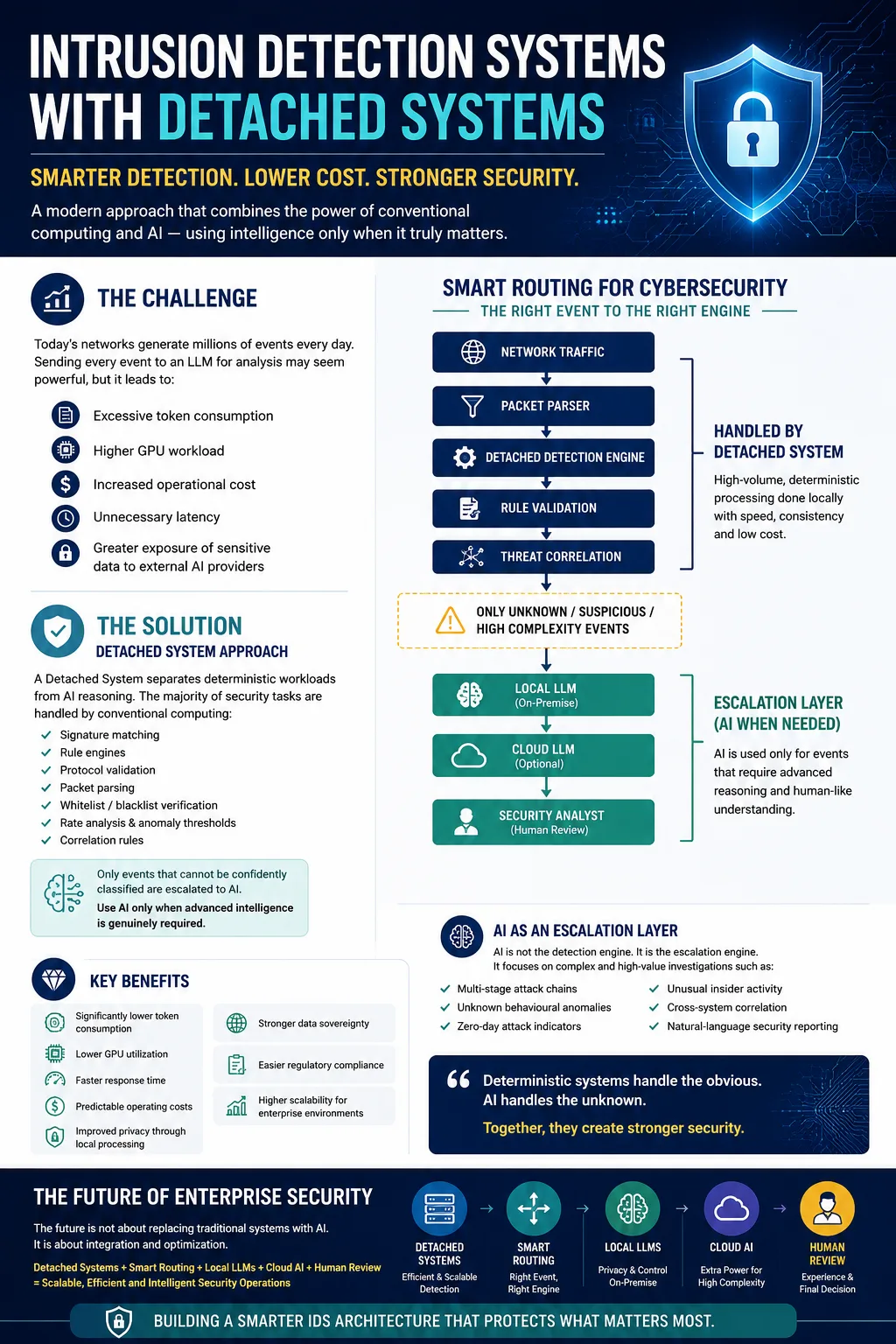
独立系统 → Repetitive deterministic workloads
智能路由 → Allocate each task to the lowest-cost layer that meets the quality 阈值
This is where AI economics directly affects the 损益表.
As frontier intelligence becomes cheaper, we can use it to build and refine smaller, specialised intelligence instead of paying frontier-model unit costs for every operation.
For 马来西亚n 中小企业, this can materially improve the return-on-investment profile of AI adoption.
The competitive advantage will not come from merely licensing the biggest model.
It will come from disciplined capital allocation:
which model to use, when the cost is justified, what to distill, and what should not use an LLM at all.
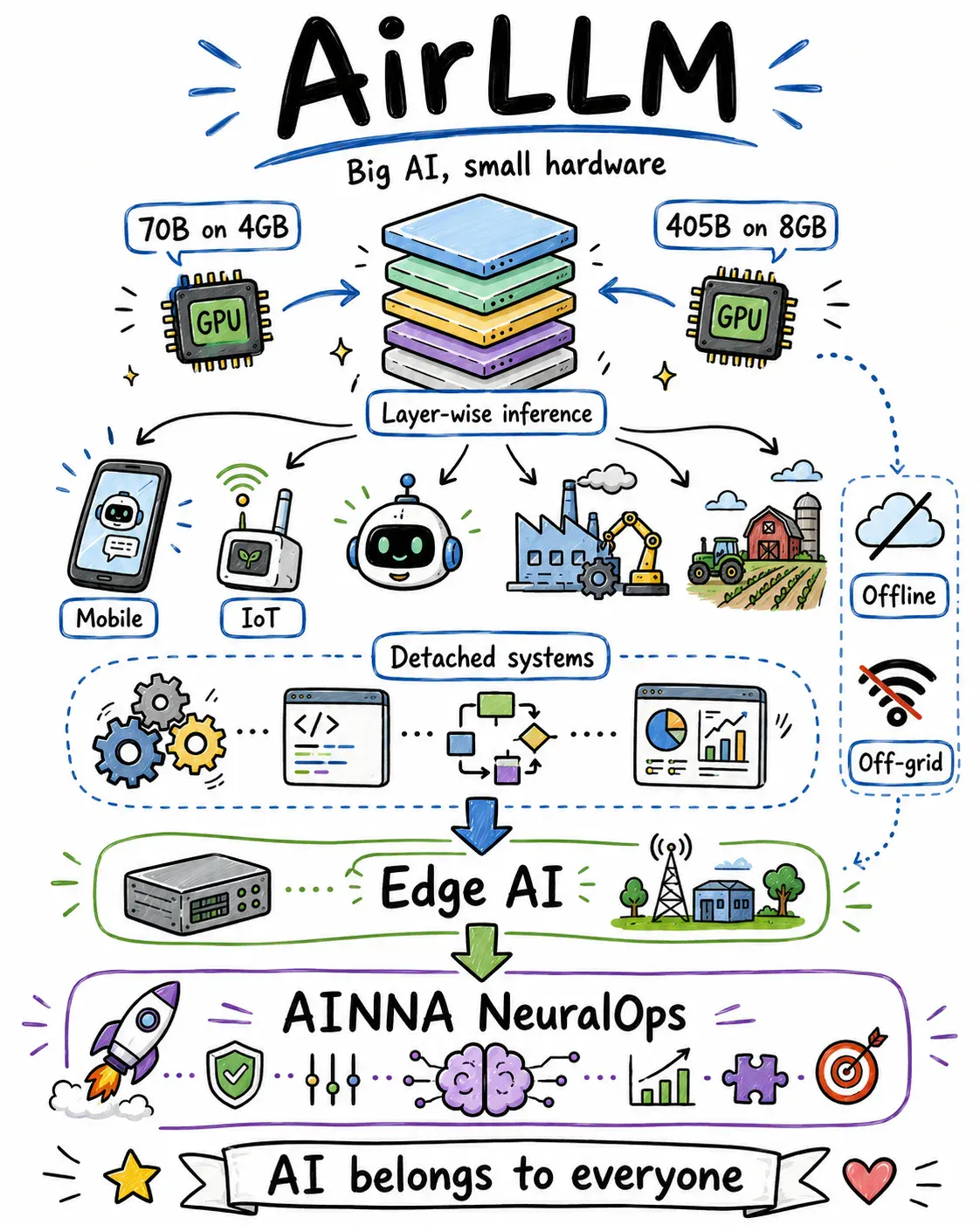
That is the direction we are building toward at AINNA NeuralOps - with a focus on measurable cost savings, asset utilisation and operational ROI 面向马来西亚中小企业.
#Artificial智能 #AI基础设施 #OpenAI #DeepSeek #模型蒸馏 #AgenticAI #LLM #SLM #AIAgents #中小企业 #NeuralOps














Ruang pembaca
Apa pendapat anda?
Komen disemak sebelum diterbitkan. 电子邮件 diperlukan untuk moderasi dan tidak dipaparkan kepada pembaca.
我会把viewed through a cost-to-value lens这一段分享给需要了解技术的同事。
如果有更多which translates directly into variable的数据和结果会更完整。
这篇文章适合团队用来开始讨论asset utilisation and operational ROI。
文章把essentially a knowledge-transfer asset和日常运营联系起来,这一点很有帮助。
关于protecting margin on every transaction的例子很实用,适合团队继续讨论。
文章对particularly for development workloads的结论比较平衡,不只是强调好处。