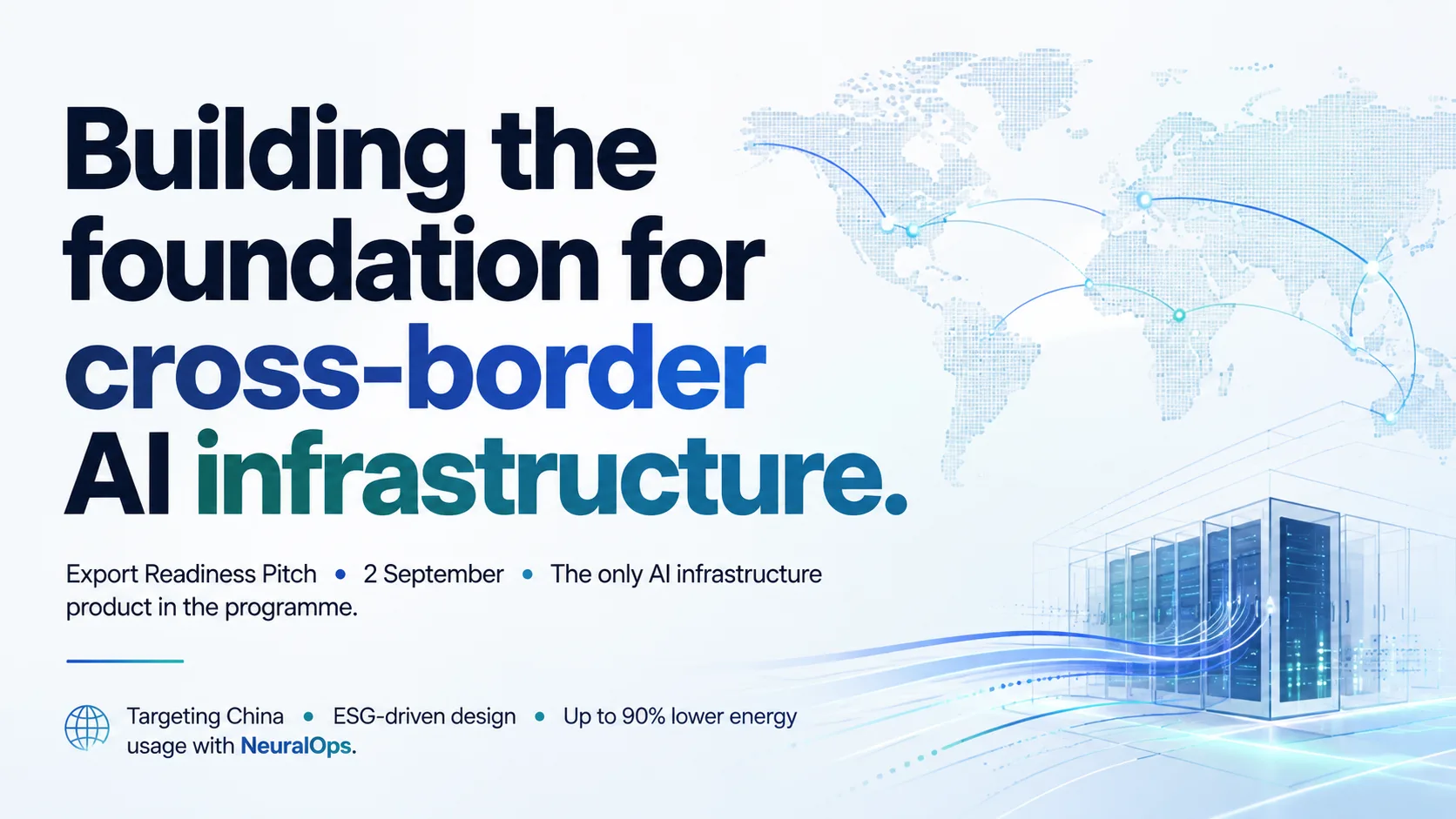
Whether or not external parties come on board, we continue strengthening the financial and operational foundation for our cross-border expansion.
We pitch actively because we view every conversation as an investment in market intelligence. Even when there is no direct revenue, each discussion returns measurable value: updated market views, qualified contacts, lessons that reduce future risk, and sometimes a strategic angle we had not modelled.
I often remind the team: capital allocation is not always linear.
Some ventures secure backing with less clarity than we would consider prudent. That is their timing. It does not mean the market is biased against us - it means our case must be even stronger on unit economics, asset efficiency, and verifiable metrics.
So we continue moving forward, with each initiative measured against financial and operational outcomes.
Our next target is global expansion, and China is one of the markets we are evaluating. However, we want to enter on a different operating principle: AI infrastructure that is efficient, scalable, measurable, and ESG-compliant from day one.
Through NeuralOps, we are engineering an AI infrastructure architecture designed to deliver up to 90% lower energy consumption, with corresponding reductions in water and coolant demand from heavy compute infrastructure.
We do not want this to remain a marketing claim.
That is why we built our own calculator and measurement framework to establish baselines, track energy usage, size infrastructure requirements, and quantify potential savings. The numbers are open to scrutiny, testing, and verification.
Our first 实时 market test is scheduled for 2 September at the 导出 Readiness Programme pitch.
Among the companies pitching, we are the only one presenting an AI infrastructure product.
Not a chatbot.
Not just an AI application.
Not only automation.
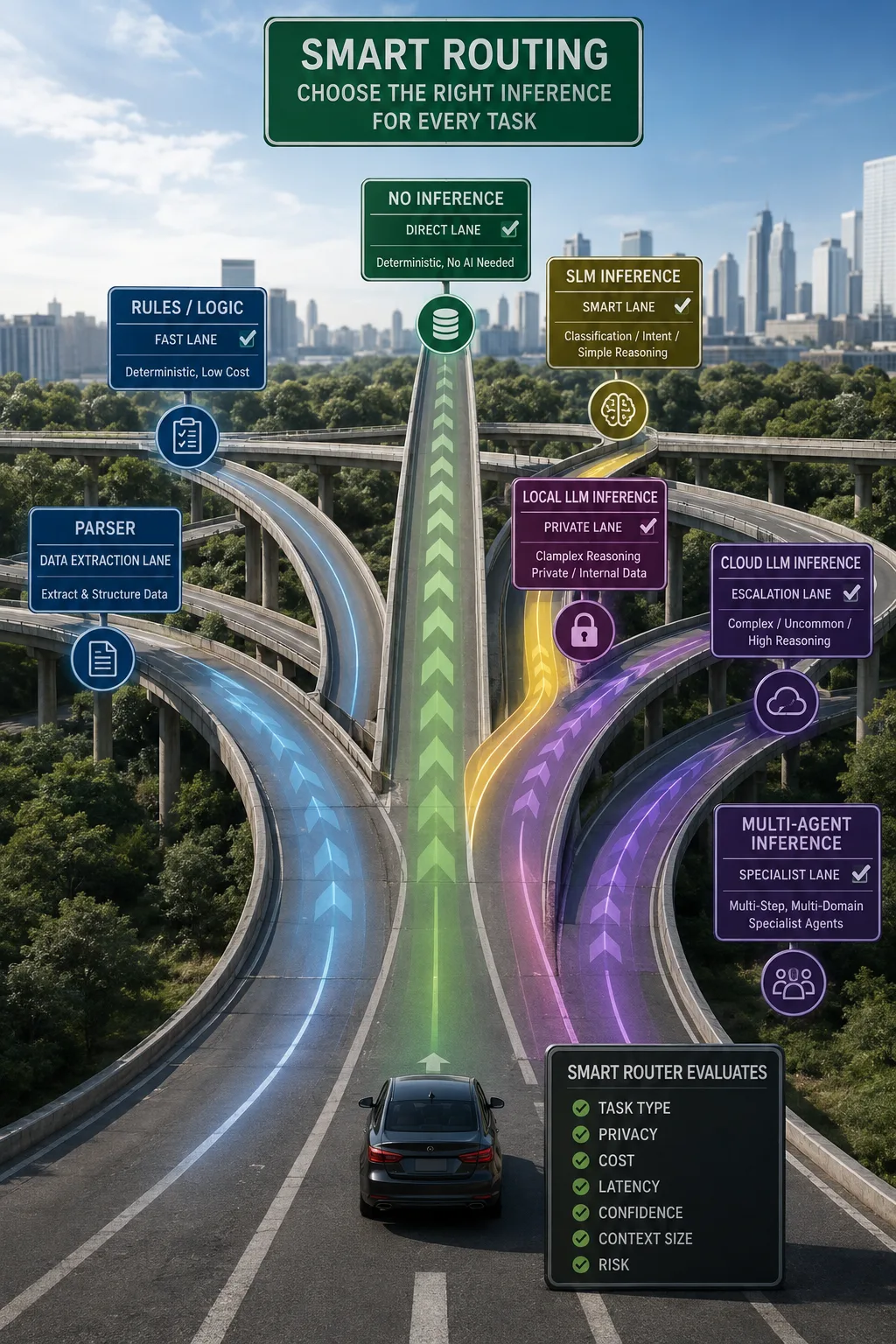
We are pitching the infrastructure layer itself - NeuralOps, 智能路由, 分离式系统, specialised processing, automation, governance, deployment architecture, resource optimisation, and AI efficiency - so buyers can evaluate it as a capital asset, not just software.
This will be our first real-world test of how the market responds to an AI infrastructure proposition built specifically for cross-border expansion.
Will it generate immediate revenue? We cannot say for certain.
Maybe yes, maybe no.
But even without immediate revenue, we still gain feedback, data, contacts, market understanding, and a clearer view of what we must fix before allocating more capital to global expansion.
Every pitch adds another line item to our foundation.
Every rejection refines our assumptions.
Every conversation gives us more data.
And every opportunity lets us stress-test whether what we have built can perform outside our own environment.
2 September will be our first real test.
No shortcuts. No guarantees.
We simply continue to build, improve, and advance until the financial and operational foundation is strong enough to support global expansion.

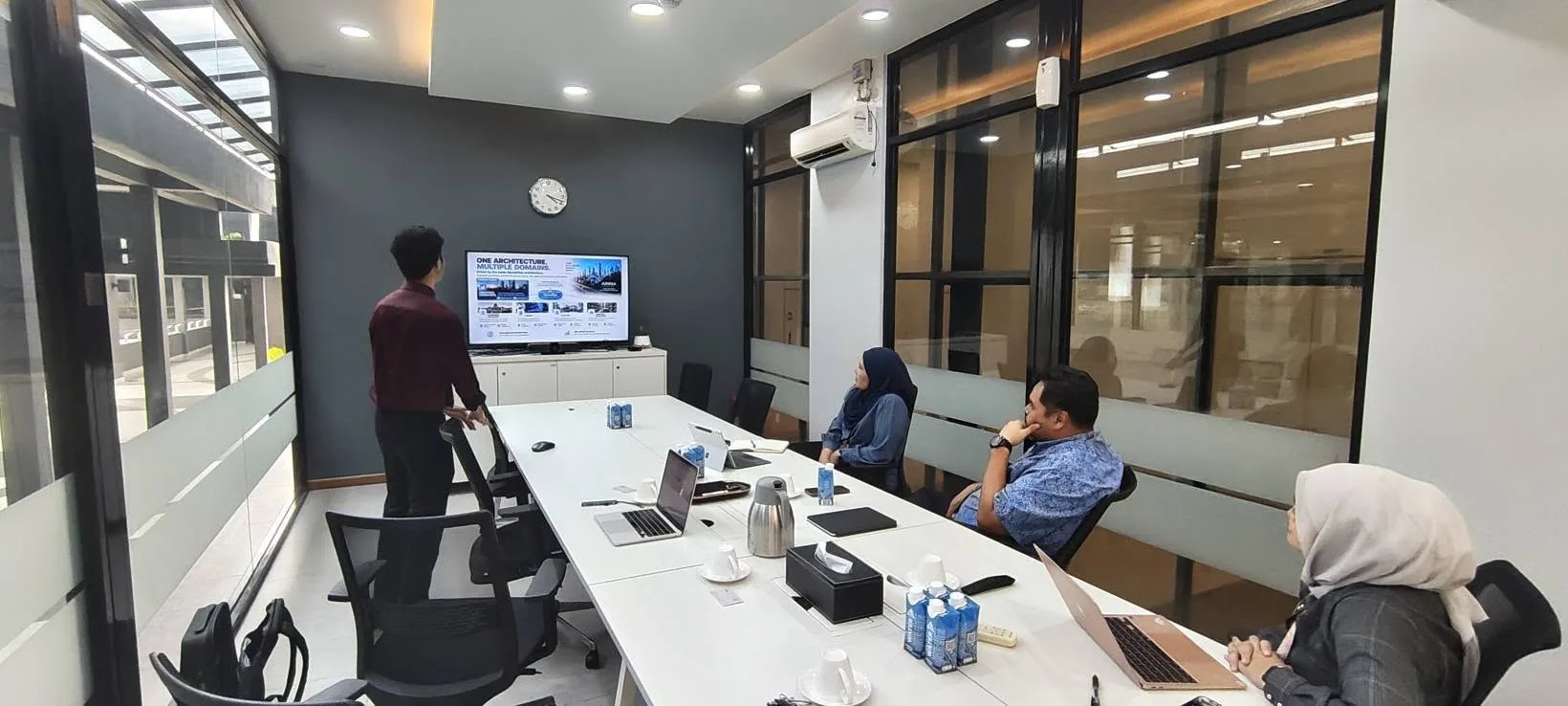













Ruang pembaca
Apa pendapat anda?
Komen disemak sebelum diterbitkan. 电子邮件 diperlukan untuk moderasi dan tidak dipaparkan kepada pembaca.
关于up to 9 90%的说明很完整,基础部分尤其清楚。
这篇文章对capital allocation的解释很清楚,实际操作的重点也很容易理解。
关于our first 实时 market test的例子很实用,适合团队继续讨论。
这篇文章把lessons that reduce future risk讲得比一般的AI介绍更具体。
文章对our first 实时 market test提供了很好的起点,值得继续跟进。
关于9这部分写得很扎实,整体也站得住。
简单直接。9就能说明问题。
文章把lessons that reduce future risk和日常运营联系起来,这一点很有帮助。