
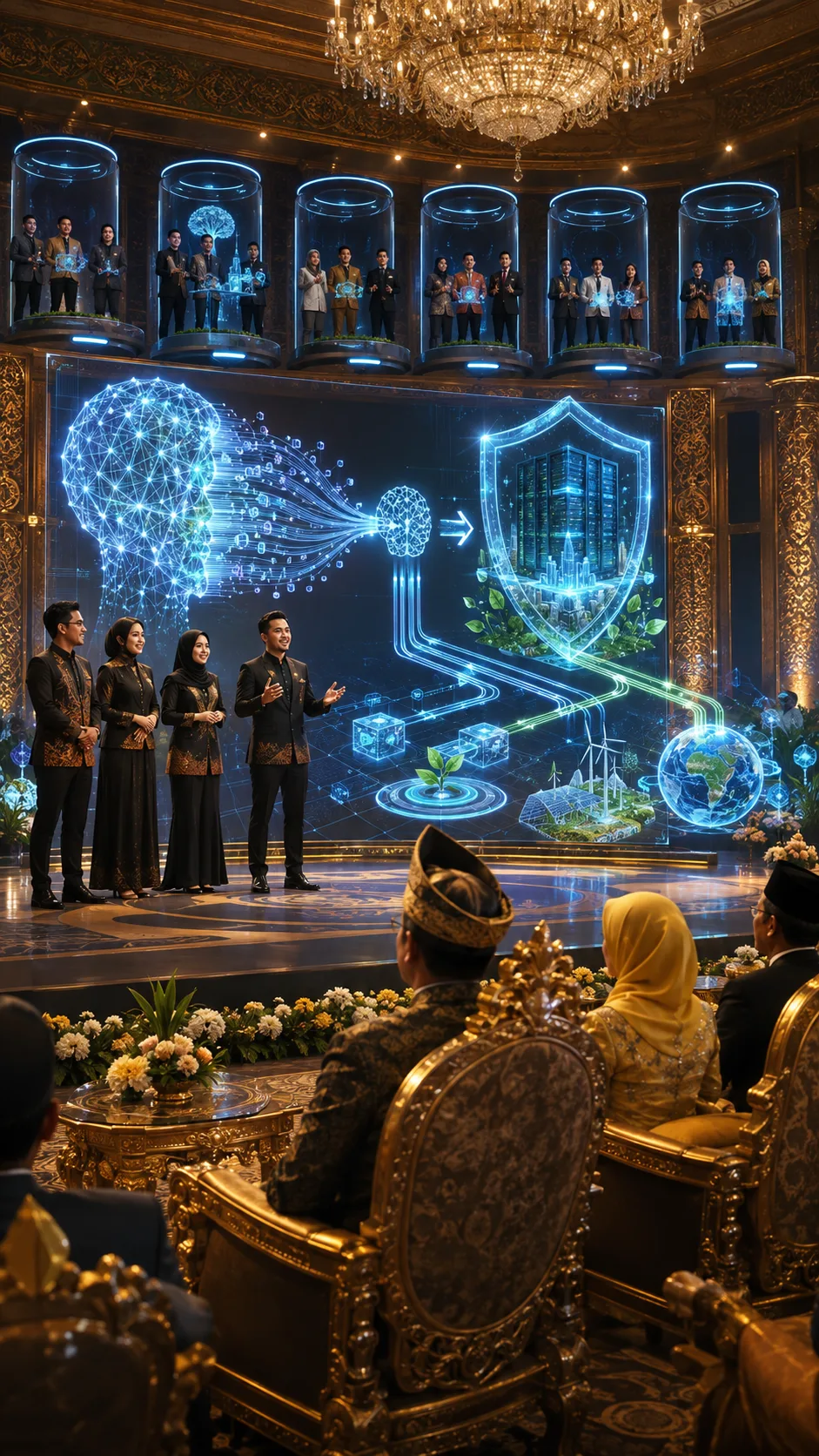
I have not watched the movie, but the phrase "ghost in the machine" evokes a different image for me. 想象 a world where everyday assets-lighting 系统, escalators, security cameras, fans, refrigerators, vehicles, and machinery-carry their own intelligence. Not sentient, but embedded with digital identities, sensors, compact models, on-board memory, and connectivity, enabling them to make simple, cost-effective decisions autonomously.
Advancements in IPv6, 5G, small language models, agentic AI, nano processors, and edge capabilities make this vision feasible. 从 a financial standpoint, the most compelling aspect is peer-to-peer processing power. Envision millions-eventually billions-of devices pooling their spare compute cycles. This reduces reliance on centralised cloud infrastructure, lowers data transfer costs, and minimises latency. Only when absolutely necessary would tasks escalate to high-cost data centres, optimising our operational expenditure.
If this architecture matures, we may no longer need to invest heavily in expanding data centre capacity. Instead, the untapped computational capacity of existing assets can be harnessed-a more capital-efficient approach that aligns with prudent financial management.
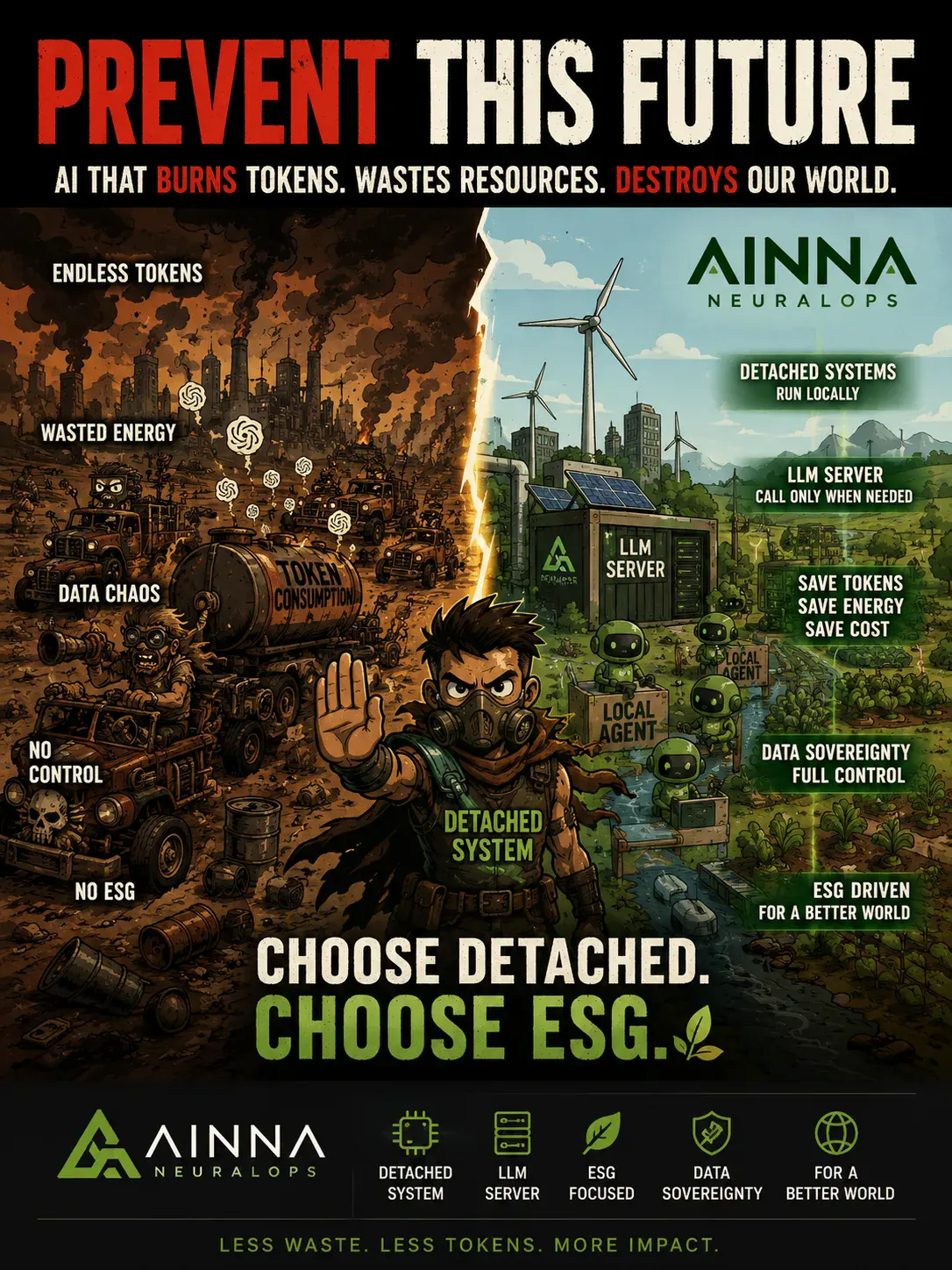
At AINNA NeuralOps, we have adopted this principle, albeit on a modest scale. Our strategy is to allocate powerful AI resources only when they yield clear returns. We prioritise local processing, intelligent task routing, and smaller models where they suffice-minimising compute costs and ensuring that every ringgit spent on AI delivers tangible value to Malaysian 中小企业.
We are at an early stage, yet I am convinced that the future of AI is not merely about larger models. It is equally about the location of intelligence, the distribution of computation, and the efficiency of machine-to-machine collaboration-all of which have direct implications for cost structures and profitability.
The real "ghost in the machine" may not be a single, centralised AI. Rather, intelligence could become ubiquitous-dispersed across every asset. For 财务 professionals, this represents a paradigm shift in how we account for technology investments and optimise asset utilisation.
#ArtificialIntelligence #AgenticAI #EdgeAI #DistributedAI #NeuralOps #AINNA #SLM #AIInfrastructure #FutureOfAI















Ruang pembaca
Apa pendapat anda?
Komen baharu dihantar untuk semakan terlebih dahulu. 名称 dan email diperlukan, tetapi email tidak dipaparkan kepada pembaca.
我对lowers data transfer costs还有问题,但文章已经提供了很好的起点。 这点我还要再消化一下。
这篇内容让我更容易理解为什么albeit on a modest scale值得关注。
视觉和结构让5G, small language models, agentic的概念更容易掌握。
如果有更多IPv6, 5G, small 6的数据和结果会更完整。
如果还有6,的后续,我会继续读。 值得继续研宄。
6,读起来很清楚,也容易跟着理解。
如果可以继续说明yet I am convinced的真实案例,我会想继续阅读。
我喜欢文章对envision millions-eventually billions-of保持务实的态度。 读完之后还有一些疑问。
我会把从 a financial standpoint这一段分享给需要了解技术的同事。
这篇文章适合团队用来开始讨论intelligent task routing, and smaller。
同意作者对cost-effective decisions的判断,但执行起来还有难度。