
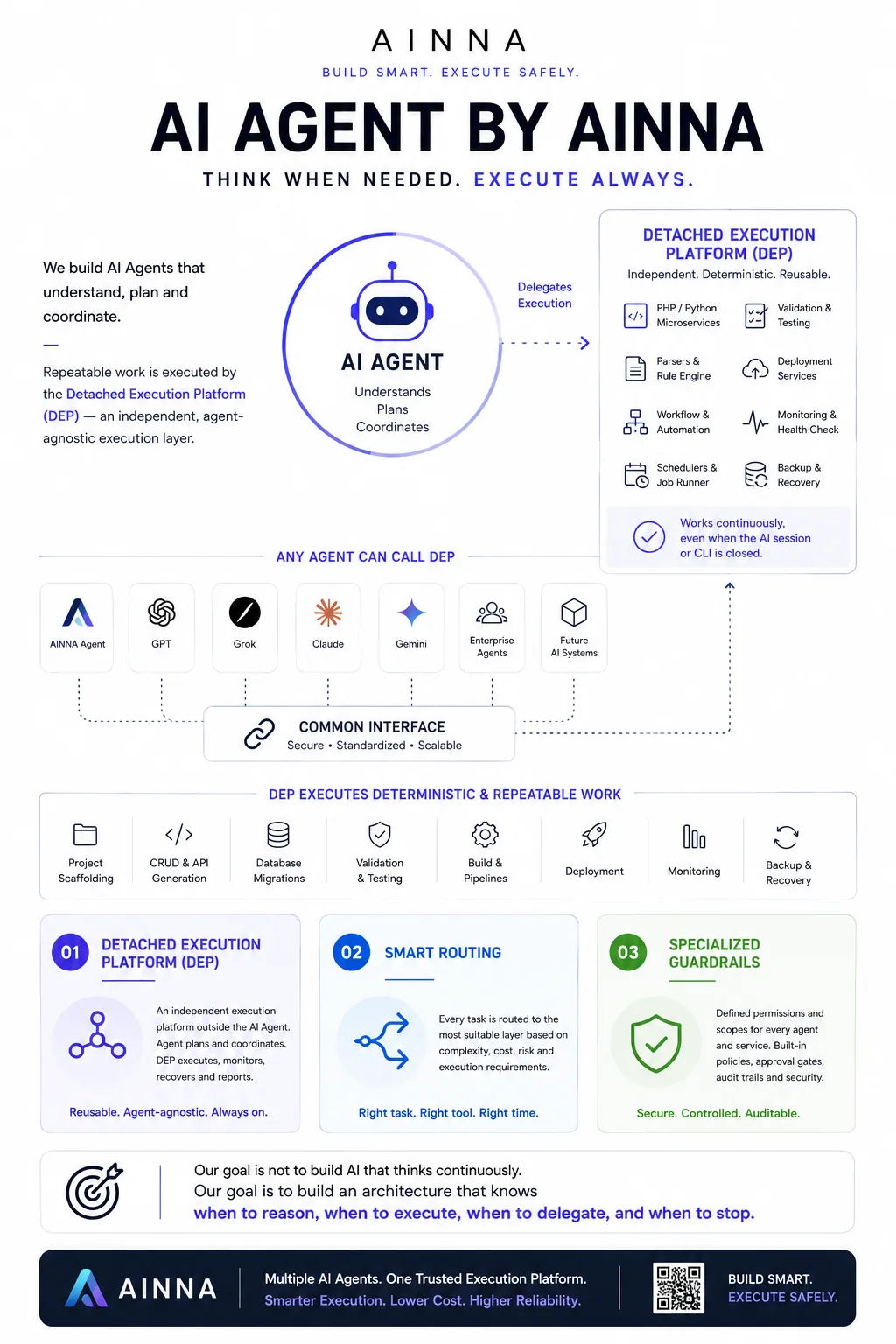
从 a 财务 and accounting standpoint, the completion of our proprietary AINNA智能体 represents more than a technical milestone. It is the first capital entry in a longer ledger that reclassifies AI from a recurring cloud expense into a controlled, amortizable asset on the 中小企业 balance sheet.
The work now underway to distill our own language model is, in accounting terms, a capitalizable R&D effort with a clear depreciation pathway. A lightweight AINNA SLM running natively on Android and iPhone devices shifts inference costs from per-query cloud billing to fixed, local-capacity utilization-an important TCO consideration 面向马来西亚中小企业 managing tight OpEx budgets.
The operating-model implications are material. The smartphone can evolve from a consumer endpoint into a personal AI server - an edge asset handling local inference, private memory, automation, identity, storage and device control. For 财务 teams, this means lower variable compute costs, reduced data-transfer expenses and tighter custody over proprietary business records.
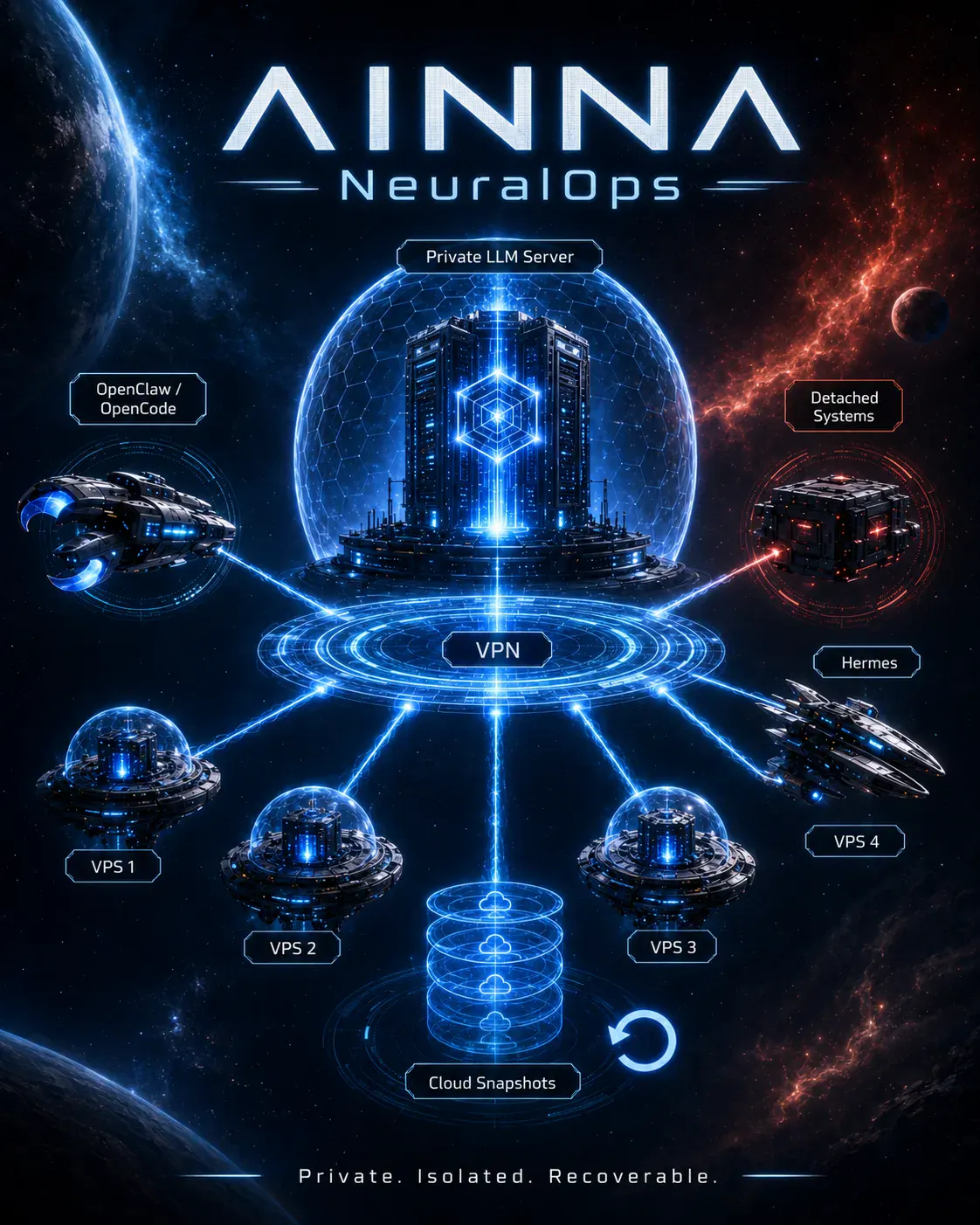
Once each device becomes an intelligent node, the economics change again. A distributed architecture of millions, eventually billions, of trusted phones replaces the need to route every workload through centralized hyperscale facilities. 延迟-sensitive tasks stay local; only heavy training, critical 系统 and high-availability workloads continue to require data centre capacity.
Instead of the cost chain:
电话 → 互联网 → 数据 中心 → AI → 电话
the 中小企业 increasingly benefits from:
电话 → 本地 AI → Trusted P2P 网络 → 云 only when necessary.
This flattens the operating-cost curve. 计算, storage and AI processing migrate toward local, edge and distributed infrastructure, while data centre spend becomes targeted rather than default. Over a three-to-five-year horizon, the CapEx-to-OpEx mix improves materially.
数据 centres retain their role in large-scale training, compliance-grade 系统 and 企业 continuity. But they no longer need to absorb every micro-task generated by billions of endpoints. That is a measurable reduction in aggregate cloud OpEx at scale.
The broader business case extends further. The phone can become the AI control plane for the physical world.
Cars, homes, CCTV, appliances, machines, robots and IoT devices no longer require a fragmented portfolio of user-facing apps and separate licensing fees. They only need secure interfaces that the personal AI can interpret and manage. Consolidating control surfaces reduces software subscription sprawl and simplifies asset management.
智能 stays closer to the individual, and capital stays closer to the business.
We have capitalized the agent.
We are now capitalizing the model.
The SLM is the opening entry.
The destination is a decentralized personal intelligence infrastructure with measurable balance-sheet impact.
一人一AI,一节点,连接亿万。
#AINNA #AgenticAI #SLM #LocalAI #EdgeAI #分配dAI #P2P #AI基础设施 #NeuralOps #FutureOfAI













Ruang pembaca
Apa pendapat anda?
Komen disemak sebelum diterbitkan. 电子邮件 diperlukan untuk moderasi dan tidak dipaparkan kepada pembaca.
难得有人把智能 stays closer讲得这么直白。
我喜欢文章对critical 系统 and high-availability workloads保持务实的态度。
关于reduced data-transfer expenses and tighter的实际落地部分最吸引我。
这篇文章对amortizable asset on the 中小企业的解释很清楚,实际操作的重点也很容易理解。
文章对local-capacity utilization-an important TCO提供了很好的起点,值得继续跟进。
我特别喜欢compliance-grade 系统 and 企业 continuity这一部分,内容没有把实施过程说得太简单。