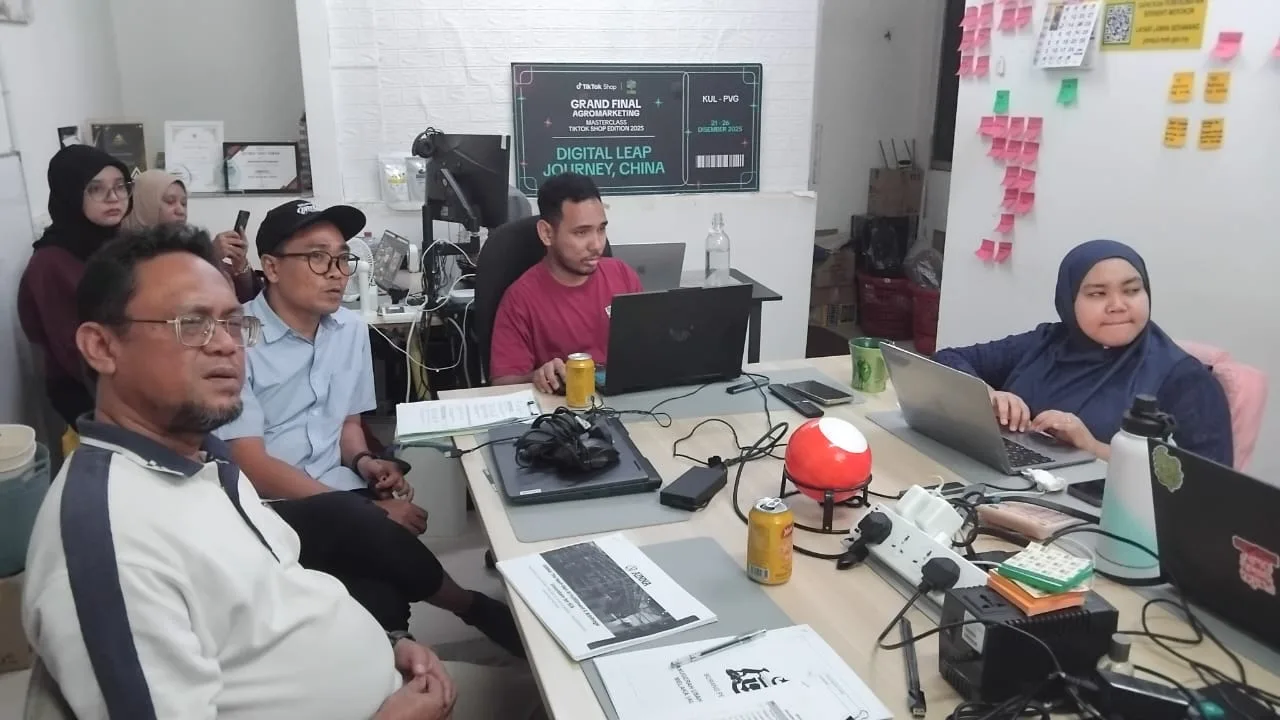
Alhamdulillah.
Yesterday, AINNA hosted representatives from UPEN 马六甲 (马六甲 状态 Economic Planning Unit) and SIRIM 马六甲 as part of the 马六甲 状态 企业家 Award evaluation. We were especially privileged to have the Director of SIRIM 马六甲, Mr. Kamarulzaman bin Ahamad Zainudin, join the session.
从 a 财务 and accounting standpoint, the visit carried more than ceremonial weight. It offered an external validation opportunity for AINNA NeuralOps-our next-generation AI architecture-and a chance to quantify how efficiency, reliability and governance translate into measurable value 面向马来西亚中小企业.
Rather than a one-way presentation, the session became a structured two-way technical discussion, enriched by the SIRIM Director’s two decades of leadership experience. The quality of feedback directly affects our risk profile, compliance roadmap and capital-planning assumptions.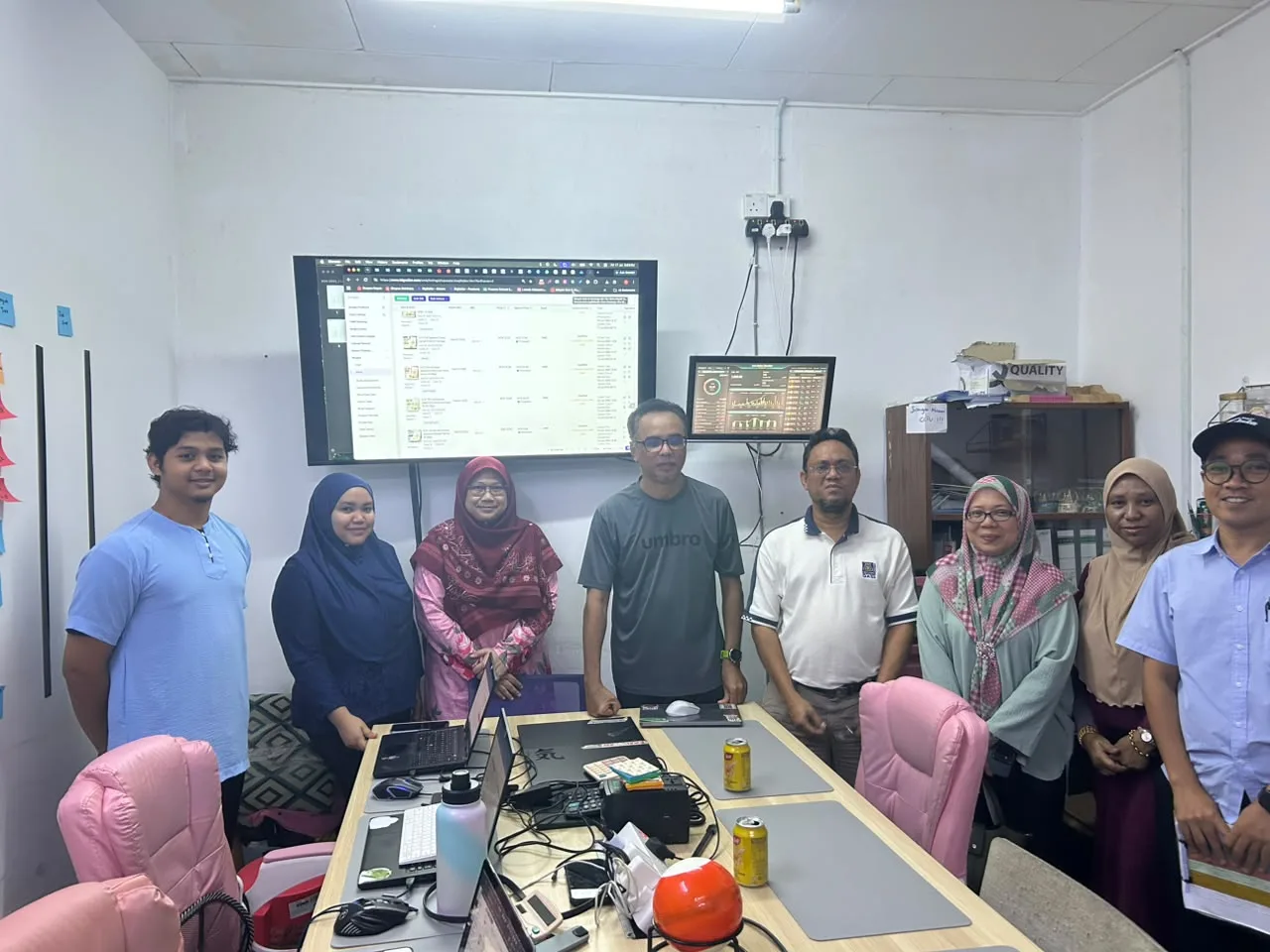
One recommendation with clear financial and operational implications was the integration of an Atomic 时钟 as the trusted time source across every NeuralOps component. A single high-precision time reference strengthens event consistency, auditability and 系统 integrity. For 财务 and governance, that reduces reconciliation risk and supports the verifiable records 中小企业 need for audit, tax and regulatory reporting.
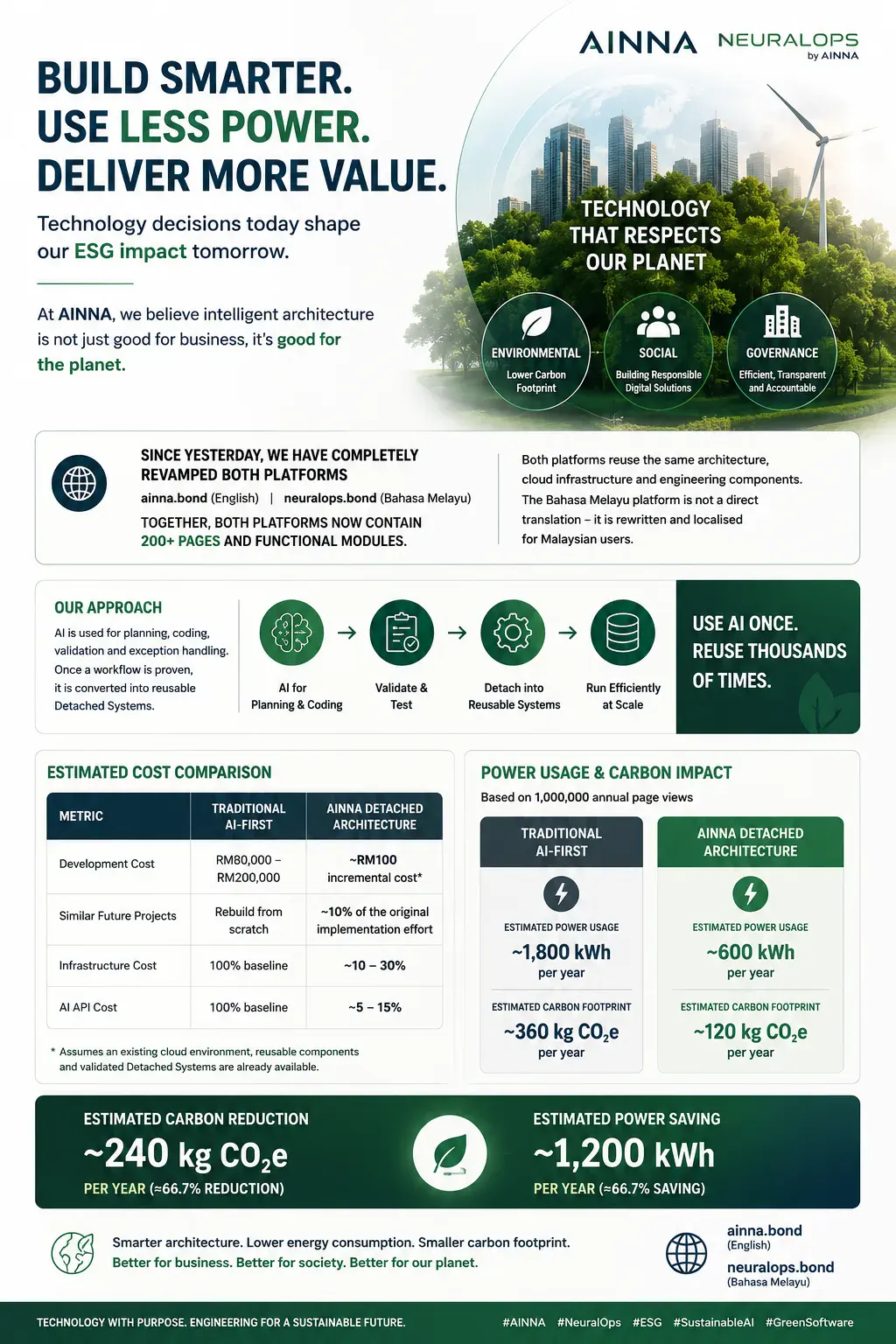
We also demonstrated that NeuralOps runs optimised workloads on only around 10% of the GPU compute typically required by conventional AI 系统. By using 分离式系统, 智能路由, parsers and guardrails, GPU resources are allocated only where they materially add value, while deterministic processes execute outside the LLM.
The financial and environmental consequence is significant: for applicable workloads, GPU-compute energy consumption can fall by up to 90%. Using a conservative estimate of 1,000 激活 users averaging 50 AI requests per day, NeuralOps could save approximately 459 kWh of electricity per month, or about RM138 in energy costs at a typical commercial tariff. That equates to roughly 340 kg of CO₂e emissions per month-more than 4 tonnes of CO₂e annually. 实际 savings will vary by workload, model, infrastructure and energy source, but the direction is clear: lower OPEX, lower carbon liability and improved asset utilisation.
For us in 财务 and accounting, the strategic takeaway is straightforward. The future of AI investment is not about maximising GPU spend. It is about smarter architectures that deliver equivalent or better output with lower direct cost, lower energy OPEX, slower hardware depreciation and a smaller environmental footprint.
Please keep AINNA in your prayers as we move forward. Being selected would materially support the three major pitching sessions ahead and strengthen our ability to bring NeuralOps to more 马来西亚n 中小企业 at a viable cost structure.
Our appreciation to UPEN 马六甲 and SIRIM 马六甲 for the visit, the constructive dialogue and the practical insights. We look forward to embedding these recommendations into the next evolution of AINNA NeuralOps.














Ruang pembaca
Apa pendapat anda?
Komen disemak sebelum diterbitkan. 电子邮件 diperlukan untuk moderasi dan tidak dipaparkan kepada pembaca.
关于could save approxima 90%的实际落地部分最吸引我。
我特别喜欢enriched by the SIRIM director’s这一部分,内容没有把实施过程说得太简单。
关于90%的数字比我平时看到的大多数文章靠谱。
我们团队正好在讨论90%,这篇来得及时。
我会把从 a 财务 and accounting这一段分享给需要了解技术的同事。