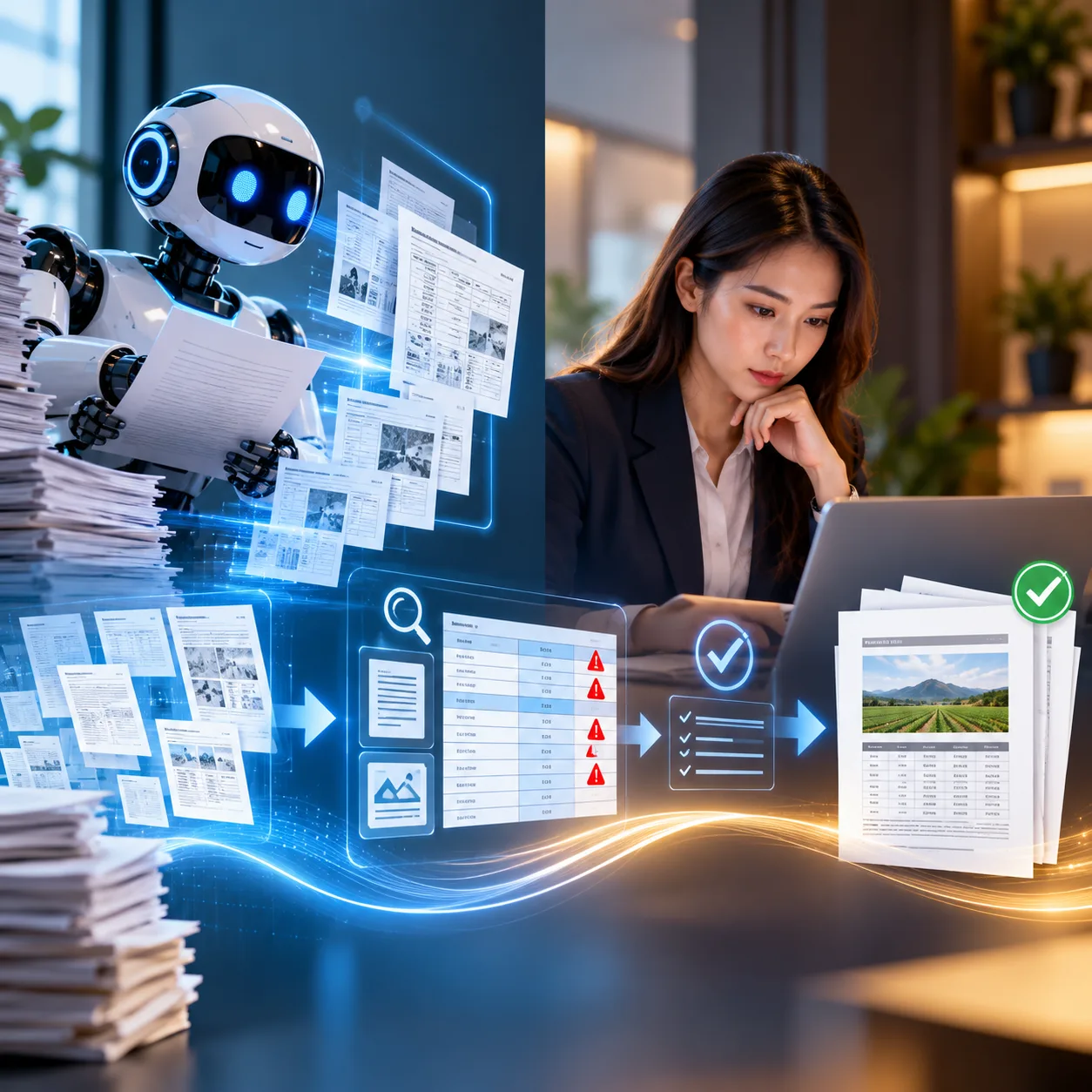
从 an engineering standpoint, AI only pays off when it strips friction out of 实时 operational work. The main opportunity isn't another chat window, content generator, or Q&A endpoint. It's wiring inference directly into the workflow where repetitive work is actually running.
In document-heavy pipelines, I wire models in to read and interpret files, extract structured fields, flag missing data, catch inconsistencies, compare reports, and stage summaries. That lets teams spend less time on manual checking, copying, and formatting.
But I don't let AI run without control. The stronger pattern is AI-assisted, human-已验证: models handle repetitive analysis, the platform enforces rules and schemas, and humans stay responsible for final judgement, correction, and approval.
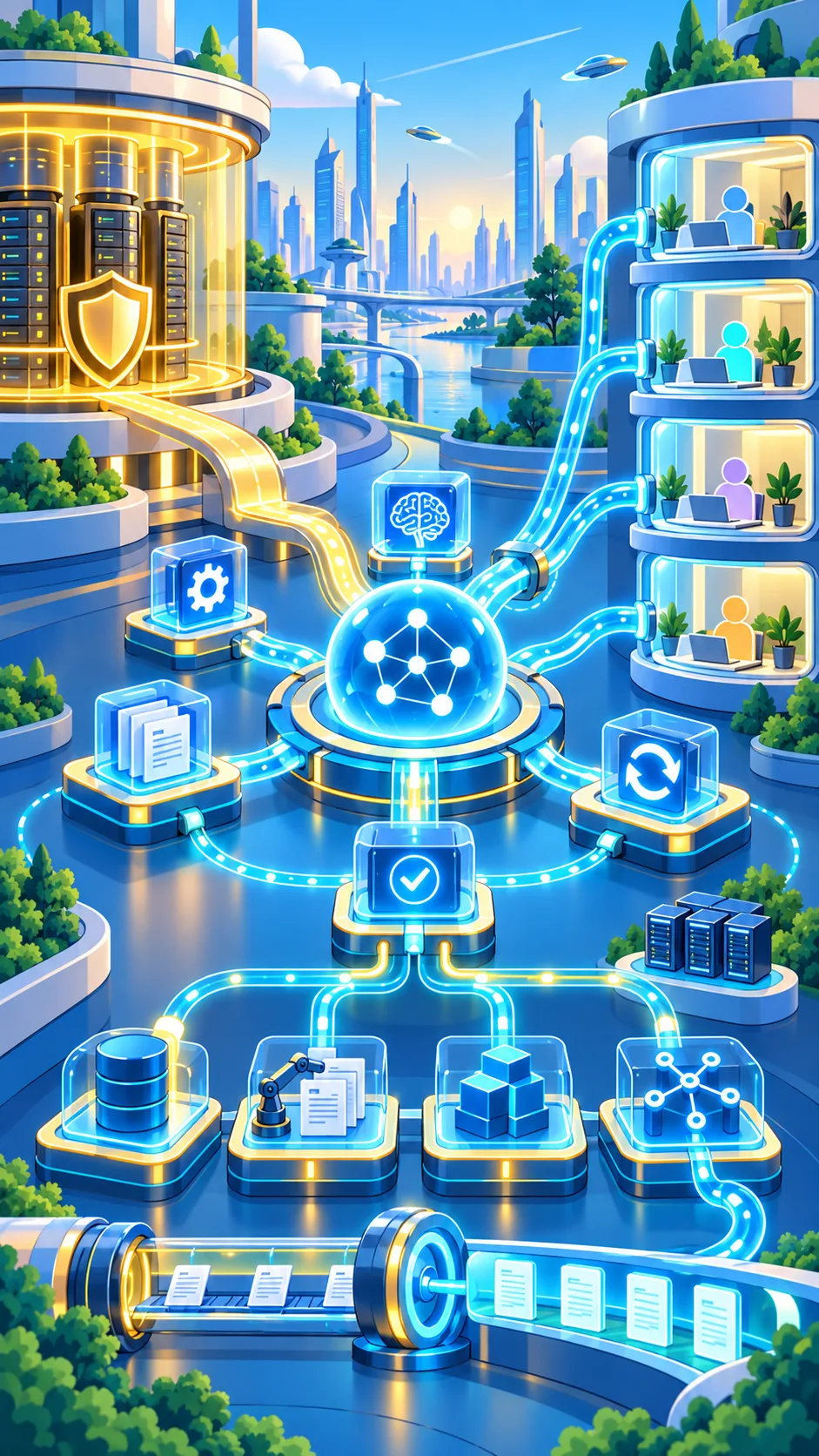
Once the model is connected properly to the workflow, it stops being just a chatbot. It becomes part of the operational infrastructure, working alongside databases, parsers, reporting 系统, automation, and business rules to produce a reliable outcome.
The real value of AI isn't how much text it can generate. It's how much manual work it removes, how much faster a team reaches a usable result, and how consistently that result can be produced in production.















Ruang pembaca
Apa pendapat anda?
Komen disemak sebelum diterbitkan. 电子邮件 diperlukan untuk moderasi dan tidak dipaparkan kepada pembaca.
如果有更多document-heavy的数据和结果会更完整。
这篇内容让我更容易理解为什么it's wiring inference directly into值得关注。
文章对document-heavy提供了很好的起点,值得继续跟进。
这篇文章适合团队用来开始讨论document-heavy。
如果可以继续说明it's wiring inference directly into的真实案例,我会想继续阅读。
文章对it's wiring inference directly into的结论比较平衡,不只是强调好处。
我喜欢文章对it's wiring inference directly into保持务实的态度。
总结部分让it's wiring inference directly into的重点更加清楚。