Keeping an ISO 系统 running is usually harder than getting it certified in the first place. After the certificate is on the wall, the real work continues: records must stay current, procedures get reviewed, corrective actions 已跟踪, risks watched, audit evidence prepared, and day-to-day operations kept aligned with ISO requirements.
从 the field, the problem is rarely intention. It is wiring. Documents sit in different folders, evidence lives in emails or spreadsheets, and follow-through gets pinned on specific people. 时间 the audit window opens, teams scramble to assemble what should have been maintained continuously.
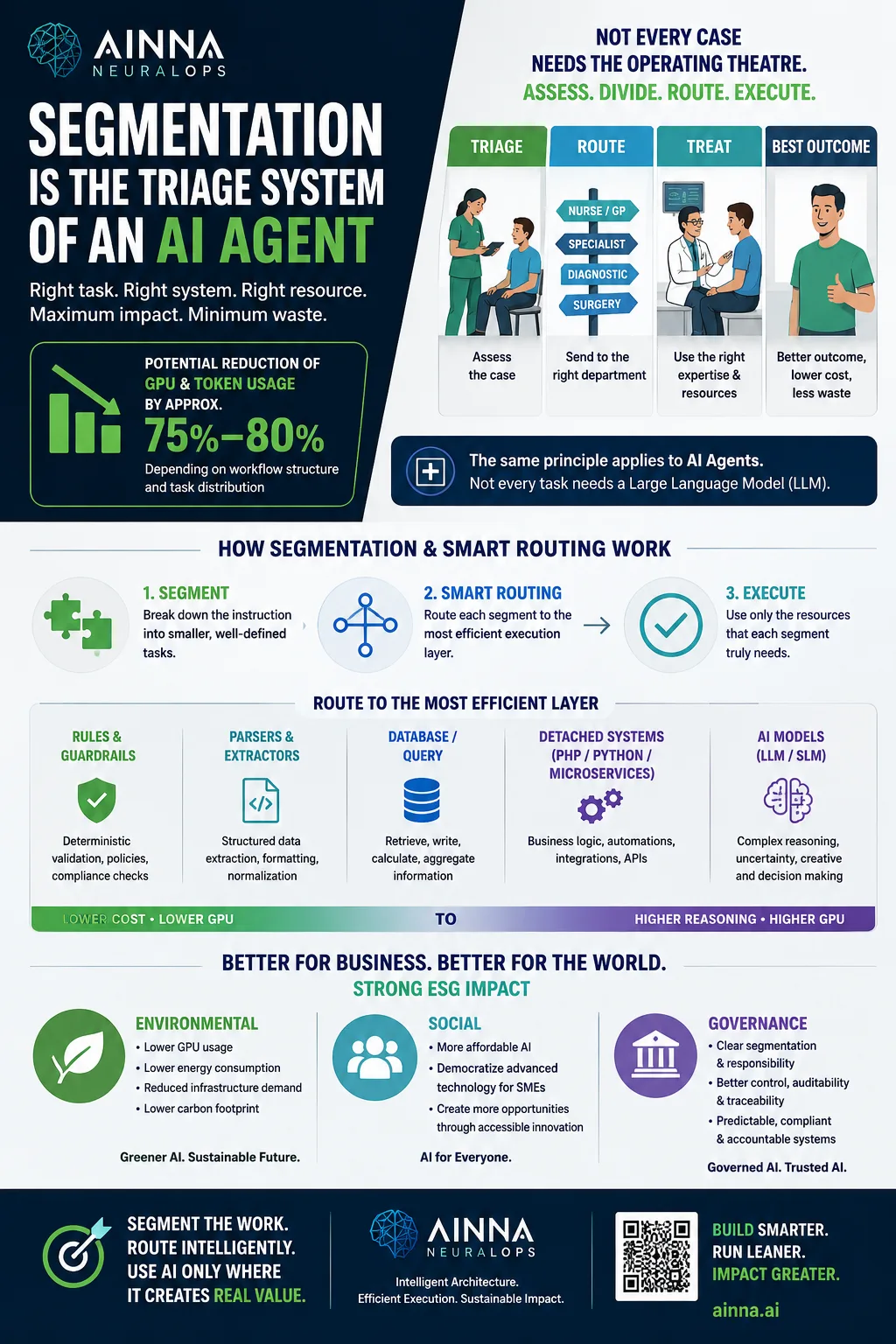
AI can help here, but only if it is architected correctly. The wrong 设计 is a monolithic model that is asked to read everything and reason across the whole 系统 at once. The right 设计 is a detached 系统: ISO operations broken in聚焦ed modules, each with its own bounded context.
ISO modules that should be detached:
文档 control
内部 audit
CAPA
训练 records
风险 register
管理 review
运行中 evidence
SOP review
This segmentation changes how the model consumes context. 时间 the task is CAPA, the AI only loads CAPA context. 时间 the task is document review, it stays inside document control. Less noise, fewer 令牌, faster inference, lower run cost, and a much clearer operational boundary for the model.
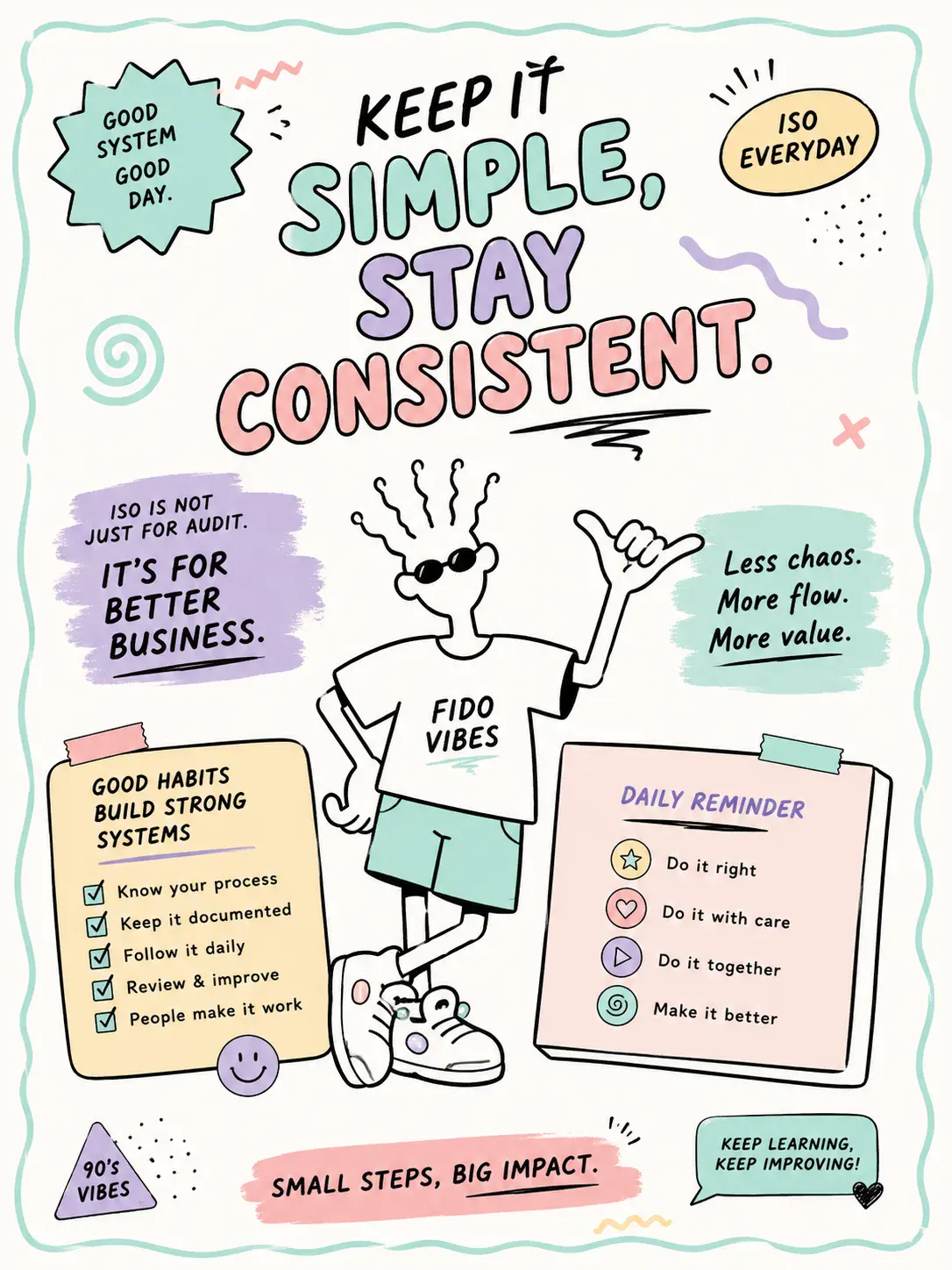
AI will not replace auditors, consultants, or management accountability. Its job is to keep the 系统 consistent between audits. With detached modules, tight guardrails, and controlled token budgets, ISO maintenance becomes less scattered, less reactive, and easier to run as part of normal operations.