
One shift I am monitoring closely from a financial perspective is the rise of lightweight but capable AI models such as DeepSeek V4 Flash. For years, infrastructure automation has followed a costly pattern: if a task needs to run repeatedly, we build a permanent mechanism around it - systemd, cron, daemon, supervisor, detached processes, or a dedicated monitoring stack. That architecture ensures production-grade reliability, but it also locks in recurring operational expenditure. Not every operational task justifies that permanent investment.
For temporary server monitoring, deployment observation, migration, backup verification, incident investigation, or short maintenance windows, an AI agent can now operate as a temporary intelligent layer. It does not replace deterministic monitoring; it adds contextual interpretation. Instead of simply reporting “CPU 91%”, an agent can correlate CPU spikes, container behaviour, application errors, database timeouts, and HTTP 503 responses, then explain what is likely happening before an engineer intervenes. This reduces the need for always-on monitoring infrastructure and the associated costs.
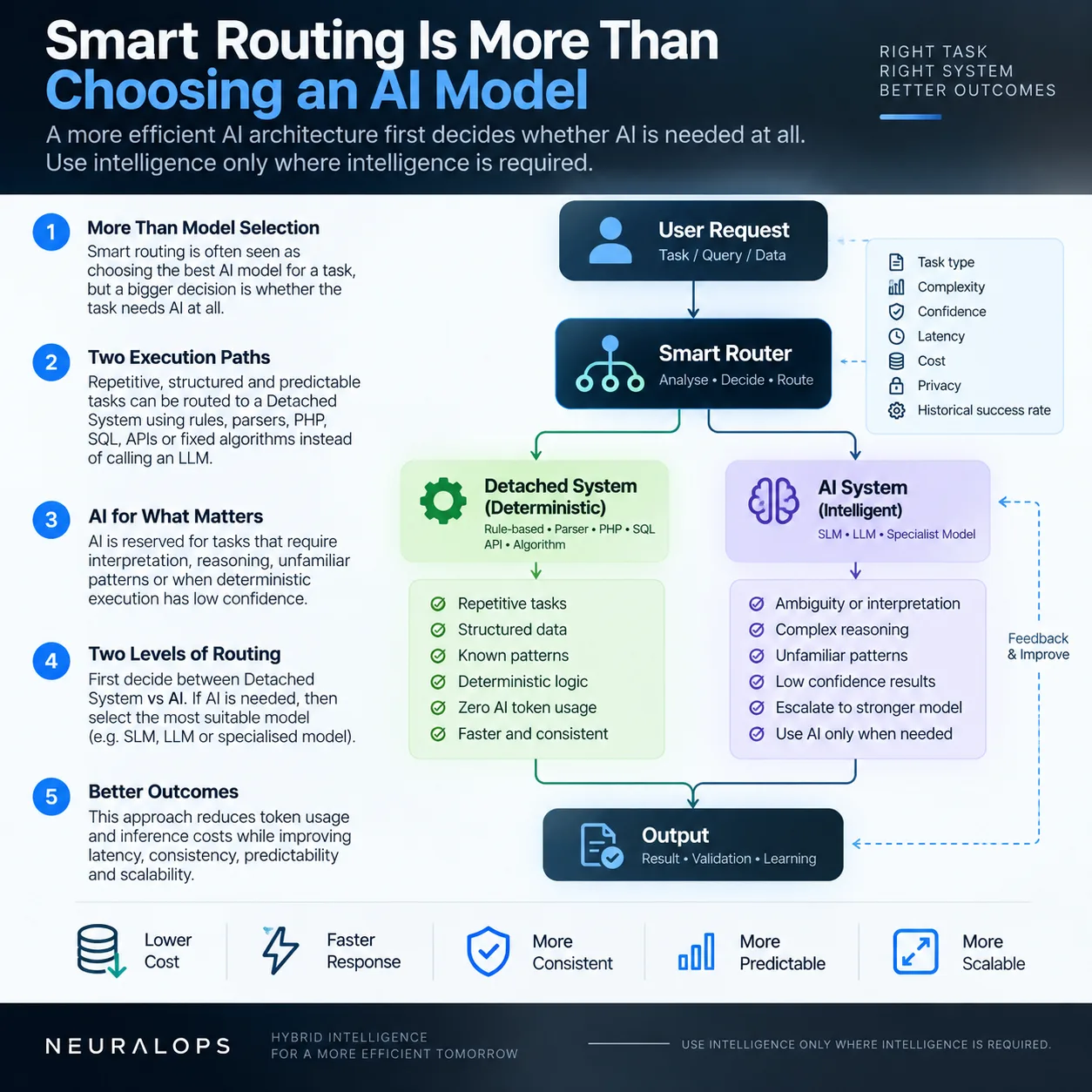
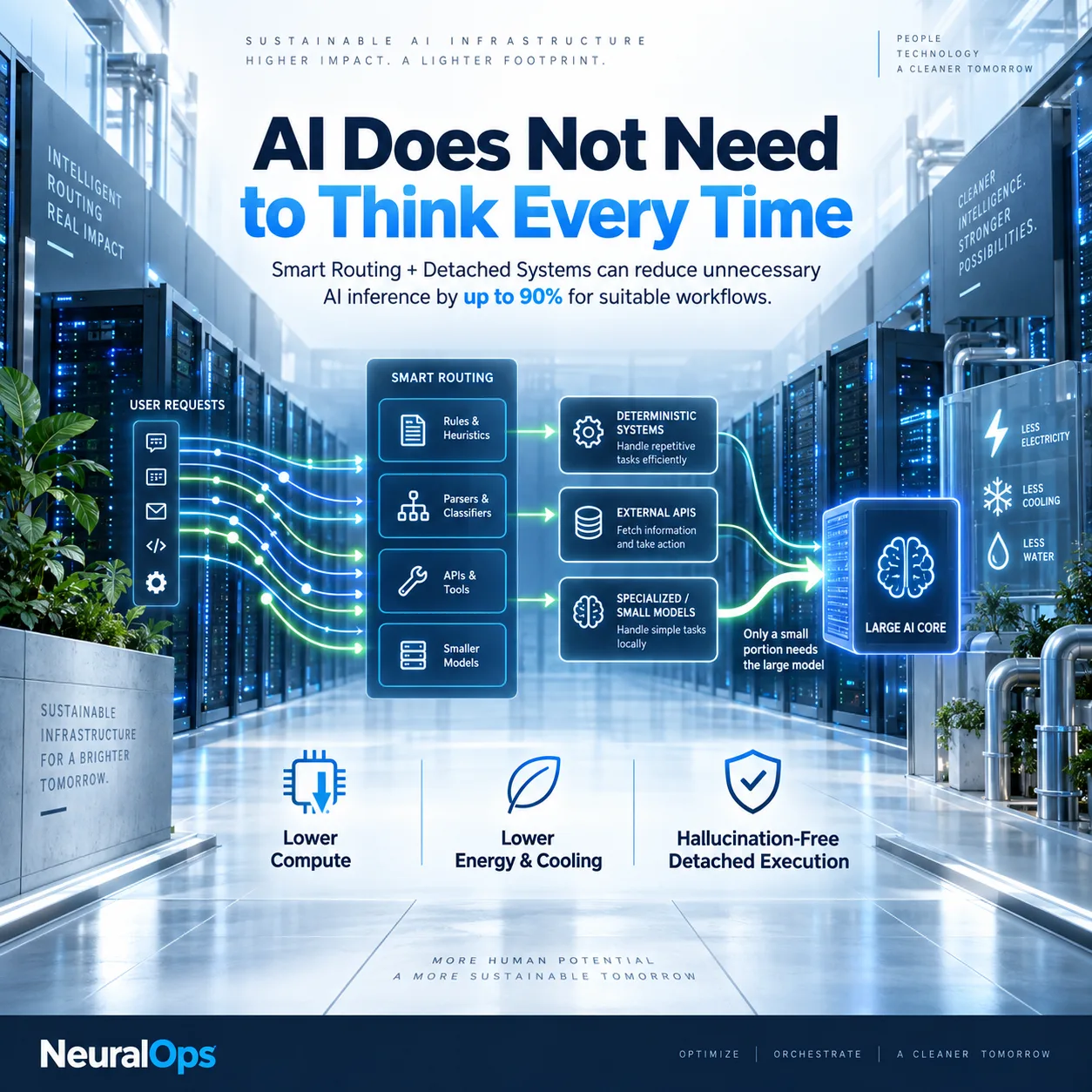
从 my accounting standpoint, the distinction is becoming clearer: detached 系统 provide the reliability layer, while lightweight AI 智能体 provide the interpretation and on-demand action layer. Sometimes the requirement exists only for the next 30 minutes, two hours, or one deployment cycle. In those cases, building another permanent service or automation rule is an unnecessary capital outlay. The ability to spin up intelligence on demand aligns operational spending with actual usage.
This is where 中小企业 economics become compelling. A small business may not justify another monitoring platform, additional infrastructure, or dedicated technical headcount for occasional operational tasks. If a lightweight agent can handle temporary monitoring, log triage, and first-level diagnosis using existing infrastructure, the cost per operational task drops significantly. One technical team can supervise more servers, more customers, and more deployments without a proportional increase in manpower-directly improving the cost-to-revenue ratio for the 中小企业.
That directly transforms unit economics for an AI infrastructure provider like AINNA. A customer paying RM100 or RM300 per month is difficult to serve profitably if every incident requires manual engineering time. But if routine observation and preliminary diagnosis can be handled at a low marginal inference cost, while human engineers focus only on exceptions, the model becomes highly scalable. 营收 can grow faster than operational cost, improving gross margins and enabling sustainable growth.
This is not about replacing infrastructure engineering with AI. It is about making infrastructure more adaptive, lower-friction, intent-driven, and economically scalable. For a 财务 professional, the appeal is clear: we can deliver more value per ringgit spent, both for our customers and for our own operations.
I see this emerging as a 新 operational category: On-需求 AI 运营. It is a category that promises to redefine how we allocate technology budgets and 测量 operational efficiency.
The next infrastructure advantage may not come from deploying more permanent 系统. It may come from knowing which tasks no longer need one-and how much that changes the cost of serving each customer. That is the kind of insight that drives better financial decisions.
#AIOps #AIAgents #DeepSeek #基础设施 #DevOps #自动化 #LocalAI #EnterpriseAI #中小企业 #UnitEconomics















Ruang pembaca
Apa pendapat anda?
Komen baharu dihantar untuk semakan terlebih dahulu. 名称 dan email diperlukan, tetapi email tidak dipaparkan kepada pembaca.
还在消化9这一段。
先存起来,主要是为了9。 这个部分我还需要再想一下。
这篇文章适合团队用来开始讨论incident investigation, or short maintenance。
文章把additional infrastructure, or dedicated和日常运营联系起来,这一点很有帮助。
难得有人把two hours讲得这么直白。 读完之后还有一些疑问。
如果可以继续说明detached 系统 provide the reliability的真实案例,我会想继续阅读。
同意作者对and HTTP 503 503的判断,但执行起来还有难度。
我喜欢文章对deployment observation, migration, backup保持务实的态度。
总结部分让systemd, cron, daemon, supervisor, detached的重点更加清楚。 值得继续研宄。
看第二遍才注意到reporting “CPU 9 91%的细节。
我特别喜欢container behaviour, application errors这一部分,内容没有把实施过程说得太简单。
这篇内容让我更容易理解为什么log triage, and first-level diagnosis值得关注。 读完之后还有一些疑问。
如果有更多infrastructure automation has followed的数据和结果会更完整。