
If your team is exhausting premium-model quotas before the seventh day, the token count is not the real problem.
It is a unit economics and architecture problem.
What needs to change is how you allocate spend across your models.
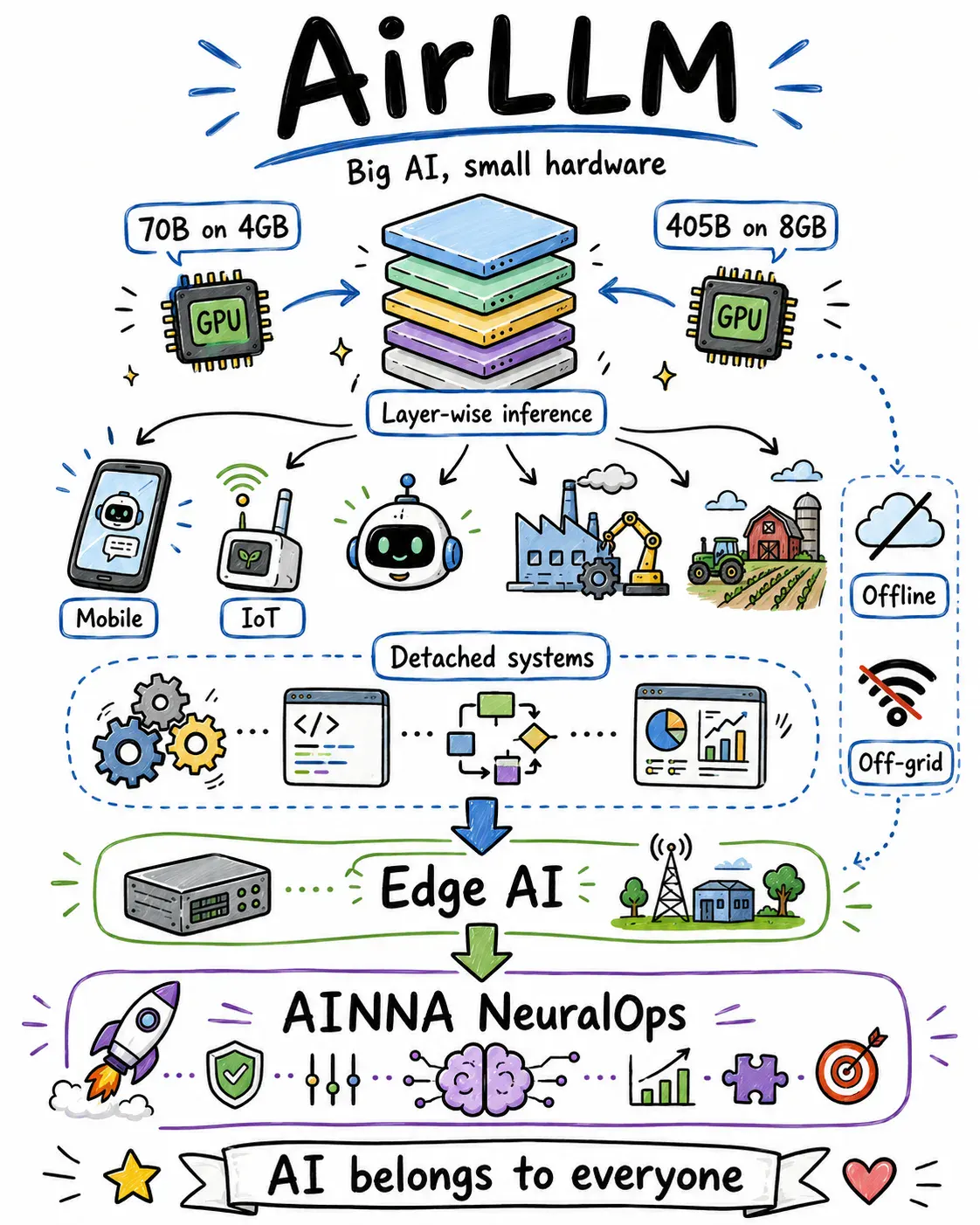
For us at AINNA, ChatGPT Pro + Ollama has proven to be the most practical combination. We route the bulk of the workload - development, distillation and building detached 系统 - to efficient models like Luna and DeepSeek V4.1. The premium models come in only for final audit, validation and direction, which is precisely where they earn their cost back.
In a single month, we delivered 25 detached 系统, nearly half of them already app-based, and development throughput is now roughly 3× faster - a multiplier that shows up directly in our cost per output.
We also built our own AI agent with 智能路由 capabilities, alongside a web-based 命令行 and a Telegram protocol. In accounting terms, these are internal assets we own, not recurring fees paid out to someone else.
总计 AI运营成本? Around RM200/月 sahaja.
And this is not limited to development. Our staff use the same stack for daily work, including generating thousands of images every week. Because the cost is shared across teams, the per-unit economics only improve as usage grows.
So the interesting part is not only the lower AI cost.
It is what happens when model routing, internal agents and detached 系统 start becoming your own infrastructure - instead of one expensive model carrying every function for everything.
Maybe the 令牌 no longer get tired. These 天数 it is the GPU that is fed up watching us. He he he.
为合适的任务选用合适的模型. 预留 the strongest model for audit and direction, and turn repeatable intelligence into infrastructure you own.
















Ruang pembaca
Apa pendapat anda?
Komen disemak sebelum diterbitkan. 电子邮件 diperlukan untuk moderasi dan tidak dipaparkan kepada pembaca.
关于validation and direction的实际落地部分最吸引我。
这篇文章把premium-model讲得比一般的AI介绍更具体。
关于alongside a web-based 命令行的例子很实用,适合团队继续讨论。
文章对internal agents and detached 系统的结论比较平衡,不只是强调好处。