Artificial 智能 is already entering almost every industry. But the real challenge is no longer whether companies should use AI.
The bigger question is:
How do we make AI reliable, cost-efficient, secure, measurable and useful in real operations?
This is where I see the role of NeuralOps.
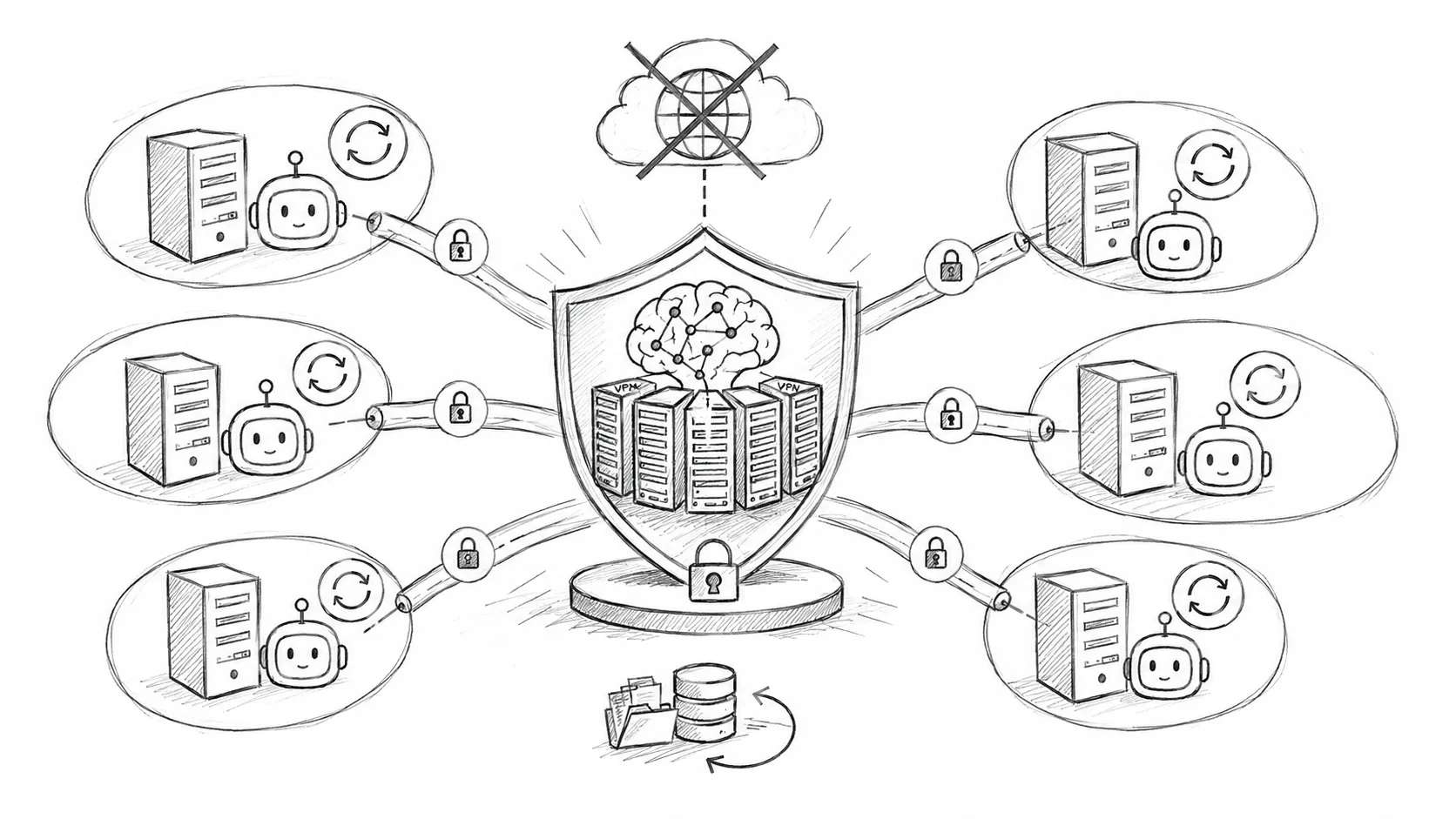
NeuralOps is not about replacing every existing 系统 with AI. It is about combining AI 智能体, deterministic systems, databases, automation, specialised models, APIs and human governance into one coordinated operational architecture.
The principle is simple:
Use AI where intelligence 是必需的. Use deterministic systems where certainty is required.
In retail and e-commerce, NeuralOps can support inventory monitoring, customer service, marketplace analytics, affiliate management, product content, advertising analysis and financial reconciliation.
In 财务 and accounting, it can assist with bank statement processing, transaction classification, financial reporting, anomaly detection, cash-flow monitoring and management reporting.
In healthcare, NeuralOps can support appointment workflows, administrative operations, medical knowledge retrieval, hospital websites, internal document management and operational dashboards-while keeping clinical decisions under professional medical governance.
In manufacturing, AI 智能体 can work alongside production databases, machine sensors and maintenance records to support predictive maintenance, quality control, anomaly detection and production optimisation.
In agriculture, NeuralOps can combine drones, sensors, weather information and environmental data for crop monitoring, irrigation optimisation, pest detection and yield forecasting.
In logistics and supply chain, specialised agents can monitor inventory, warehouse operations, delivery performance, procurement, supplier performance and demand patterns.
In education, NeuralOps can support personalised learning, adaptive assessment, research assistance, academic analytics and administrative automation.
In environmental monitoring, the same architecture can connect AI with drones, sensors, satellite communications and distributed monitoring systems for forests, biodiversity, wildlife, water quality, flood detection and search-and-rescue applications.
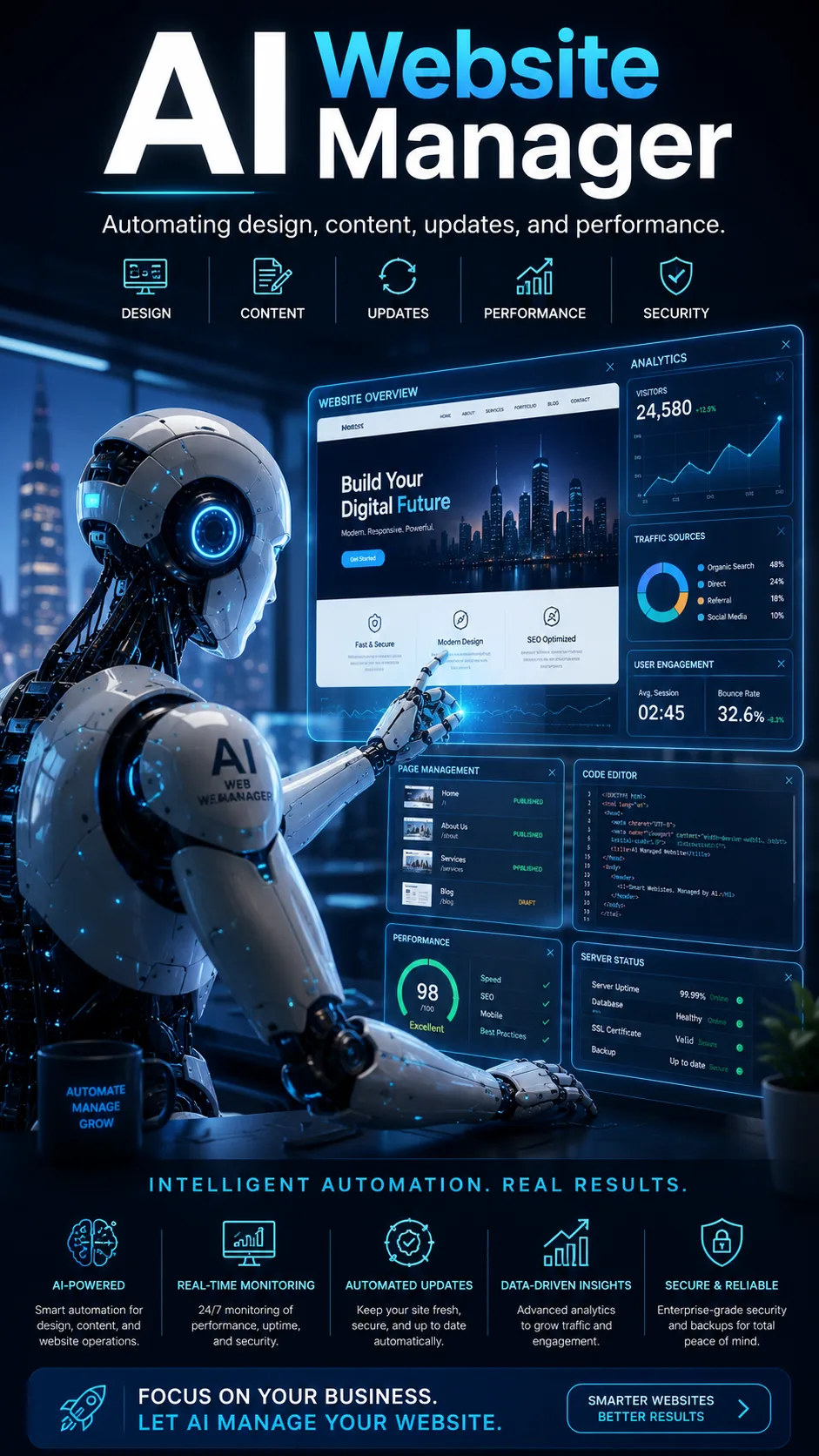
Even inside IT and cybersecurity, organisations can deploy specialised AI 智能体 functioning as an AI IT经理, 服务器 Administrator, Developer or 安全 Analyst-each operating within clearly defined permissions and responsibilities.
The bigger idea is that the future may not be one massive AI model controlling everything.
It may instead be an ecosystem of:
专业化 AI智能体 + 分离式系统 + Structured 数据 + 智能路由 + 人类 治理
This architecture also has an important ESG dimension.
Not every task requires the most powerful AI model. A simple database query should remain a database query. A deterministic calculation should remain deterministic. Lightweight tasks can use smaller models, while large models are reserved for complex reasoning.
The operating principle becomes:
Right 任务 → Right 系统 → Right Model → Right 计算
This reduces unnecessary token consumption, infrastructure cost and computational waste.
For me, this is the next stage of 企业 AI.
We are moving from AI experimentation to AI operations.
The organisations that succeed will not necessarily be those using the biggest models.
They will be those that know where AI should be used, where it should not be used, how it should be 受治理的, and how it can create measurable operational value.
That is the direction behind NeuralOps.
#ArtificialIntelligence #NeuralOps #AIAgents #AgenticAI #自动化 #DigitalTransformation #EnterpriseAI #Industry40 #ESG #创新 #科技 #AIInfrastructure