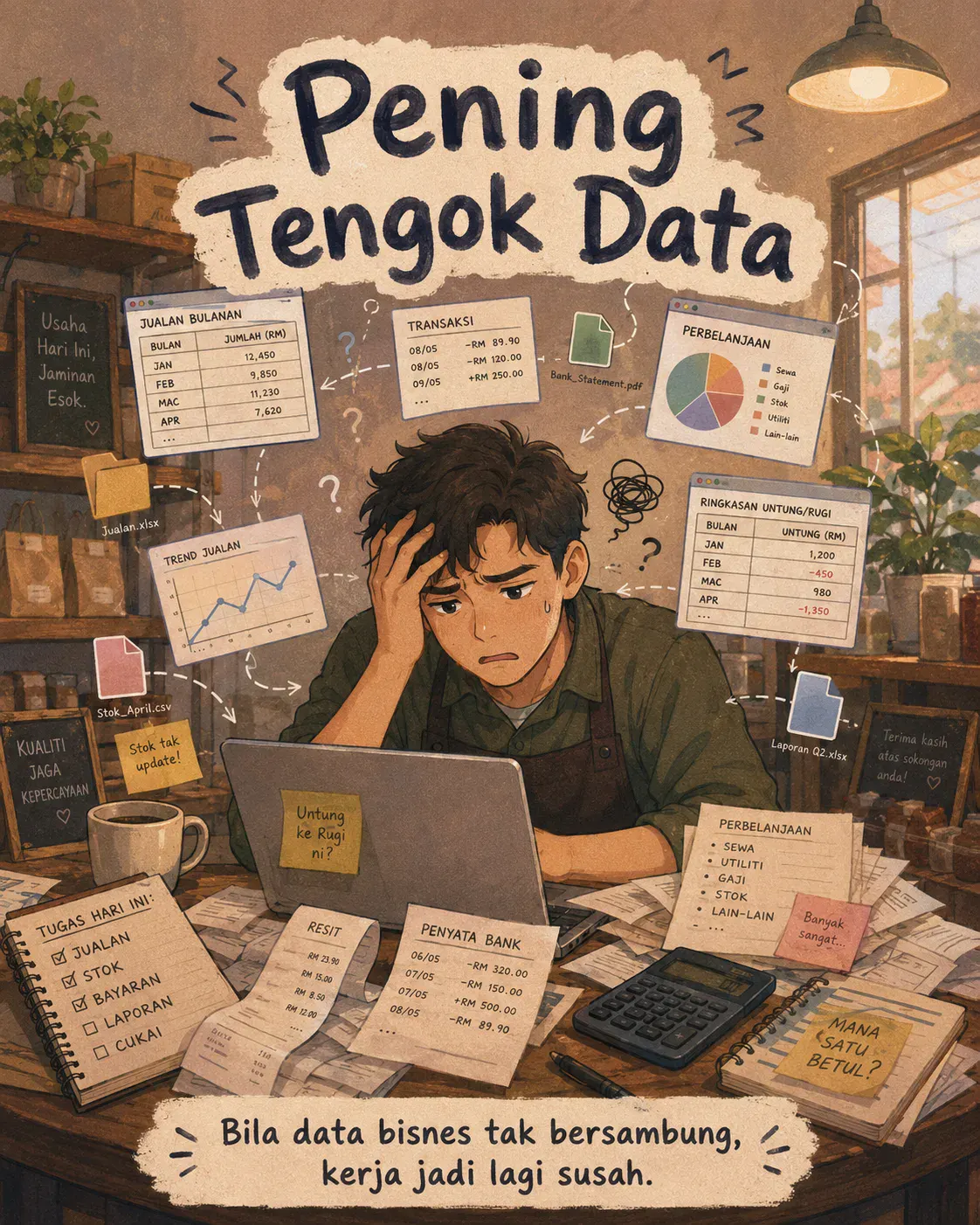
从 a 系统-integration standpoint, the biggest limitation most 中小企业 face is not data scarcity. It is that their data lives in disconnected sources, in unstructured formats, and is not normalized enough to drive daily operational decisions.
Take the bank statement. In theory, it should be a first-class input to the business-logic layer: cash-flow forecasting, transaction monitoring, sales reconciliation, expense tracking, and a real-time view of financial state. In practice, it is just another messy feed.
Every bank emits its own format. In the field we see PDFs, XLS exports, CSV dumps, scanned images, password-locked files, and inconsistent layouts. Some are machine-readable; others are visual documents that need OCR and layout extraction before any parser can touch them.
So the data exists, but it is not ingestion-ready. Someone still has to clean, transpose, reconcile debits and credits, validate running balances, and sometimes reconstruct transaction records by hand before the ledger makes sense.
That gap between raw banking feeds and business planning is what breaks cash-flow visibility. 时间 the ingestion layer has no standardized schema, dashboards lag, alerts miss, and owners fall back to spreadsheets and intuition.
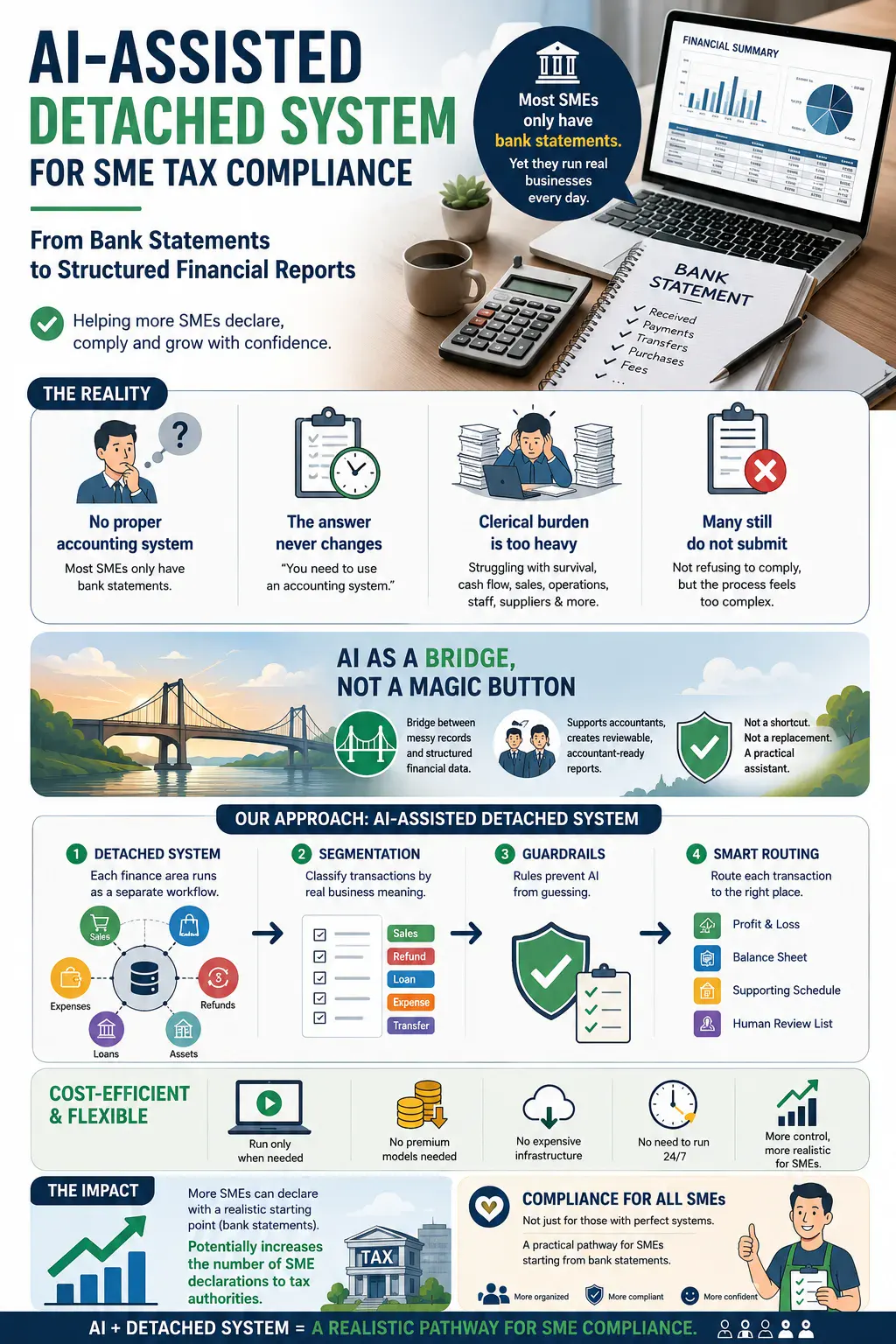
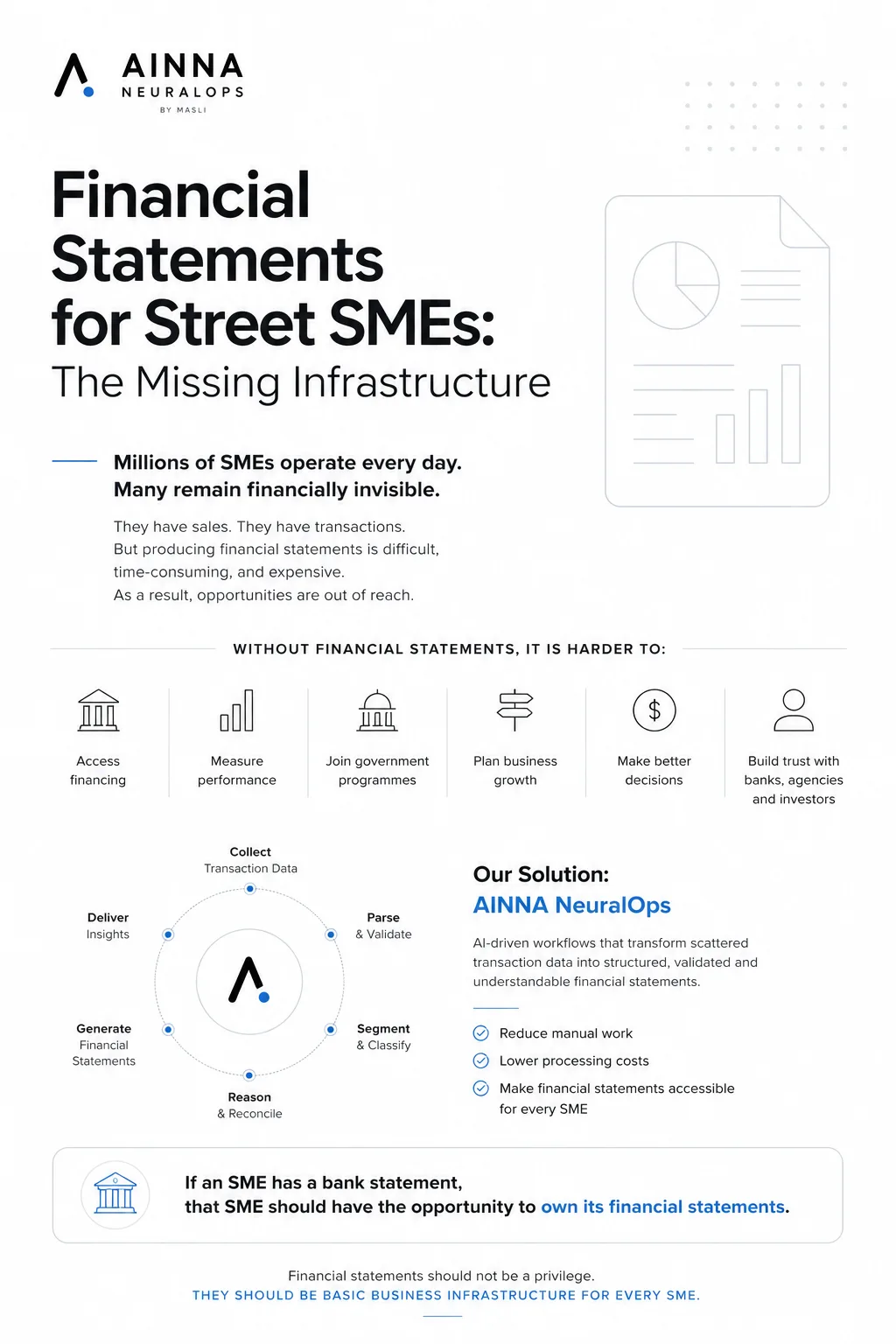
This is where a detached parsing service makes sense. Upload PDF, XLS, or CSV; the service normalizes it into a clean transaction schema that downstream validators, analytics, and export jobs can consume reliably. At AINNA, we treat bank statements the same way we treat sensor or device telemetry: as raw feeds that must be normalized before any AI or downstream business logic can consume them.
Architecturally, you do not route everything through an LLM or black-box model. 开始 with deterministic, rule-based parsers for known schemas. 预留 AI inference for 未知 formats, layout drift, or low-confidence extractions. That keeps latency down, cost low, behavior explainable, and audits straightforward.
中小企业 do not need theater-grade AI. They need a robust ingestion pipeline that answers simple questions accurately: what came in, what went out, what is the real balance, and what is the trend. A detached parser that handles format chaos and emits structured records does exactly that.
#中小企业 #BankStatement #DataParsing #会计 #自动化 #AI #DetachedSystem #DigitalTransformation #CashFlow #Ainna















Ruang pembaca
Apa pendapat anda?
Komen baharu dihantar untuk semakan terlebih dahulu. 名称 dan email diperlukan, tetapi email tidak dipaparkan kepada pembaca.
先存起来,主要是为了这个主题。
如果可以继续说明开始 with deterministic, rule-based parsers的真实案例,我会想继续阅读。 值得再看一遍。
我特别喜欢transpose, reconcile debits and credits这一部分,内容没有把实施过程说得太简单。
这篇内容让我更容易理解为什么从 a 系统-integration standpoint值得关注。
难得有人把XLS exports, CSV dumps, scanned讲得这么直白。 这点我还要再消化一下。
这篇文章把someone still has to clean讲得比一般的AI介绍更具体。
关于cost low, behavior explainable的实际落地部分最吸引我。
关于dashboards lag, alerts miss的风险和限制还可以再展开,不过基础说明已经很好。
同意作者对时间 the ingestion layer的判断,但执行起来还有难度。 值得继续研宄。
layout drift, or low-confidence extractions这个说法我要拿回去跟同事讨论。
文章把cash-flow forecasting, transaction monitoring和日常运营联系起来,这一点很有帮助。
这篇文章适合团队用来开始讨论sales reconciliation, expense tracking。 读完之后还有一些疑问。
收藏了,主要是为了password-locked files, and inconsistent。
我会把预留 AI inference for 未知这一段分享给需要了解技术的同事。