
We Don’t Need Bigger AI. We Need AI 基础设施 That Pays Its Way.
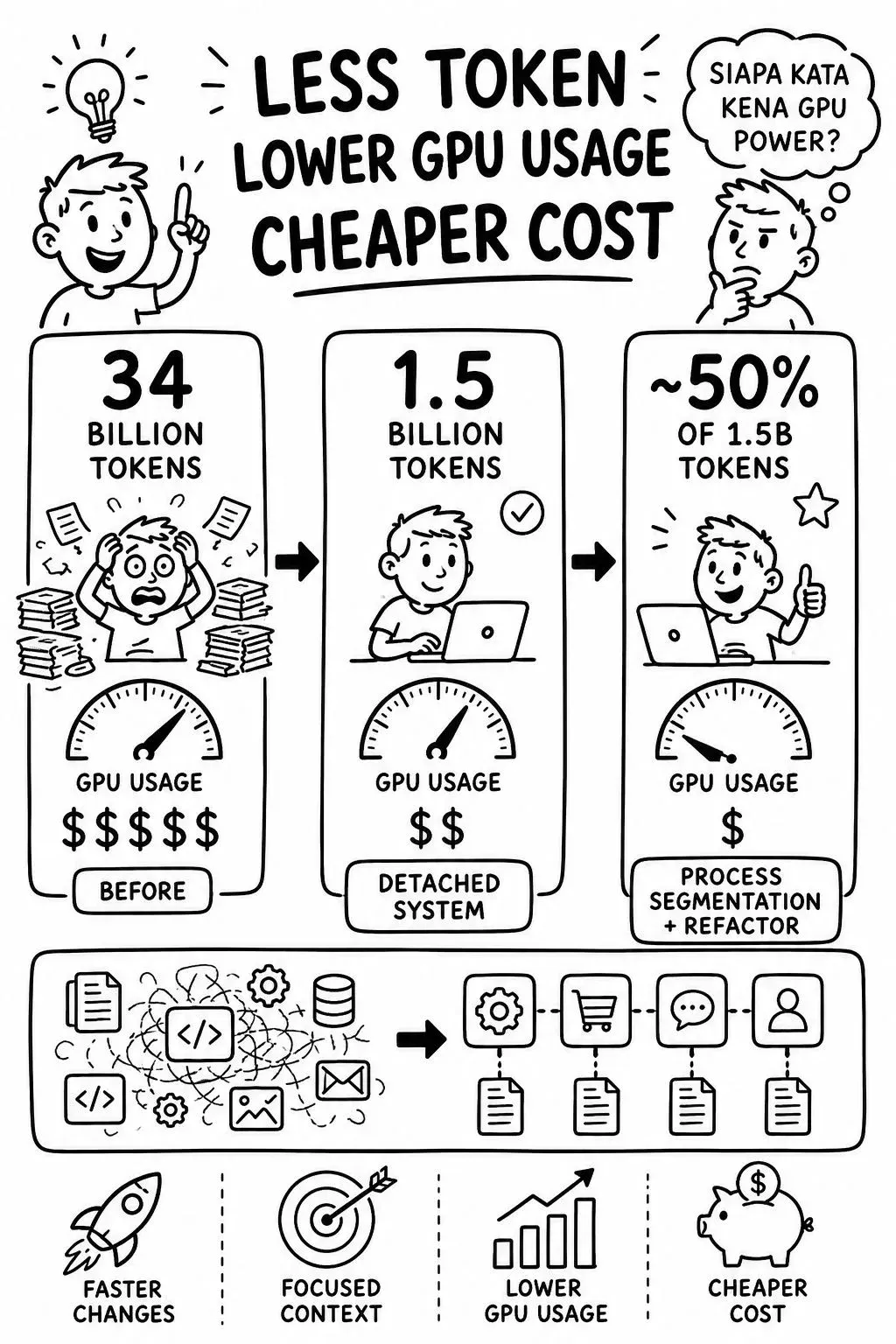
从 an accounting and asset-management standpoint, the first major foundation is a matured 独立系统 running on a LAMP-based architecture. The principle is straightforward capital allocation - not every task needs an LLM. 验证, business rules, reconciliation, workflow control, repetitive logic and many operational decisions can be handled outside the model, preserving cash for decisions that genuinely require intelligence.
In the last six months, while the overall platform is still only partially completed, we have already built approximately 250 分离式系统. The total development cost has been less than USD200, including experimentation, 失败 approaches, repeated testing and many mistakes along the way. In our books, that is a unit cost that makes commercial sense 面向马来西亚中小企业, proving that useful business 系统 do not always require heavy capital expenditure.
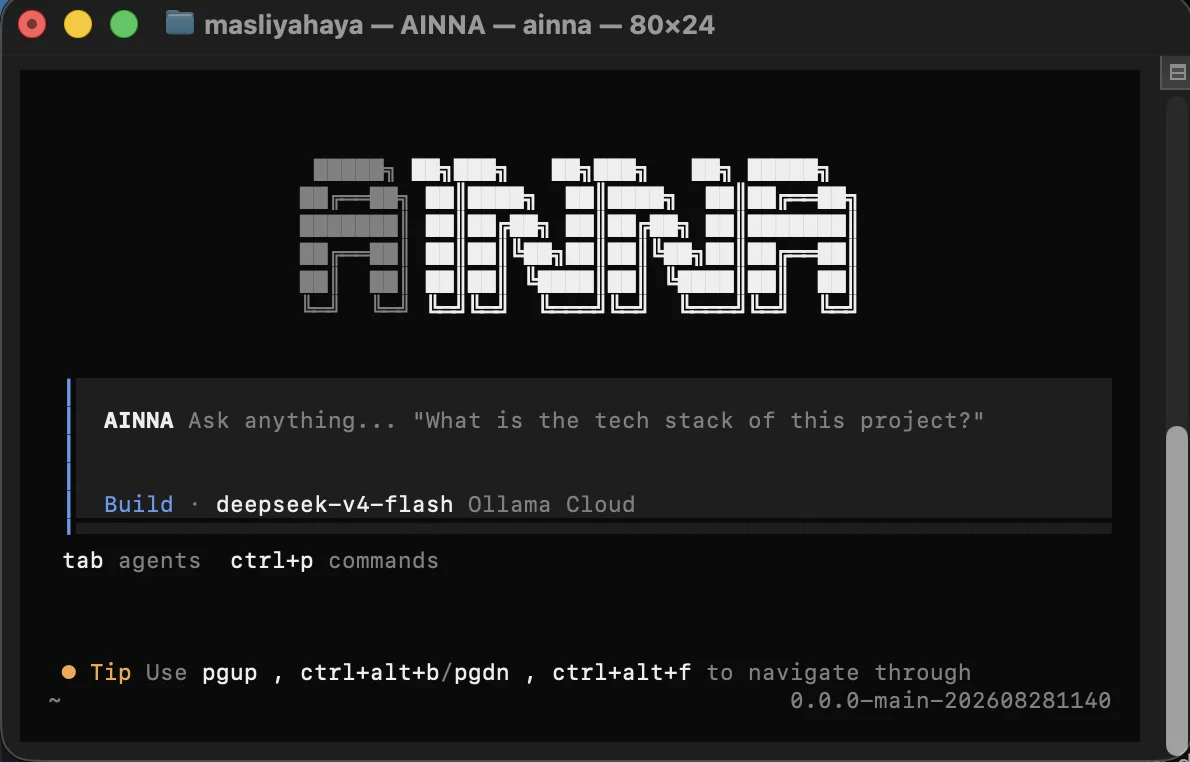
The second layer now in progress is our modded AI agent with 智能路由 capability. Instead of automatically routing every task to the largest model available, the 系统 is being designed to continuously identify the smallest and lowest-cost LLM capable of completing each task reliably. This is essentially dynamic cost optimisation: matching the right asset to the right job.
The logic is straightforward: simple task → small model, difficult task → stronger model, no intelligence required → 独立系统. The 目标 is not merely to reduce token usage, but to make AI infrastructure economically sustainable by allocating compute and model spend only where intelligence is genuinely required.
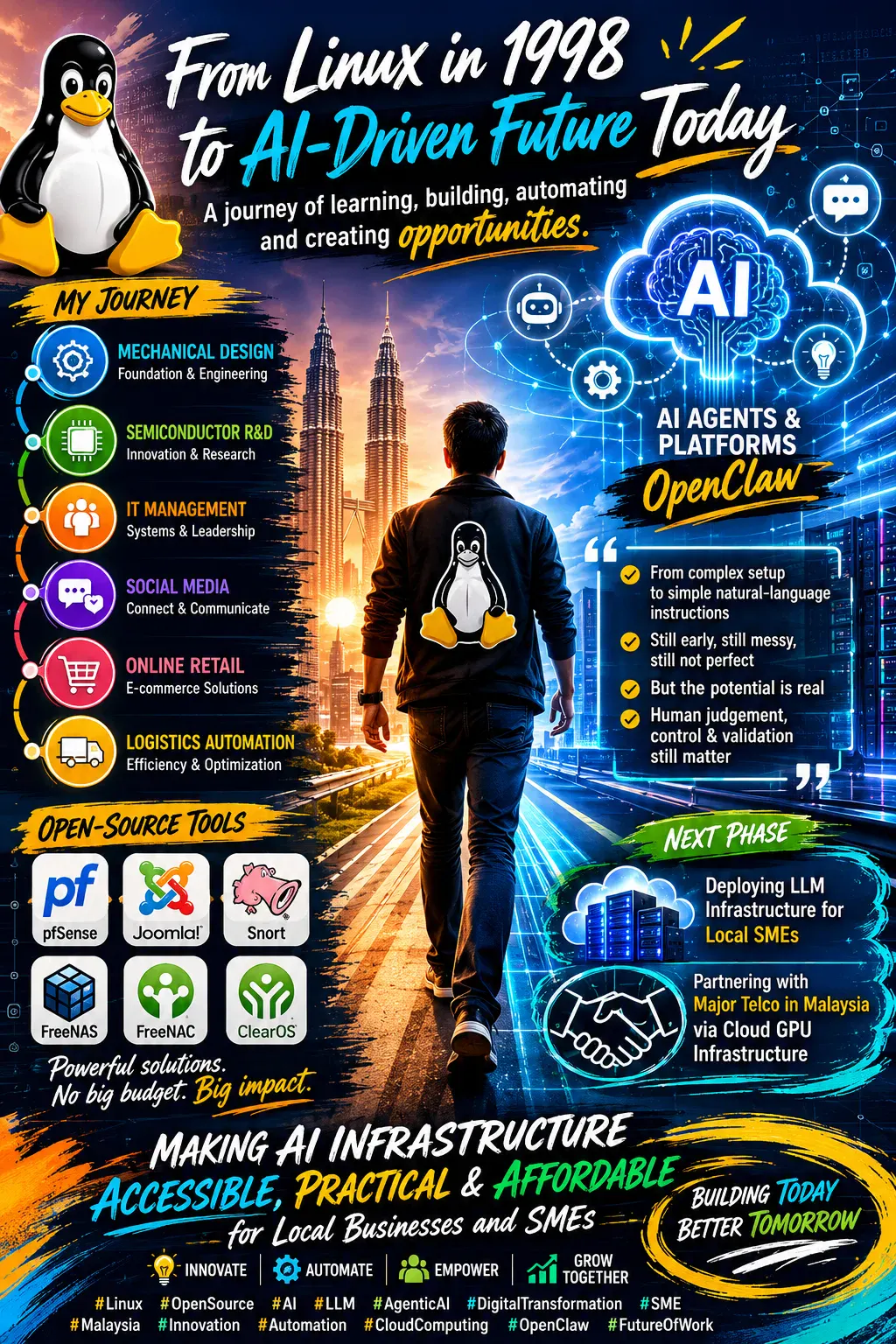
The third layer is our own specialised LLM models, designed specifically to work together with our 分离式系统. We are currently experimenting with 7 open-source LLM models as the foundation for this work. Hugging Face will be part of our technology ecosystem, supporting access to the open-source model ecosystem, datasets, training 工具 and infrastructure. For an 中小企业 budget, open-source foundations reduce licensing drag and keep the balance sheet lighter.
But these three developments are ultimately aimed at something much bigger: lowering the total cost of ownership for business 系统 so that ordinary 中小企业 owners can participate, especially businesses that do not have unlimited funding, GPU capacity, IT teams or technical resources. It is a financing and access question as much as a technology one.
One day, even a makcik selling pisang goreng by the roadside should be able to digitise her operations without hiring an IT department. She should simply be able to say, “Manage my stock, calculate my daily profit, monitor ingredient costs, remember my regular customers and tell me when I need to buy more bananas,” and the agent should help assemble the 系统 behind it. For us in 财务, that means turning everyday business decisions into trackable, auditable records.
Our direction is clear: 独立系统 → 智能路由 → 最低点 Suitable LLM → Specialised Own LLM → AI 辅助 系统 Development for Everyone. Minimum cost is the immediate 目标. 免费 is the dream. We are not trying to build the biggest AI; we are trying to make AI and 系统 development small enough, affordable enough and simple enough that even the smallest 中小企业 can justify it on the 损益表 and build with it.
#AINNA #NeuralOps #HuggingFace #OpenSourceAI #LLM #AI基础设施 #SmartRouting #分离式系统 #中小企业 #SystemDevelopment #自动化













Ruang pembaca
Apa pendapat anda?
Komen disemak sebelum diterbitkan. 电子邮件 diperlukan untuk moderasi dan tidak dipaparkan kepada pembaca.
关于这篇文章这部分写得很扎实,整体也站得住。
如果有更多从 an accounting and asset-management的数据和结果会更完整。
文章对designed specifically to work提供了很好的起点,值得继续跟进。
这篇文章适合团队用来开始讨论preserving cash for decisions。
文章对repeated testing的结论比较平衡,不只是强调好处。
关于supporting access to the open-source的说明很完整,基础部分尤其清楚。
关于repetitive logic的实际落地部分最吸引我。
这篇文章对matching the right asset的解释很清楚,实际操作的重点也很容易理解。