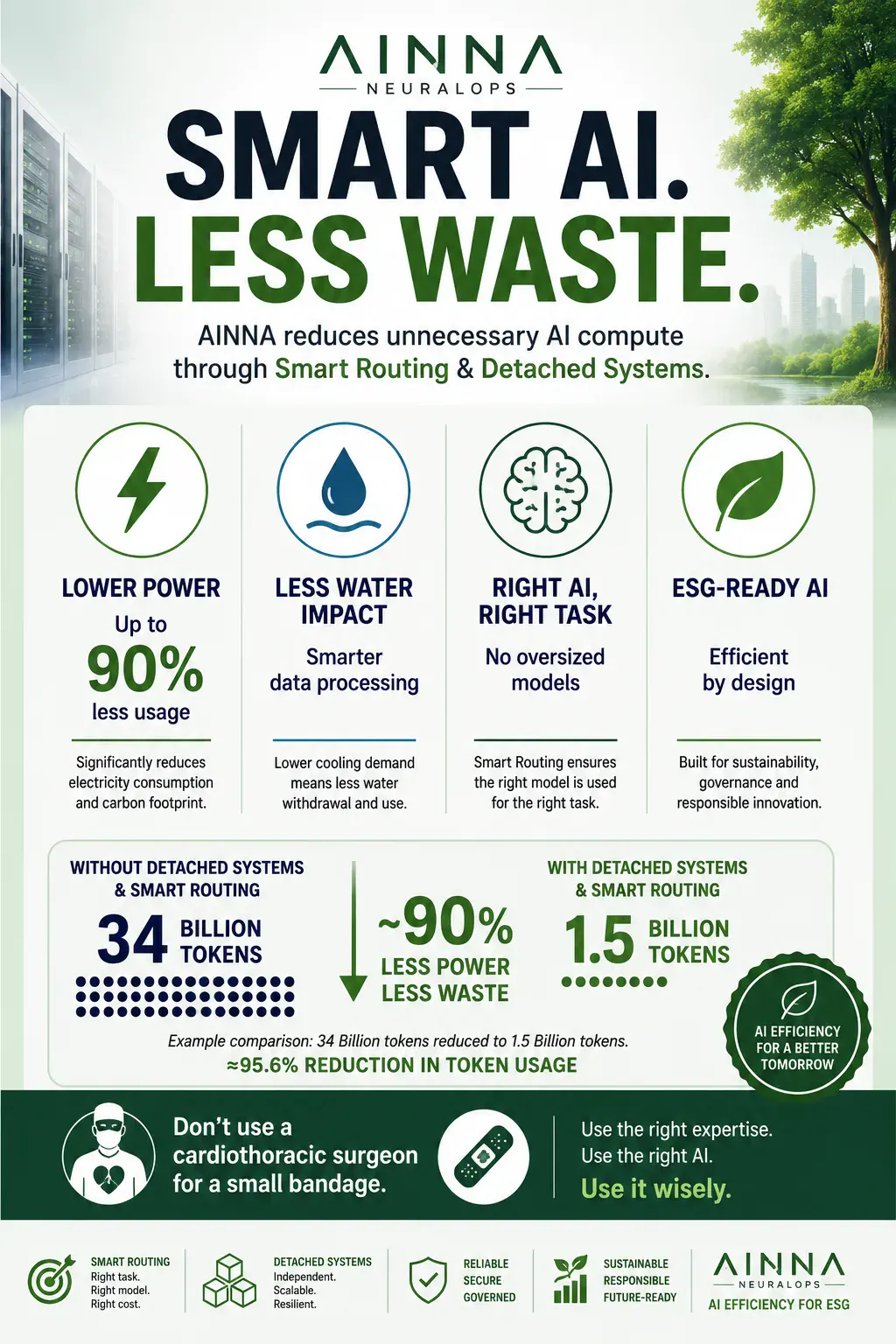
AI should be managed like any controllable operating asset: the level of resource must match the economic substance of the task. I would not assign a statutory audit partner to reconcile a RM50 petty-cash float. Likewise, a 马来西亚n 中小企业 should not pay 企业-grade GPU cycles for a routine classification query.
从 an accounting and treasury perspective, AI is not an off-balance-sheet free resource. The 国际 能源 Agency projects data centre electricity consumption could more than double to around 945 TWh by 2030, largely driven by AI demand. Cooling and operational water use also translate into measurable utility costs and ESG disclosures, which is why major technology companies now report water use, freshwater withdrawal, and replenishment alongside financial KPI. For 马来西亚n 中小企业 facing margin pressure and rising ESG reporting expectations, every wasted kilowatt-hour and litre is a real cost.
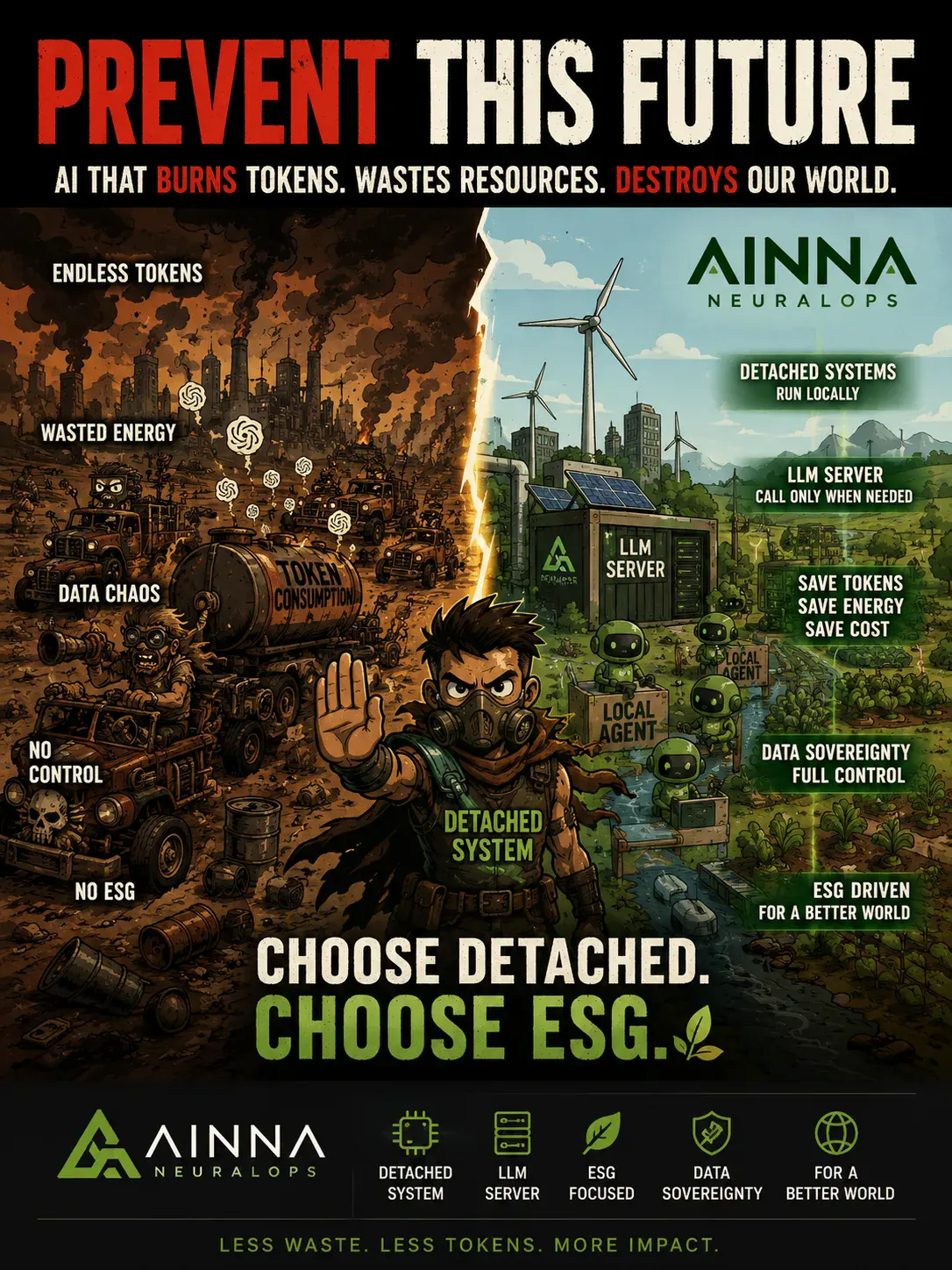
At AINNA, we treat unused compute as unallocated overhead. The cleanest compute is the compute we never waste. Without 分离式系统 and 智能路由, a workload could consume around 34 billion 令牌. With our architecture, the same operational output can be delivered with roughly 1.5 billion 令牌 - a reduction of approximately 95.6% in token usage. That is a directly measurable efficiency gain on the AI line item.
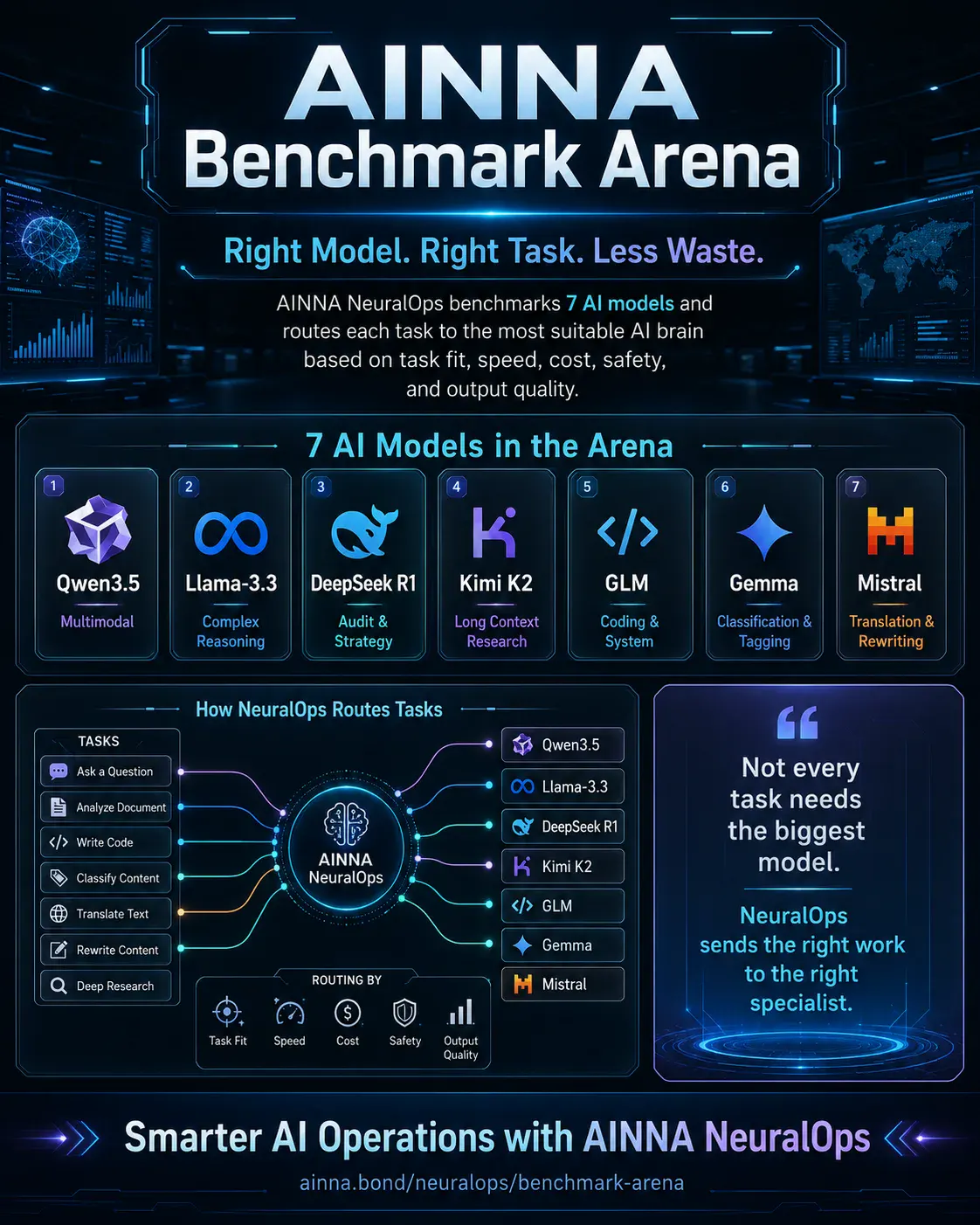
This is why we target around 90% lower power usage as a practical ESG and cost-control direction. Lightweight 系统 handle simple, high-volume tasks. Specialized agents own operational 工作流. 复杂推理 is escalated only when the business case justifies it. We do not deploy a full-scale 系统 for a routine, low-value query.
For 马来西亚n 中小企业, the financial value of AI is not measured by how much intelligence can be switched on, but by how much unnecessary compute can be avoided. Real ESG in AI is not ubiquity; it is disciplined asset utilisation. The right model, at the right cost, for the right outcome - that is how AI becomes a sustainable balance-sheet contributor.














Ruang pembaca
Apa pendapat anda?
Komen disemak sebelum diterbitkan. 电子邮件 diperlukan untuk moderasi dan tidak dipaparkan kepada pembaca.
如果有更多same operational outp 34 billion的数据和结果会更完整。
文章对every wasted kilowatt-hour and litre提供了很好的起点,值得继续跟进。
文章把to reconcile a RM50和日常运营联系起来,这一点很有帮助。
看第二遍才注意到cooling and operational water use的细节。
关于by AI de 2030的说明很完整,基础部分尤其清楚。