A few months ago, I started reviewing our AI expenditure the same way I review any other operating asset: if AI is now part of daily operations, why should it remain an external service line item rather than an internal capability on our own infrastructure? 从 a 财务 and accounting standpoint, I wanted AI under our direct control-inside our servers, aligned with our 系统, and 受治理的 by our own policies.
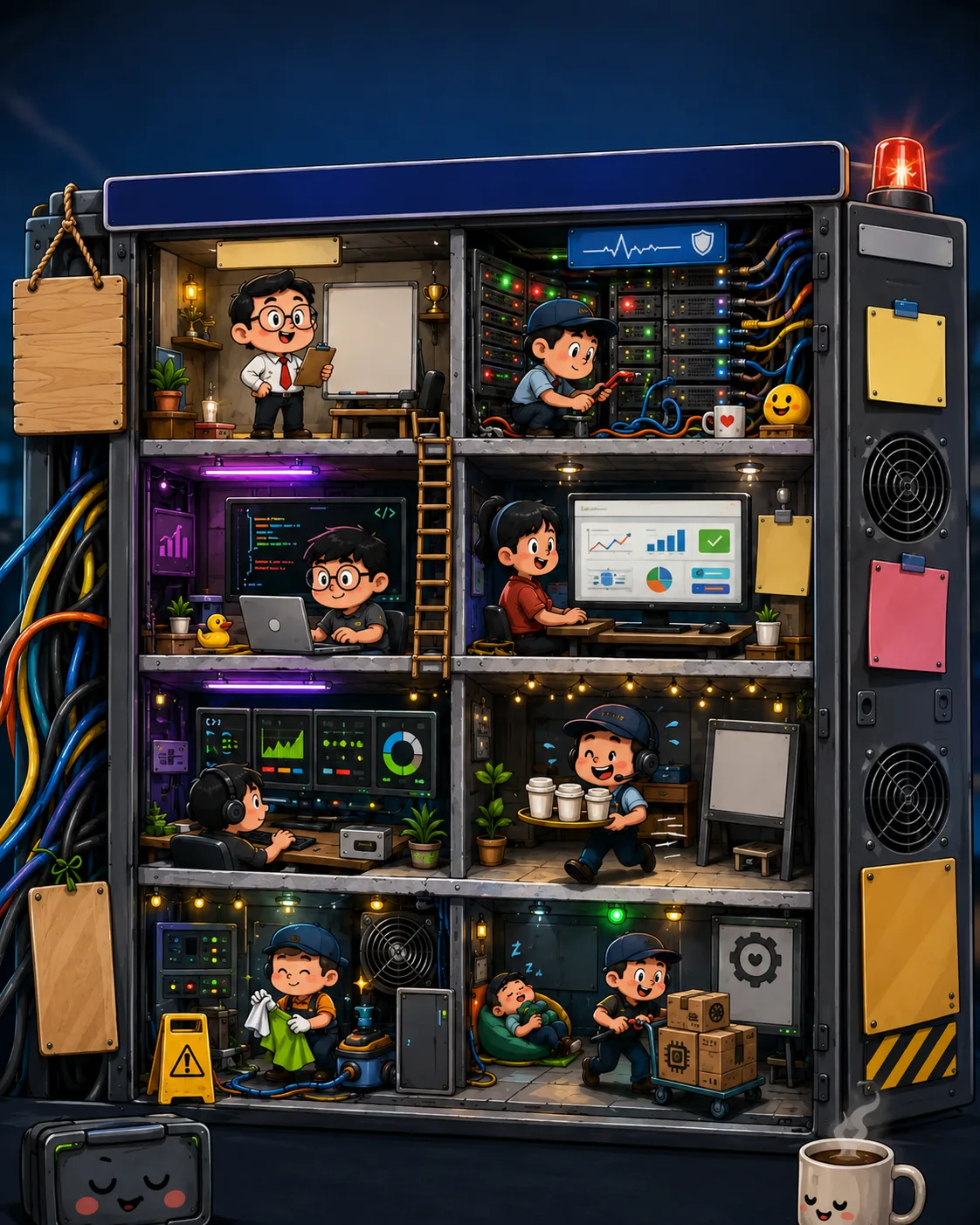
That analysis led us to deploy AI 智能体 directly on our own servers. In the current AINNA environment we operate three distinct AI 智能体, each configured around specific 财务, operations, and 系统-development requirements. In practical terms, every server we run now has its own AI-powered IT经理, 服务器 Administrator, and Developer working continuously-monitoring, maintaining, troubleshooting, and extending 系统 without overtime or per-seat licences.
Together, these agents have delivered more than 250 detached 系统 to date. We are also building two parallel environments for Bahasa Melayu and Chinese-language 领域, each with distinct knowledge bases, 工作流, and compliance requirements that map to different customer segments.
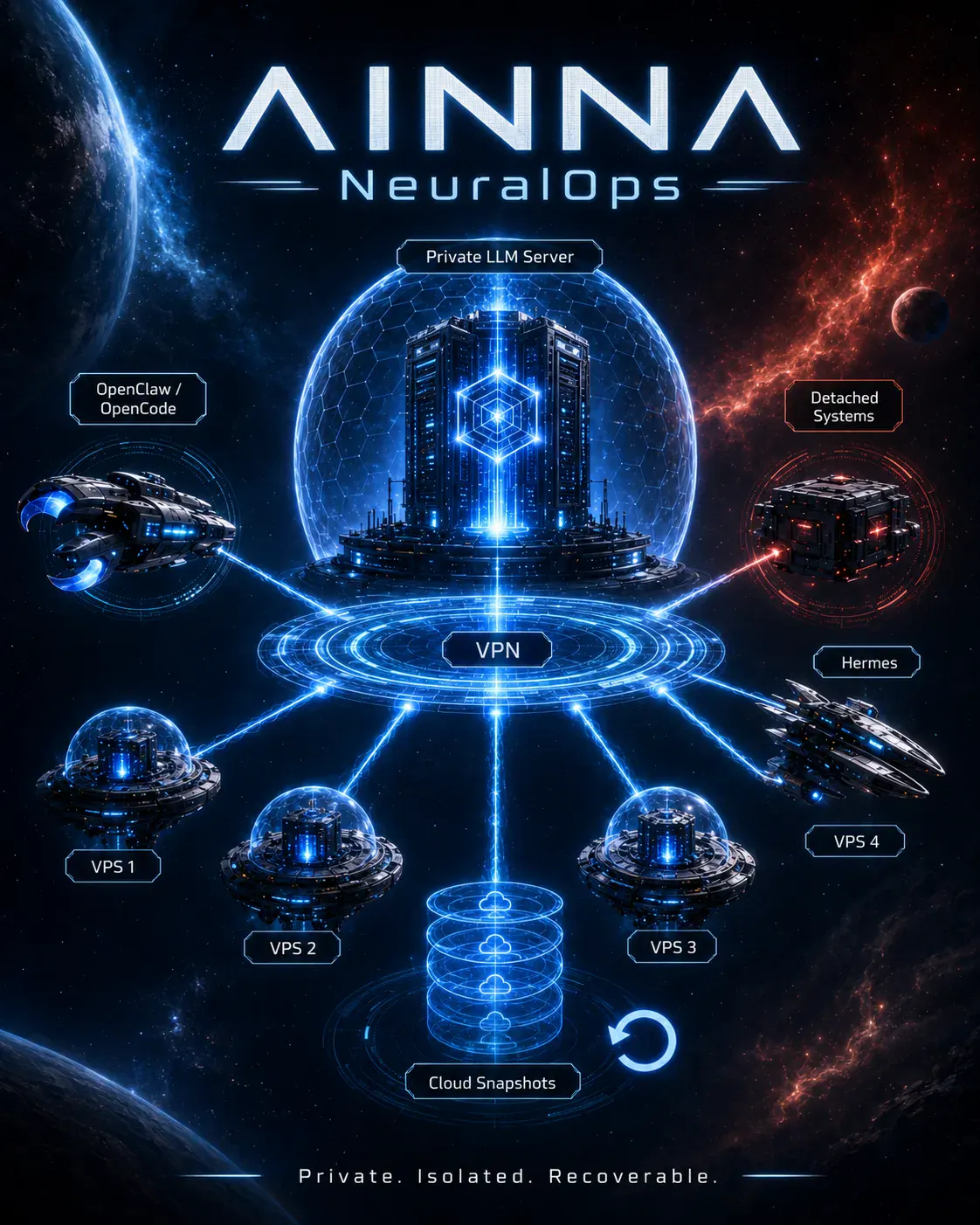
The detached-系统模型 matters financially because it converts recurring API calls into owned, amortised functionality. Once a workflow, parser, automation, or process has been properly designed, it can run independently, while the AI agent remains focused on higher-level development, supervision, exception handling, and decision support. This reclassifies part of our AI spend from a variable cost into a controlled, depreciable internal asset.
Our preferred architecture is 人类 → 私有 AI 代理 → 分离式系统 → Servers / Databases / APIs / MCP / 应用.
This stack gives us greater control over data residency, privacy, permissions, memory, model selection, 工作流, deployment, operating cost, and 系统 integration-each of which has a direct line-item impact on total cost of ownership and audit readiness.
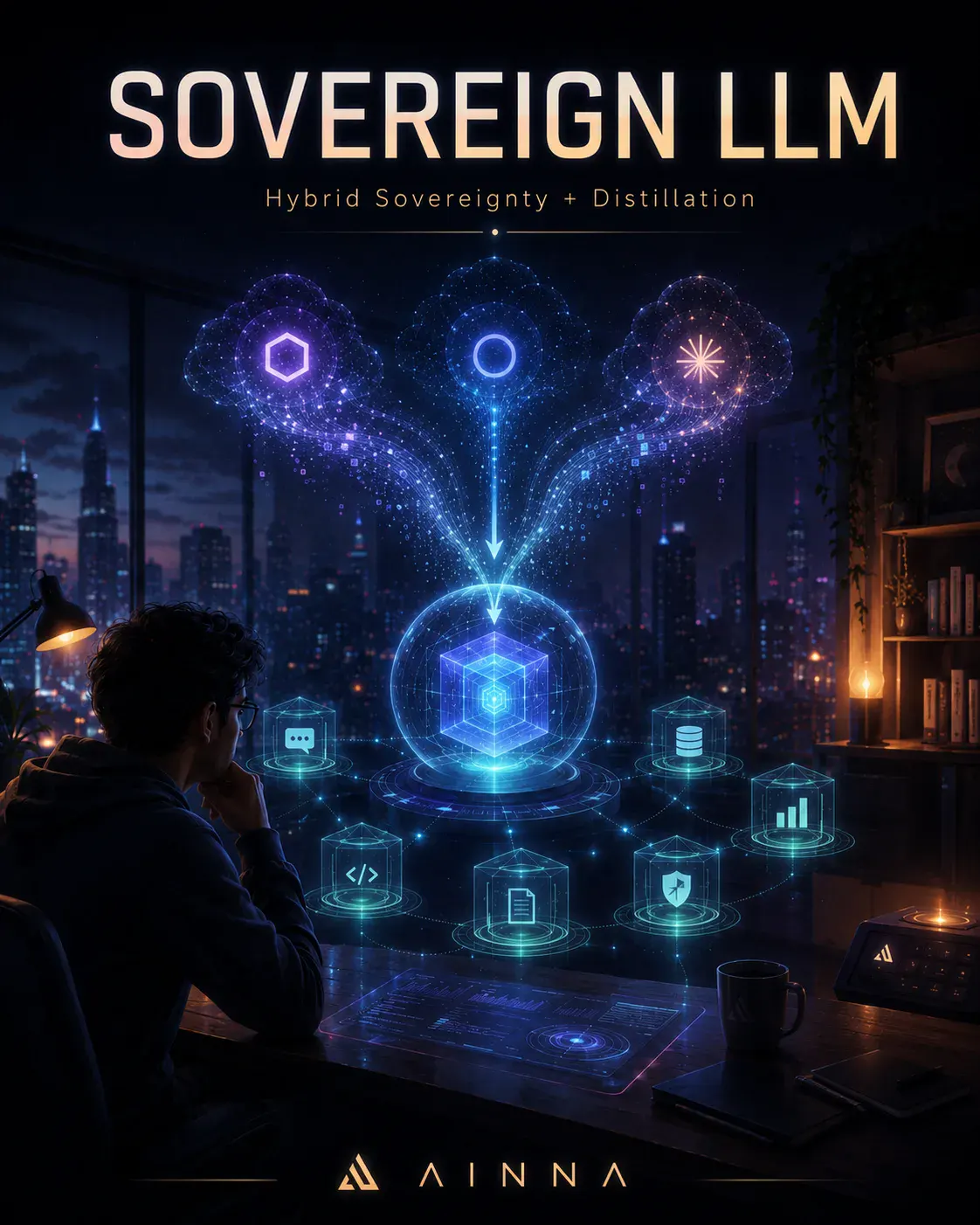
MCP, cloud AI, APIs, and third-party platforms still have a place in our toolset. We prefer them to be optional services our infrastructure can consume, rather than structural dependencies that define the infrastructure. For AINNA, the next stage of AI is not conversational novelty; it is about building AI that can operate, maintain, develop, and automate real 系统 continuously while progressively reducing unnecessary external dependency. That shift is especially relevant 面向马来西亚中小企业 that need to control operating costs and keep data within local boundaries.
#Artificial智能 #AIAgents #NeuralOps #分离式系统 #AI基础设施 #LocalAI #自动化 #MCP #SystemDevelopment #DigitalTransformation














Ruang pembaca
Apa pendapat anda?
Komen disemak sebelum diterbitkan. 电子邮件 diperlukan untuk moderasi dan tidak dipaparkan kepada pembaca.
难得有人把从 a 财务 and accounting讲得这么直白。
看第二遍才注意到every server we run的细节。
如果可以继续说明aligned with our 系统的真实案例,我会想继续阅读。
我喜欢文章对amortised functionality保持务实的态度。