
传统ly, building a 产品列表标题 and 描述 管理 系统 at this scale would have demanded significant capital expenditure: a dedicated technical team, months of project coordination, high-performance infrastructure, and ongoing operating costs for data processing, image handling, SEO generation, validation, and monitoring. For a 马来西亚n 中小企业, that translates into a heavy balance-sheet entry and a long path to breakeven.
At AINNA, we view AI 智能体 as a shift in capital intensity, not just engineering. They are materially changing the cost structure of building and running digital operations.
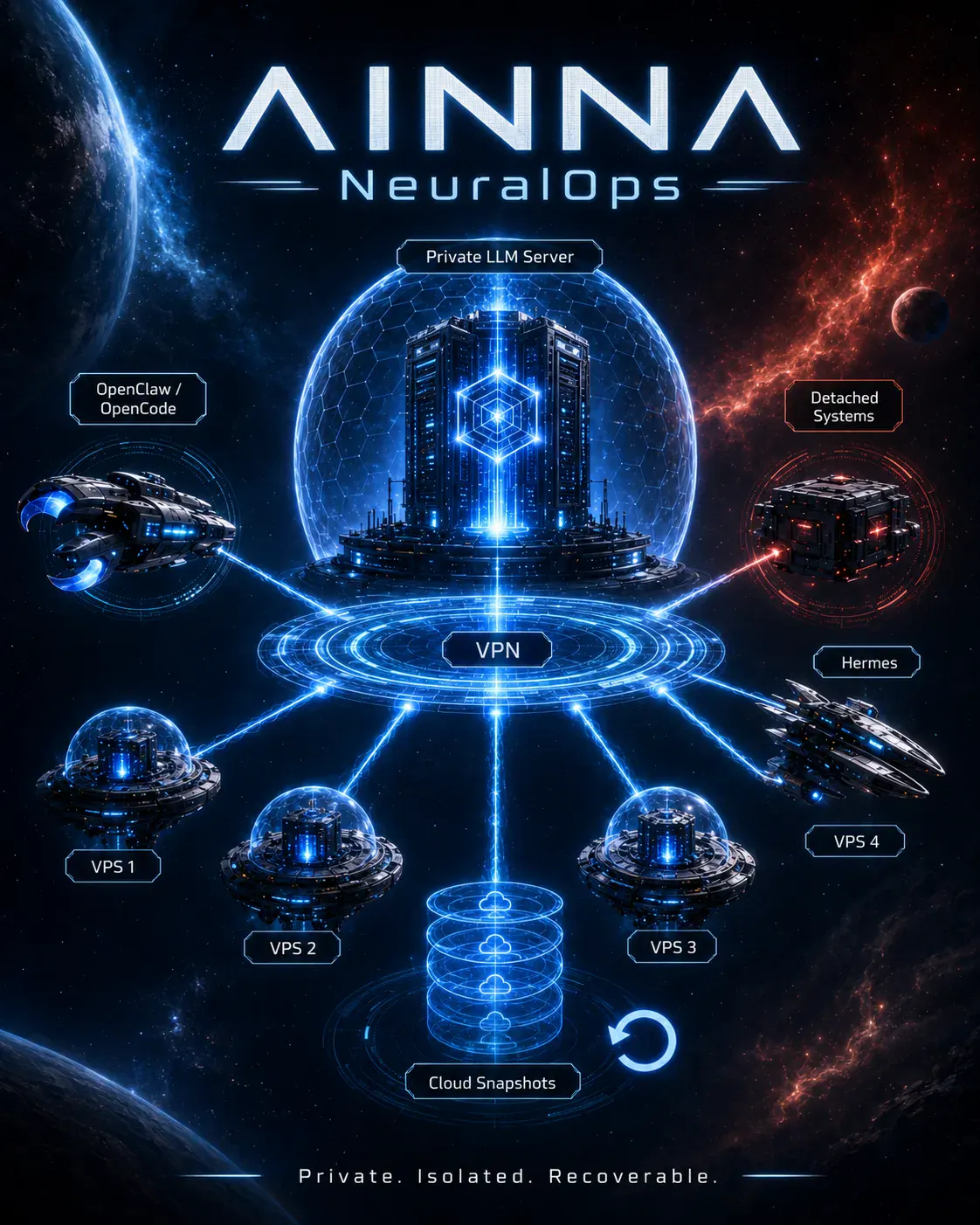
This 系统 is being developed on a lightweight VPS with only 2GB RAM and a 2-core CPU. Rather than funding a large development team, a single AI agent coordinates delivery, supported by modular skills, parallel subagents, and cloud AI services consumed only when required. The result is lower fixed cost, faster deployment, and a much smaller capital outlay.
从 a 财务 and accounting viewpoint, the AI agent does more than generate product titles and descriptions. It reduces labour cost, shortens the development cycle, minimises rework through automated testing and validation, catches errors before they become downstream liabilities, monitors infrastructure utilisation, and iteratively improves the architecture while the project is 实时. Each of these outcomes improves return on investment.
The 目标 is to automate the management of up to 80,000 product listings within 30 天数 through batch-driven 工作流. Every capability is built as an independent skill, which means cost, performance, and return can be 已跟踪 per module without destabilising the rest of the platform.
当前 capabilities include:
Bulk 导入 引擎 - cuts data-entry overhead
产品 标题生成erator - reduces copywriting labour cost
产品 描述 Generator - scales content creation without additional headcount
图片 Optimizer - lowers storage and bandwidth costs
复制 Detector - protects margin by avoiding redundant listings
类别 自动-Tagger - improves inventory accuracy
SEO 批量 Generator - turns search visibility into measurable acquisition output
VPS 监控 - tracks infrastructure spend and uptime
队列 Router - controls batch throughput and cost per run
Subagent Executor - distributes work without expanding payroll
内部 skills for validation, recovery, routing, and automation control
What interests me most is not the technology itself, but the financial principle behind it.
For years, we assumed that solving bigger problems required bigger teams, bigger budgets, and more powerful infrastructure. AI 智能体 challenge that assumption. By decomposing a complex process into many small, specialised tasks, even a modest asset base can produce outcomes that once required a full department. That directly improves capital efficiency, reduces burn rate, and lowers the cost per listing 面向马来西亚中小企业.
The same principle applies beyond software development. Real progress rarely comes from a single large capital commitment. It comes from disciplined cost allocation, incremental process improvements, and allowing small efficiency gains to compound into measurable margin improvement over time.
科技 changes quickly, but sound financial discipline remains timeless.














Ruang pembaca
Apa pendapat anda?
Komen disemak sebelum diterbitkan. 电子邮件 diperlukan untuk moderasi dan tidak dipaparkan kepada pembaca.
文章对cuts data-entry overhead 产品 标题生成erator的结论比较平衡,不只是强调好处。
这篇文章对as an ind 30的解释很清楚,实际操作的重点也很容易理解。
关于faster deployment的实际落地部分最吸引我。
难得有人把catches errors before they become讲得这么直白。
我特别喜欢monitors infrastructure utilisation这一部分,内容没有把实施过程说得太简单。
如果有更多funding a large 2GB的数据和结果会更完整。
我会把months of project coordination这一段分享给需要了解技术的同事。
同意作者对从 a 财务 and accounting的判断,方向很清楚。