Over the past few 天数, I’ve spoken with several SME founders about 损益表, 资产负债表, and LHDN readiness. Most agree financial reporting needs to improve.
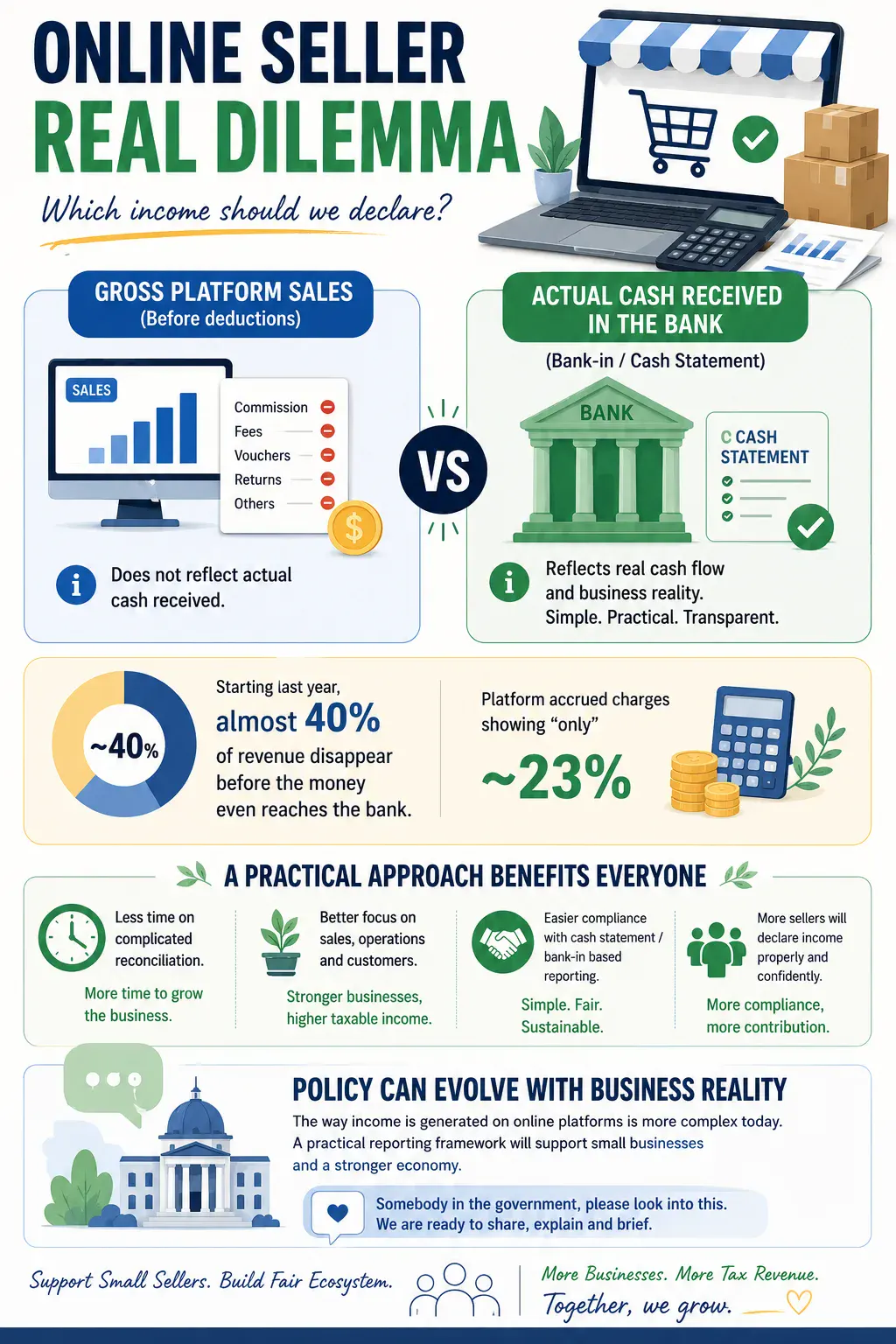
But many SMEs that have operated for years still have only one consistent financial record: their bank statements.
Debtor records may be incomplete. Creditor records may be missing. Fixed assets and inventory may never have been properly reconciled.
Accrual accounting is clearly the destination. But for SMEs rebuilding their accounts, cash records can be the most practical starting point.
One founder shared that during an LHDN audit, he was not penalised simply because his records were not yet fully accrual-based. Instead, some expenses were reassessed because of incorrect classification or tax treatment.
That distinction matters. 不完整 financial records are not the same as hiding income or avoiding tax.
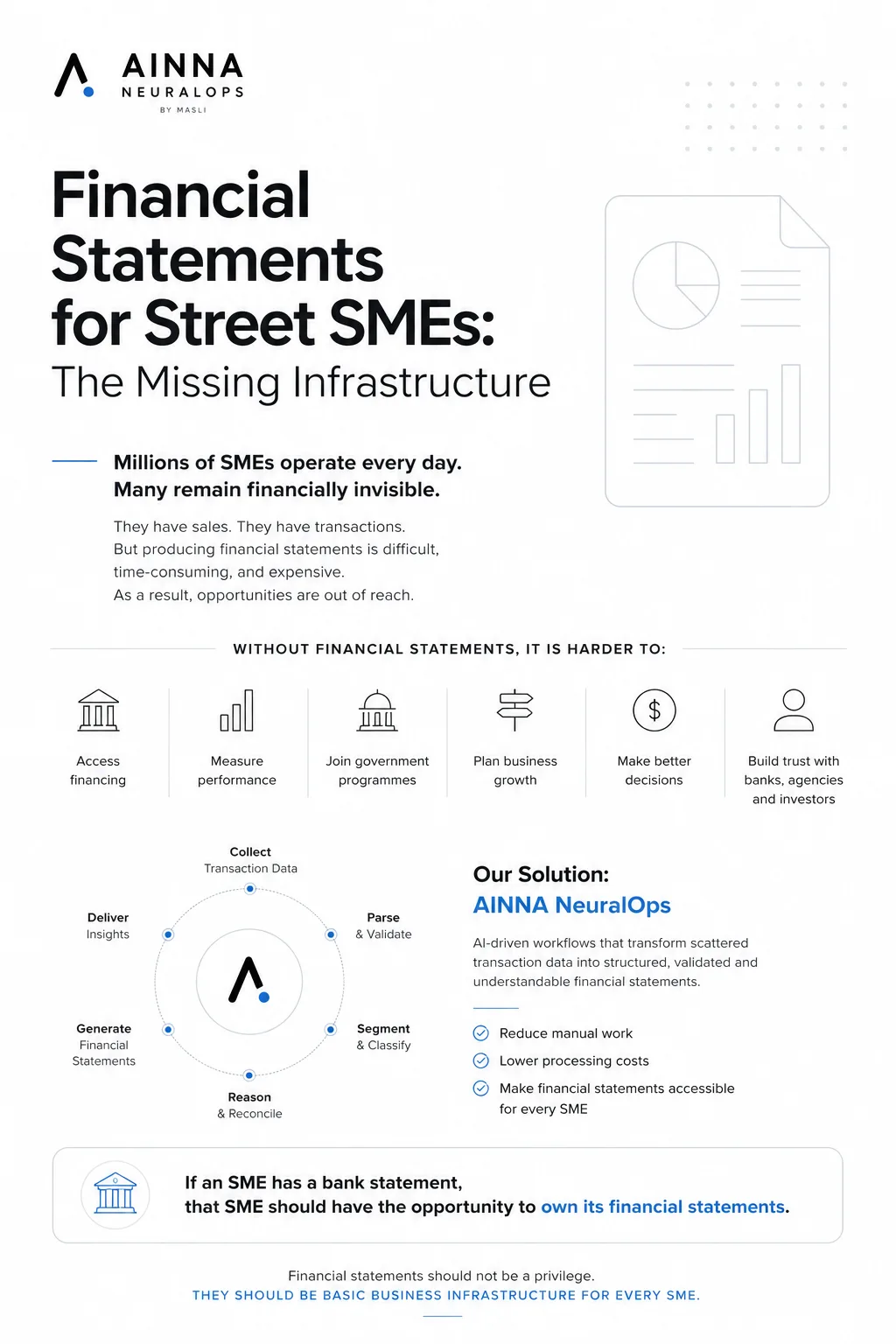
A practical journey could be: 银行 Statement → 清理 现金 Ledger → 现金-Based 损益表 → Accrual Adjustments → 损益表 + 资产负债表. This is where AI and automation can help reconstruct financial data faster and more systematically.
My principle: 现金 首先. Accrual as the Destination. 合规 Throughout. 科技 should help SMEs start with what they already have and move progressively toward better financial reporting. #SME #会计 #LHDN #AI #自动化 #FinancialStatements #MalaysiaSME #NeuralOps